SAN JOSE — After watching a beloved former East San Jose youth center burn down in the dark morning hours nearly a year ago, advocates successfully lobbied the Alum Rock Unified School Board to agree to work with them to rebuild it.
Read more SF Giants’ Webb, Lee reinstated from injured list
“We’re here. We’re finally here,” Victor Vasquez, co-executive director of neighborhood advocacy organization SOMOS Mayfair, said outside district offices Thursday evening. “We are starting a new chapter, where we believe that youth deserve better than they’re getting now.”
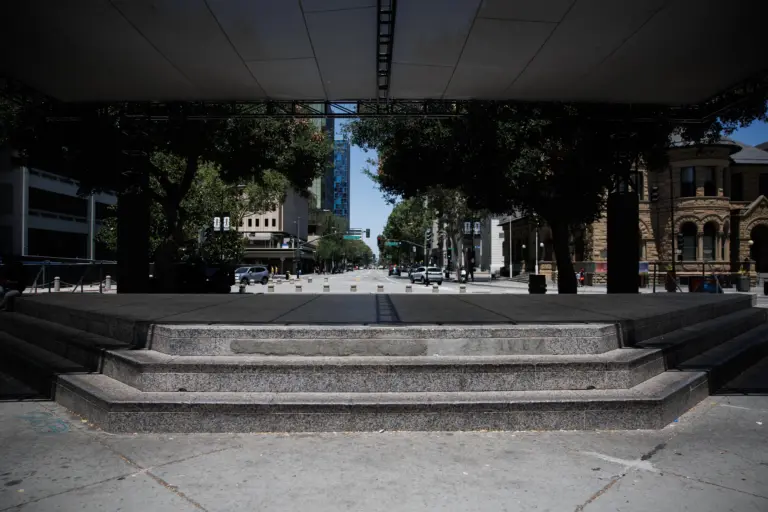
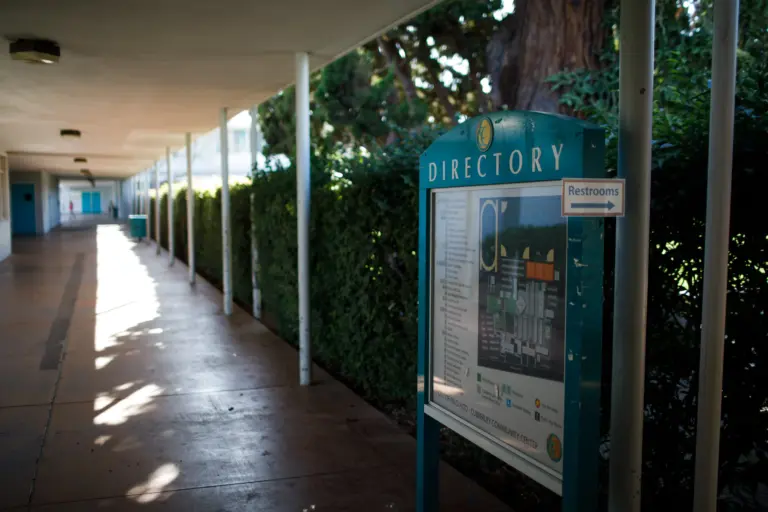
The Mexican American Community Services Agency (MACSA) building, which sat closed and blighted for more than a decade, erupted in a blaze around 1 a.m. Aug. 29, 2025. It was reduced to rubble.
Advocates with Mexican Heritage Plaza, SOMOS Mayfair, and Si Se Puede Collective watched the building burn and wept. For years, they tried to get the district to preserve and reopen the center. A month after the fire, the district demolished what was left.
Alum Rock school board officials Thursday gave the advocates 540 days to figure out how to design, fund, and build a new youth center and gymnasium at the former MACSA site.
“Despite how the meeting kind of looked at the end, at the end of the day we’ve got four board members that said, ‘We want to see this happen and we’re going to try,’” Vasquez told this news organization. “We feel like we’ve got the first step.”
MACSA, which had a gymnasium, previously provided classes for youth, after-school programs, gang violence prevention, a community health clinic, and immigration services to residents during its peak in the 1990s and 2000s. It was adorned with indigenous Mexican and Meso-American architecture and art that reflected the predominantly immigrant and Latino neighborhoods nearby.
Advocates, citing recent school closures and rising costs of living, argue that East San Jose residents now need another centralized hub for community services at the former site.
The board voted 4-1 to approve the new agreement, which temporarily gives the advocates exclusive negotiating rights with the district on MACSA’s future.
“As much as this sounds like a hypothetical, really nice movement, vision and dream, that money is not there right now because I know that you have to secure all of the money,” Board President Linda Chavez said Thursday night before casting her lone opposition vote. “At this time, it’s a beautiful plan. But because the money right now isn’t there, it changes things.”
Read more Endorsement: Elect Jim Irizarry to lead San Mateo County Assessor Office
Vasquez said Chavez was the only board member to not meet with his organization to discuss MACSA’s future prior to Thursday’s meeting. He said Chavez voted based on what he called “misconceptions” about the project, and the advocates’ ability to fund it.
Vasquez said the exclusive agreement will allow them to start opening doors to fundraising opportunities, which he said was important for its potential success. He estimated a full rebuild and the cost to operate could be between $25 to $30 million.
“But that money is not going to flow in officially until we have the board say, ‘Here’s a 50 year lease, here’s a 100-year lease,’” he said. “Nobody’s going to give you $30 million without securing a place.”
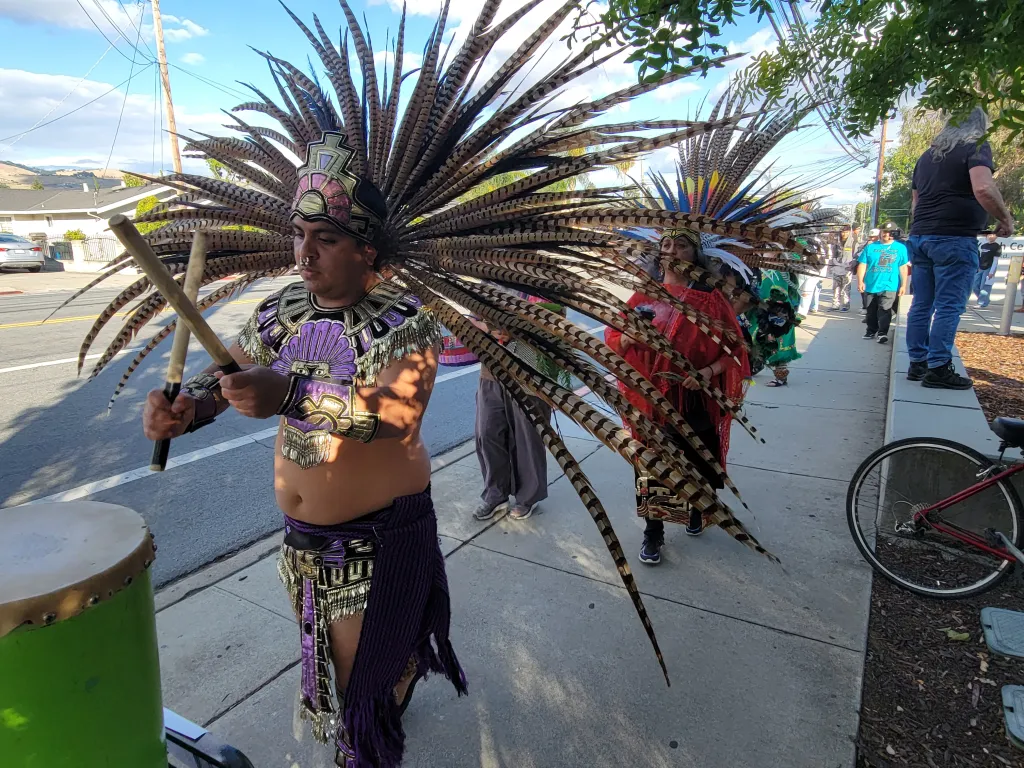
Prior to the meeting, dancers in Indigenous garments blessed organizers and local students, who led a procession from the nearby Alum Rock Youth Center on White Road to the district’s offices around the corner.
A San Jose artist, Alfonso Enrique Salazar, carried a small art sculpture titled “We Will Find A Way” to the meeting, which depicted a hummingbird, a flower, and MACSA’s former arches, which were stylistically built to resemble early Meso-American architecture.
San Jose City Councilman Peter Ortiz, a vocal supporter of the campaign to rebuild MACSA, walked in the procession. He told this news organization that the board’s decision Thursday was “crucial” to the project’s success.
In 2025, Ortiz helped secure $500,000 in grant funding to rehabilitate the former MACSA facility. Ortiz said the city could potentially allocate more funding to rebuild it in the future, especially with more commitments from the district.
“It’s up to our local government to build up our Latino community, to build up our immigrant community,” Ortiz said. “You can see the MACSA vision is clearly still needed.”
Read more San Jose man gets 25 years to life for 2020 murder of infant daughter
About the Author