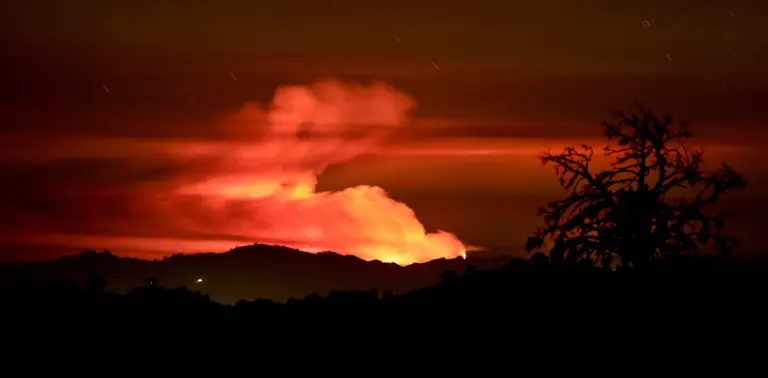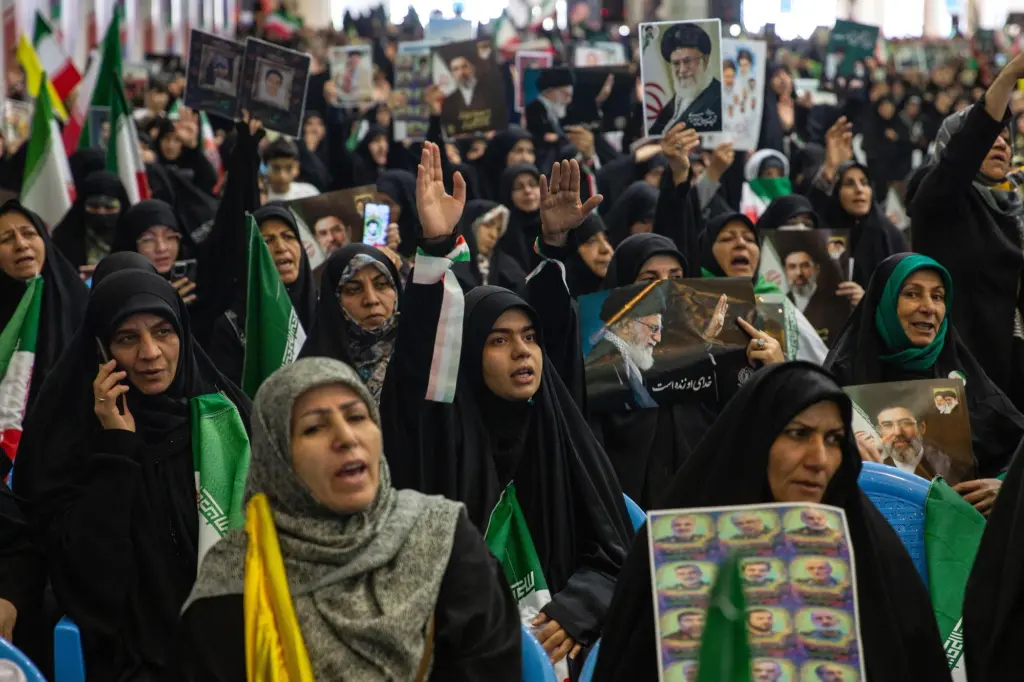
Hours after Iranian negotiators arrived in Qatar for talks on ending the war, U.S. forces struck missile launch sites in Iran and boats trying to emplace mines, U.S. officials said Monday night.
Read more The wait is over: Valkyries 2025 first-round pick Justė Jocytė joins team after year overseas
U.S. Central Command characterized the strikes in southern Iran as defensive and said they had been intended “to protect our troops from threats posed by Iranian forces.”
“Central Command continues to defend our forces while using restraint during the ongoing cease-fire,” Capt. Tim Hawkins, a Central Command spokesperson, said in a statement.
The strikes came on a day when Israel signaled that it planned to intensify its fight against the Iranian-backed militant group Hezbollah in Lebanon.
With the two conflicts closely intertwined, escalation in the fighting in Lebanon might make it still harder for negotiators to reach a peace deal. Iran has said that any agreement should cover both the war with the United States and Israel, and the Israeli conflict with Hezbollah.
On Monday evening, after vowing that any agreement reached would be “great and meaningful” or “there will be no deal,” President Donald Trump said he expected Iran either to turn its enriched uranium over to the United States or to destroy it in front of neutral witnesses.
It is unclear if Iran has agreed to this, though a senior U.S. official told reporters Sunday that the Iranians had, in principle, committed to giving up stockpiles of enriched uranium. On Monday, Esmaeil Baghaei, Iranian foreign ministry spokesperson, said Iran was not discussing details of its nuclear program.
The fate of Iran’s nuclear program was just one critical aspect of a potential peace deal that remained unclear Monday. So was the status of Iran’s stockpile of missiles. It was also unclear how an agreement might address Iranian attempts to assert control over the Strait of Hormuz, a waterway vital to world commerce.
Though Trump has at various times said a deal was close, he also said that his negotiators were in no rush to close the agreement.
Iran likewise poured cold water on hopes for an imminent deal to end the war and reopen the strait, which Iran has blockaded since the United States and Israel attacked in late February. The blockade has throttled global oil and gas supplies.
Read more Houston Astros starter Tatsuya Imai and 2 relievers throw combined no-hitter against Texas Rangers
“It is true that we have reached conclusions on a large portion of the issues, but no one can claim that the signing of an agreement is imminent,” Baghaei said Monday, according to Iran’s state broadcaster.
Trump has also called on countries such as Qatar and Saudi Arabia to sign on to the Abraham Accords to normalize ties with Israel as part of the initial agreement — to which they are highly unlikely to agree. If more countries sign up to the accords, it could placate some Iran hawks in the Republican Party who have expressed misgivings about the potential deal.
Mohammad Bagher Qalibaf, speaker of Iran’s parliament, led his country’s delegation in the Qatari capital of Doha, according to Iranian state media. According to two diplomats, the delegation arrived Monday and also included Abbas Araghchi, Iran’s foreign minister.
Ending the U.S.-Israeli campaign against Iran would allow Trump to extricate himself from an unpopular war that has battered the global economy.
Speaking at a Memorial Day observance at Arlington National Cemetery on Monday, Trump paid tribute to the 13 U.S. service members killed in the war with Iran, saying: “These incredible men and women gave their lives to ensure that the world’s No. 1 state sponsor of terror will never have a nuclear weapon. Oh, and they won’t. They will never have a nuclear weapon.”
Here’s what else we’re covering:
— Oil markets: Oil prices fell sharply Monday, with Brent crude, the global benchmark, settling for the day below $94 a barrel, down 6.5%. The price of oil remains around 30% higher than it was before the war.
— Strait of Hormuz: Even if an agreement between the United States and Iran is reached, the flow of oil and gas from the Middle East could take months to return to normal.
— Israel’s reaction: In Israel, talk of a potential deal was received with concern, with some politicians warning it would fail to constrain Iran’s nuclear capabilities.
— Global diplomacy: The senior leaders of Pakistan, which has been brokering the talks between the United States and Iran, visited China on Monday. China has close commercial ties with Iran and is the biggest buyer of Iranian oil. Shehbaz Sharif, the Pakistani prime minister, posted on social media that he and other top officials had met with Xi Jinping, the Chinese leader, and discussed the peace talks.
Read more Valkyries instant analysis: Juste Jocyte debuts in blowout victory over Sun
This article originally appeared in The New York Times.
About the Author