SAN JOSE — A few weeks ahead of the anticipated trial start, a Santa Clara County judge paused proceedings for the second murder and kidnapping trial of Antolin Garcia Torres in the 2012 disappearance of Sierra LaMar.
Superior Court Judge Brian Buckelew made the decision Monday morning during what was supposed to be a hearing in which he laid out a series of pretrial rulings to set the stage for a trial opening aimed for the first week of October. The case returns to court Thursday, possibly with a decision by Buckelew on whether he intends to stay on.
Deputy Alternate Defender Al Lopez — who represented Garcia Torres in the original 2017 murder trial — argued the judge was consistently biased in favor of the prosecution, including lagging decisions on defense motions. Lead prosecutor O’Bryan Kenney dismissed Lopez’s arguments as conflating unfavorable rulings with bias.
“Mr. Garcia Torres was in custody for 14 years, and was denied a fair trial the first time around,” Lopez told Buckelew. “We want to get it right this time.”
Buckelew initially rebuffed Lopez’s criticisms of being slow to rule on defense motions.
“I’m unclear why you think it’s improper for the court to take a step back and consider your client’s important rights,” he said.
Buckelew also alluded to multiple rulings he had planned to issue Monday siding with Lopez. After a short recess, Buckelew indicated he was going to evaluate the recusal issue in as “expeditious a manner as possible.”
Before he paused the case, Buckelew gave an important tentative ruling, indicating he was inclined against permitting the District Attorney’s Office to use the Pennsylvania-based DNA data firm Cybergenetics for consultation and potential DNA analysis.
The defense raised confidentiality and fairness concerns given the alternate defender’s office’s past consultation with the vendor. Prosecutors previously told the judge Cybergenetics was the only firm that could perform the work they needed within the tight timeline of the trial, which is currently estimated to last from October through the end of November.
The planned retrial was spurred by an appellate court decision earlier this year that overturned Garcia Torres’ murder and kidnapping convictions on the grounds his 2017 murder trial was improperly consolidated with three prior attempted kidnapping allegations. The error, the appellate justices found, tainted the jury’s guilty verdict in 15-year-old Sierra’s presumed death – her body has never been recovered.
Read more Son not charged in fatal Castro Valley stabbing of father
Garcia Torres is currently being held at the county Main Jail after being transferred over the summer from state prison, where he had been serving a term of life without the possibility of parole. He was in court Monday, taking notes and occasionally consulting with his defense attorneys, Lopez and deputy alternate defender Mishya Singh.
The initial phases of jury selection began late last month. Jurors are expected to be empaneled, followed by opening statements and testimony, sometime in the first week of October. Judge Buckelew has set a prospective timeline that could see the trial conclude by Thanksgiving.
The murder allegations outlined by the DA’s Office — led by prosecutors Kenney and Sheryl Leung — largely retrace the original case that centered on Garcia Torres’ DNA being found on Sierra’s pants in a field near where she was last seen, and her DNA being found in his car, including a strand of her hair intertwined with a piece of rope in the trunk.
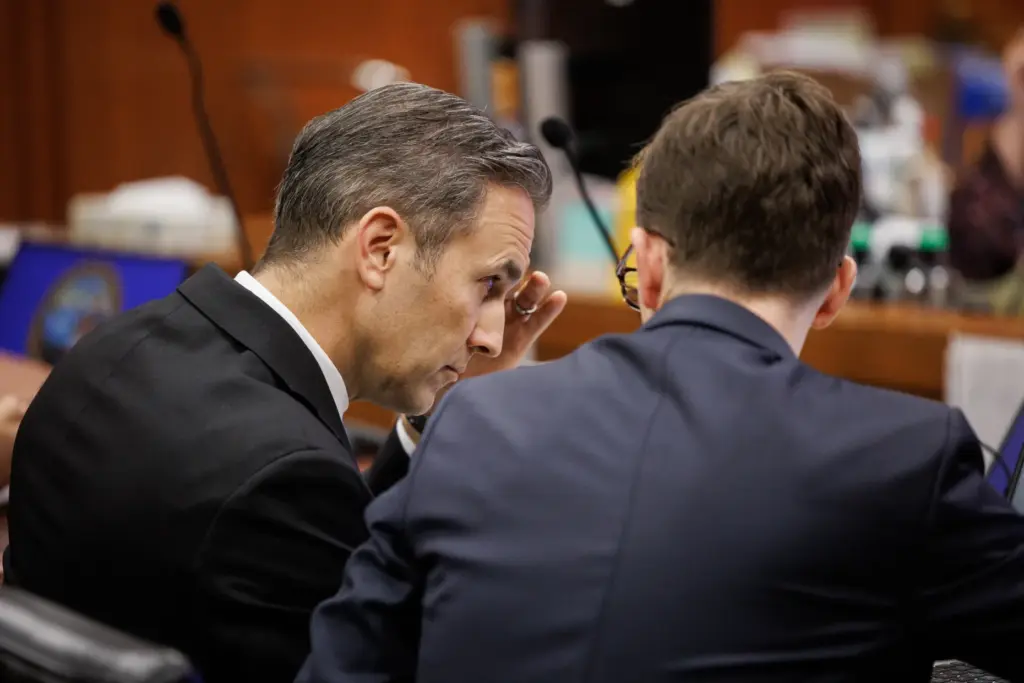 Deputy District Attorney O’Bryan Kenney, left, appears during a hearing for Antolin Garcia Torres, who is being tried for murder for a second time in the 2012 presumed kidnapping and death of Sierra LaMar, at the Hall of Justice in San Jose, Calif., on Monday, Sept. 21, 2026. (Dai Sugano/Bay Area News Group)
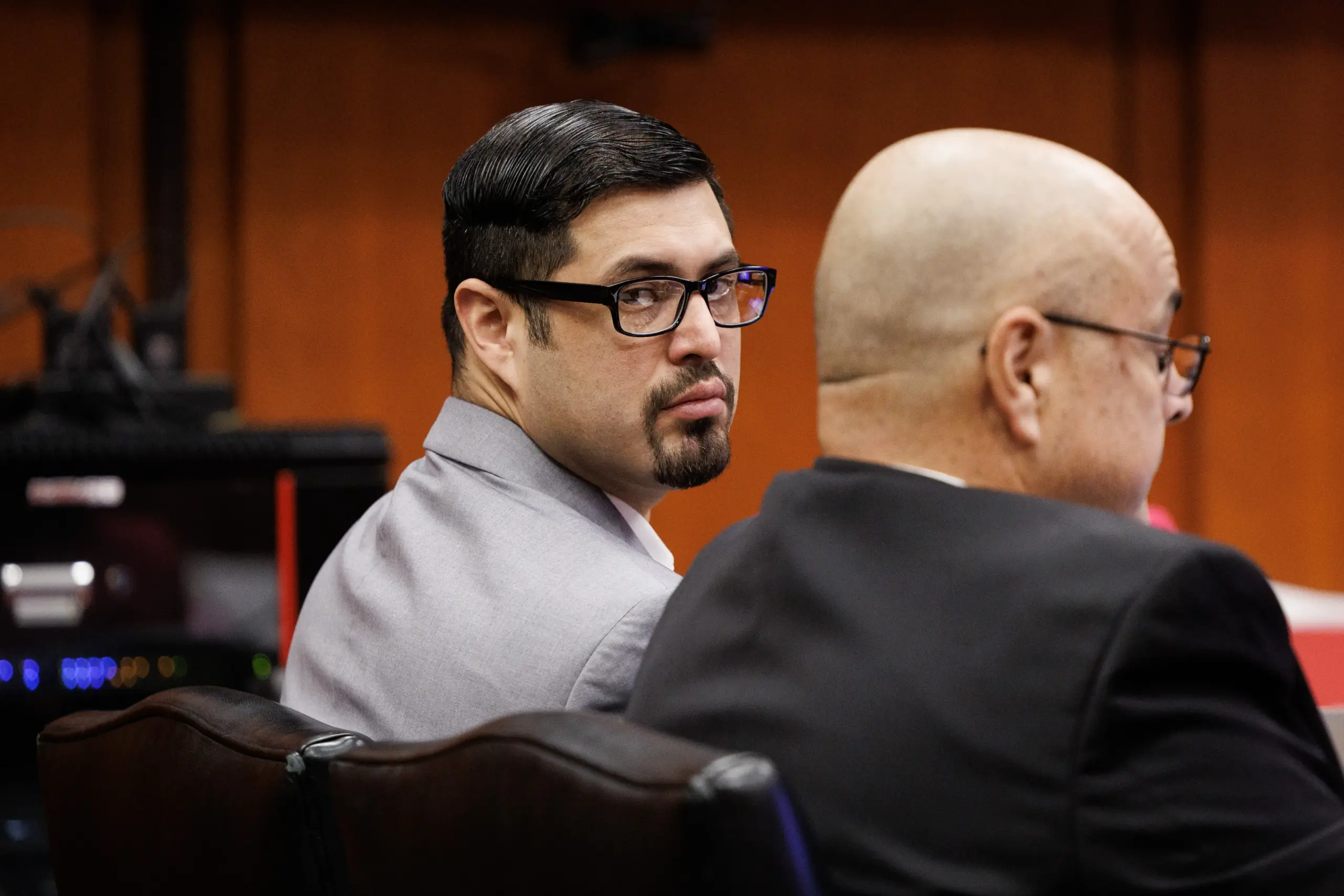
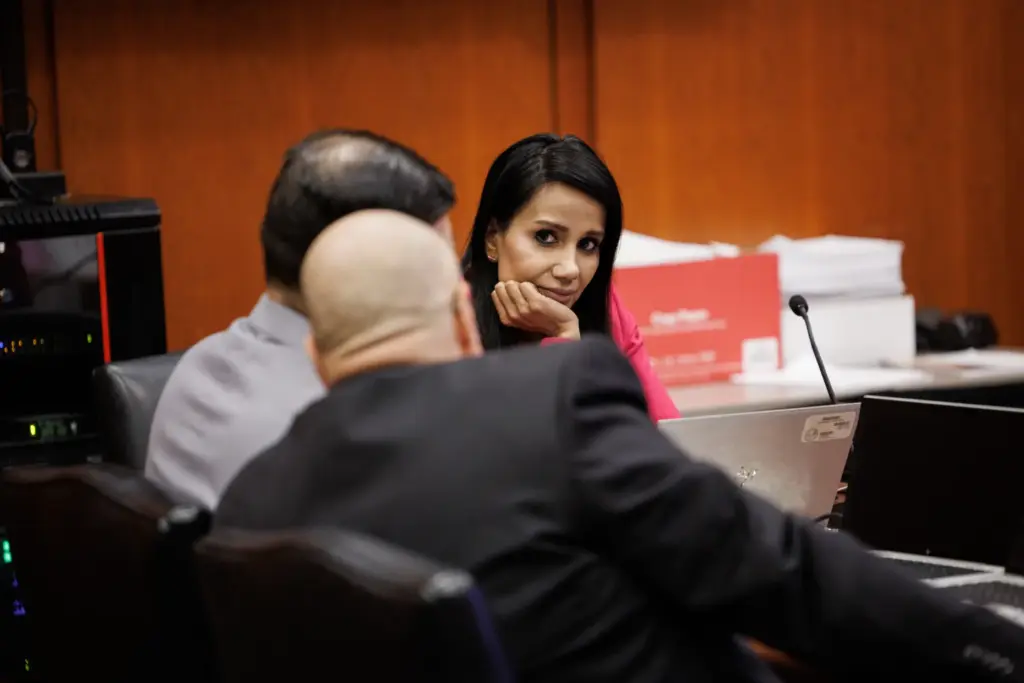 Deputy Alternate Defender Mishya Singh, right, listens during a hearing for Antolin Garcia Torres, left, who is being tried for murder for a second time in the 2012 presumed kidnapping and death of Sierra LaMar, at the Hall of Justice in San Jose, Calif., on Monday, Sept. 21, 2026. (Dai Sugano/Bay Area News Group)
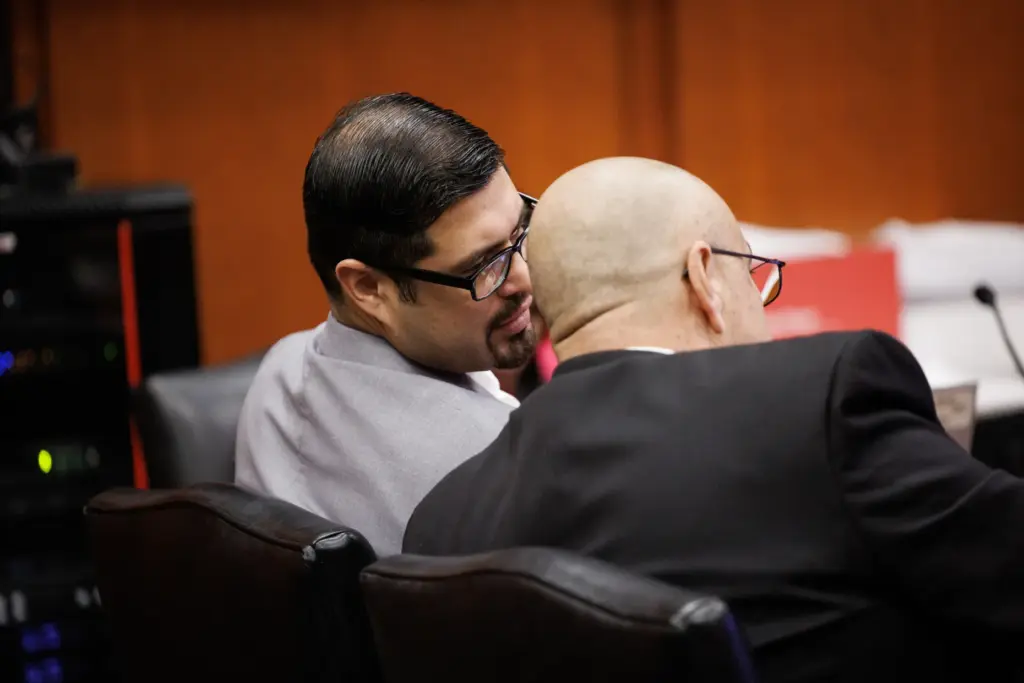 Antolin Garcia Torres, left, who is being tried for murder for a second time in the 2012 presumed kidnapping and death of Sierra LaMar, talks to Deputy Alternate Defender Al Lopez as he appears for a hearing at the Hall of Justice in San Jose, Calif., on Monday, Sept. 21, 2026. (Dai Sugano/Bay Area News Group)
The renewed charges include a major addition: an attempted kidnapping allegation reported in San Jose a week after Sierra disappeared. According to charging documents, a 16-year-old girl was walking to a bus stop in unincorporated Morgan Hill the morning of March 16, 2012.
The girl was reportedly walking home near Curtner and Coastland avenues in San Jose’s Willow Glen neighborhood when a man bear-hugged her from behind, applied a stun gun near her right ear and took her to the ground as she yelled for help, documents state. As the assailant allegedly dragged her toward a car, she fought back and broke free – the suspect then got into a car and sped away.
The girl alerted San Jose police two months later, after seeing news coverage of Garcia Torres’ arrest in Sierra’s disappearance, recognizing him as her attacker and the distinct faded red Volkswagen Jetta with a black hood, documents state. Prosecutors state that at the time of the reported attack, Garcia Torres was working in the area for a San Jose-based arborist firm.
Garcia Torres is not charged with the San Jose allegation, which joins three attempted kidnapping claims from 2009 that, due to the appellate ruling, will be tried separately from the murder case. Prosecutors, who have not specified why the San Jose case was not filed at the time, are seeking to introduce the newer allegation as evidence under a law that allows uncharged sexual offense claims to be introduced at trial in order to portray a pattern of misconduct.
The defense is vigorously challenging the strength of the prosecution’s evidence, and, in the absence of a body, have characterized the prosecution’s murder theory as speculation. Prosecutors are in turn challenging the defense’s ability to present jurors with potential third-party culprits and evidence they say suggests that Sierra was still alive after her disappearance.
About the Author