DEAR JOAN: This is a difficult subject but I truly need an answer.
While I live in a suburban neighborhood, a flood control channel is behind my backyard. This serves as a conduit for wildlife that I enjoy. I do have dogs who bark at the squirrels — not an issue — but very occasionally a young possum will show up.
Read more Map: Hawk Fire evacuation near Reno
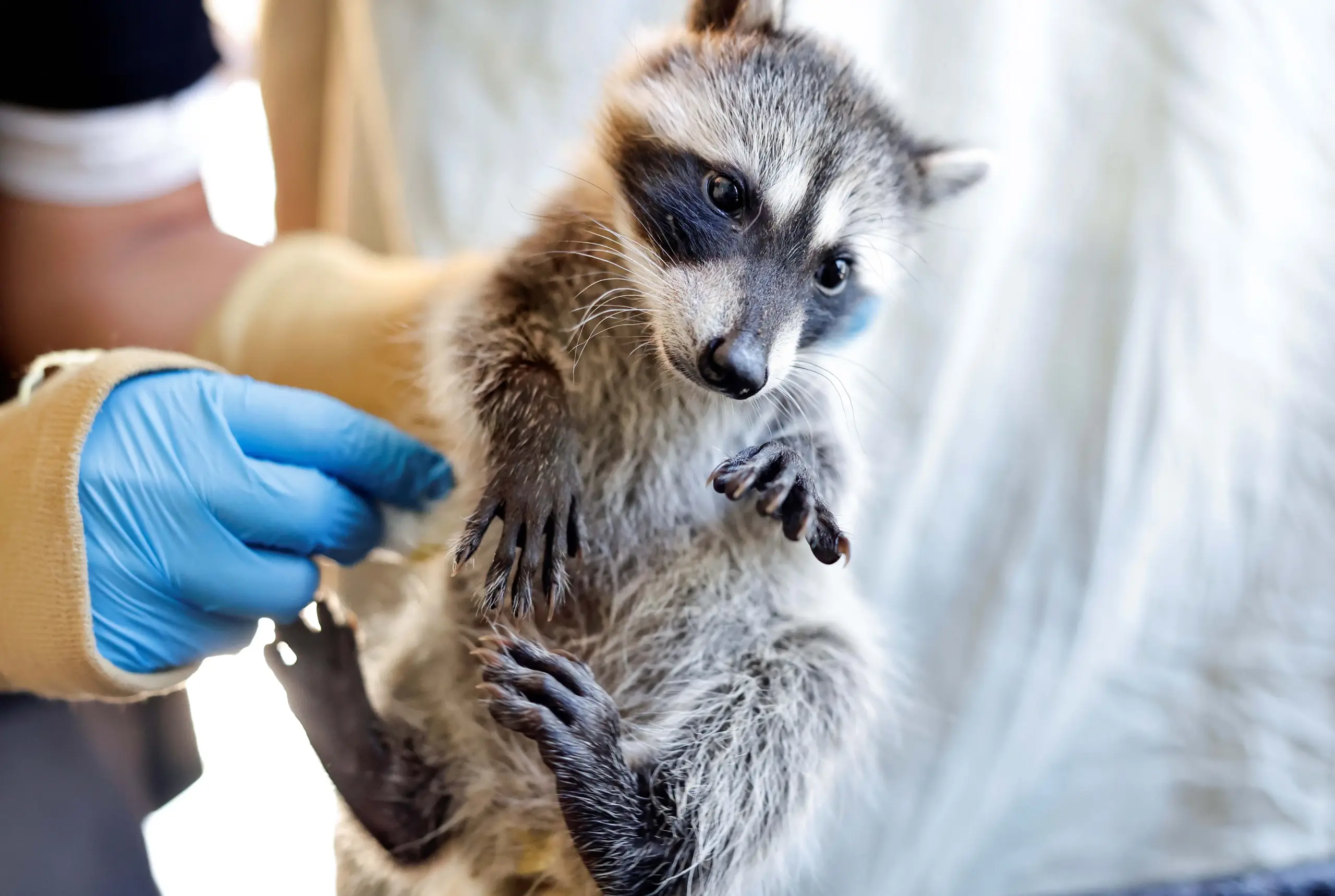
Usually I’m aware and lock the dogs inside, but several weeks ago they caught an almost full size opossum. When I got them away from it I could see it was critically injured. No services were available to euthanize the poor animal. I felt horrible having it die over several hours.
Can you recommend a humane method to euthanize at home? The veterinary emergency services won’t deal with a wild animal, and city or county resources are not available after hours.
— Elizabeth S., Newark
DEAR ELIZABETH: Sadly, in situations like these, there’s not a lot that we can do. State and federal law prevent what they label as “DIY euthanasia.” It’s a law designed to protect wildlife from those that mean them harm, but it also handcuffs the Good Samaritan that just wants to make sure the animals aren’t suffering.
Only qualified wildlife officials, vets or law enforcement officers are permitted to perform euthanasia. If you aren’t trained, you can end up causing the animal more pain.
If you find an injured wild animal, your first call should be to the California Department of Fish and Wildlife. The Bay Area region’s number is 707-428-2002. You’ll probably also need to contact a wildlife rehabilitator in your area. You can find a list of agencies, along with contact information on the CDFW’s website, wildlife.ca.gov/Conservation/Laboratories/Wildlife-Health/Rehab/Facilities. Elizabeth, you have three rehab centers in Alameda County, including the Ohlone Humane Society in Newark.
Because most of the centers aren’t open 24/7, help might not be immediately available. Experts advise leaving an animal alone as they can be dangerous when scared and in pain. If you feel it is safe and you’re able, you can move the animal to a dark, quiet, protected place in your yard. Be sure to wear heavy gloves and use towels.
Read more Bay FC earns badly needed victory thanks to late goal
DEAR JOAN: In the evening I often see a small bird dipping in and out of our spa, which is about 105 degrees. It sits at the side and then appears to dip just his feet and maybe belly into the hot water. It flies back and forth several times.
I thought maybe it was picking up dead bugs, but I never see any. It does look like a flycatcher with its short beak and white belly. Someone said it might be a Phoebe. I have also seen it do the same in the pool. Just surprised it can tolerate the hot water. I barely can!
— Linda R., Newbury Park
DEAR LINDA: The 105 degrees is the top temperature most birds will tolerate, and since it’s only dipping and not sitting, it likely isn’t an issue.
Phoebes are adept flycatchers, and usually pluck their meals in midflight. That’s probably what the bird is doing, although it might also be collecting water to build a mud nest.
The Animal Life column runs on Mondays. Contact Joan Morris at [email protected].
Read more Bay Area events calendar for Aug. 28 through Sept. 3 weekly editions
About the Author