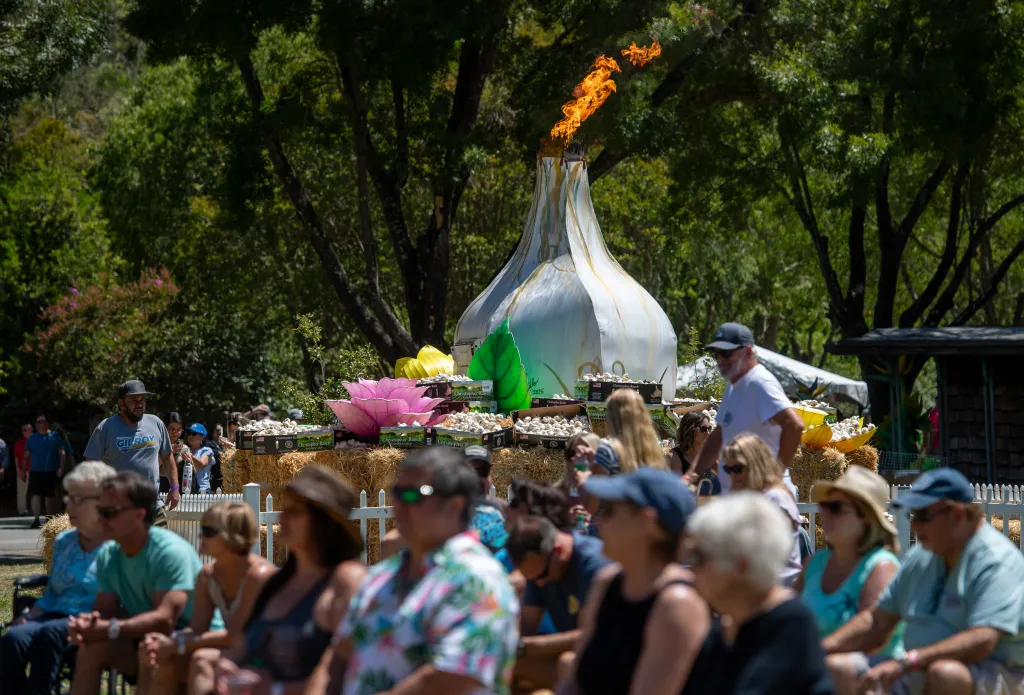
Gilroy-bound foodies will soon welcome back the mouthwatering aroma of grilled meats, sauteing shrimp and frying calamari all laced through with one pungent, familiar aroma: garlic.
The Gilroy Garlic festival is returning this month for a second year in a row following a six-year hiatus brought on by a tragic shooting. While the volunteer-run festival remains just a fraction of its peak size, this year’s event will be larger than in 2025, organizers say, offering more to guests and giving back more to the community.
“We went back to our roots and we’re slowly growing,” said Garlic Festival Association president Mark Jacobsen. “Having this back and being able to support the nonprofits … I mean, it’s just great.”
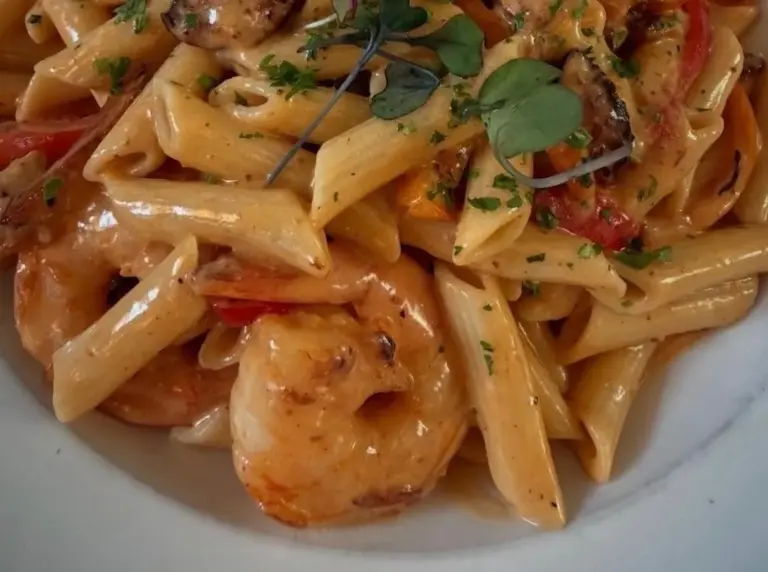
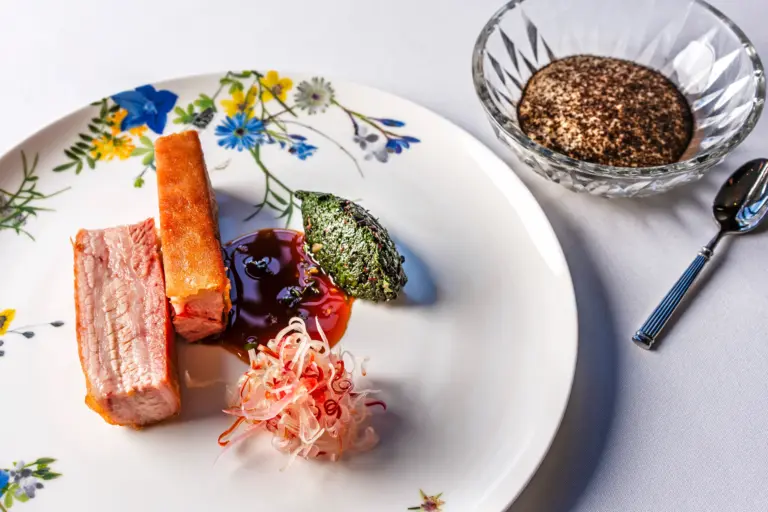
As ever, the Garlic Festival will host a slate of garlic-heavy cuisine from shrimp scampi and calamari to garlic fries – and this year will feature the return of a Garlic salsa recipe that once graced the festival. The festival will offer free samplers of garlic ice cream and – new to this festival – add free samples of toum: an intense garlic dip popular in Lebanon.
Since last year, the festival has increased the number of available tickets from 3,000 a day to 4,000 a day according to a festival spokesperson. The event is also adding a children’s area, expanded food options and a longer list of vendors who will be selling their wares.
This year’s Garlic Festival runs from 10 a.m. to 6 p.m. July 24-26.
The festival began as a humble luncheon in 1978, growing into a phenomenon with an annual attendance of around 100,000. It attracted curious foodies, famous chefs and garlic fanatics from around the world.
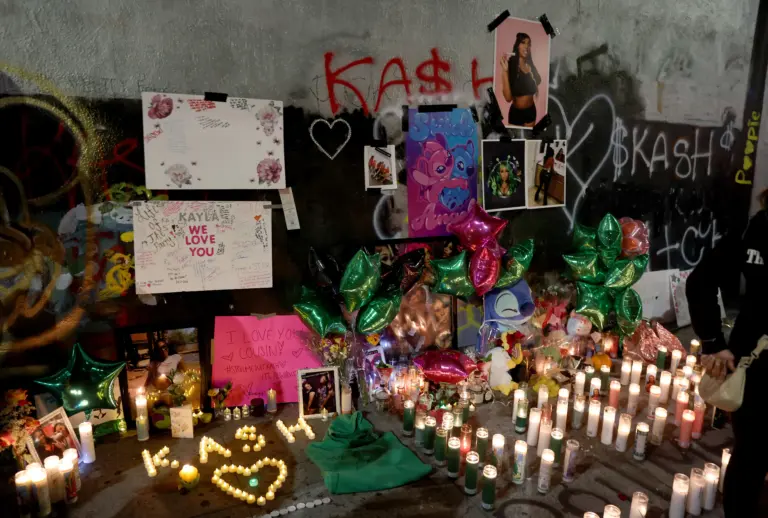
Then in 2019, a gunman opened fire on the festival’s last day, wounding 17 people and killing three: 6-year-old Stephen Romero of San Jose; 13-year-old Keyla Salazar of San Jose; and 25-year-old Santa Cruz resident Trevor Irby. In the aftermath, the community lost its most cherished annual affair and both COVID and rising insurance rates made bringing the festival back a longshot.
But after years of small events, the event returned last year to a different venue near local amusement park Gilroy Gardens and to a sold-out crowd.
The festival is run and operated entirely by volunteers, allowing the money spent at the festival to be redistributed to charities across the city. Over the years, it has raised and given away millions of dollars, offering a lifeline to charities, sports teams, and volunteer organizations throughout the city and providing around a third of the funding for the Chamber of Commerce.
Last year, the event raised over $74,000 for local non-profits – a fraction of it’s peak, but much more money per attendee. So festival president Jacobson hopes that the festival can find “a sweet spot” where it can grow enough to give back as much as possible to the community, a feeling shared by leaders in the community and the festival.
“This is what I’m looking forward to getting back to … I want to be able to continue to raise money for this community,” said Gilroy Mayor Greg Bozzo. “We are a great community, but we are also a community of great need.”
In recent years, Gilroy has faced a range of challenges from high homelessness to housing insecurity among some residents. According to a United Way Bay Area analysis, Gilroy receives only 0.1% of the philanthropic donations in the county despite being one of the ZIP codes with the highest needs for aid.
For many who have been a part of the festival for years, giving back goes hand in hand with another highlight of the festival: community pride.
“It is part of the identity of Gilroy,” said Gene Sakahara, who has volunteered with the festival for decades and lived in Gilroy since the ‘50s. He pointed out that many of the events that once defined small towns have begun to flag, such as the Castroville Artichoke festival which ran from 1959 but was cancelled indefinitely in 2025 and has not yet returned.
“I see the identity of small towns being chipped away at .. so much of Americana has gone by the wayside.”
For Ken Christopher, whose grandfather cofounded the event nearly 50 years ago , the return and growth of the Garlic Festival are a testament to the ability of the town to hold on to its identity.
“I’m proud that it’s stood the test of time, it’s something that every Gilroyan is so proud of,” said Christopher.
Tickets cost $37.54 per person (including fees) and parking costs $26.88 per vehicle (including fees). More information and tickets are available at gilroygarlicfestival.com. While tickets for Saturday and Sunday are sold out, tickets for Friday were still available Thursday afternoon.
Read more Data center approved for office building in North San Jose
About the Author