A bipartisan bill supporters call the most important piece of housing legislation by Congress in a generation is now law. But experts say that while it’s a step in the right direction, it’s unlikely to put a major dent in the Bay Area’s crushing rents and home prices anytime soon.
Read more Granderson: When a young Black man dies mysteriously in the South, assume nothing
Instead of overhauling the nation’s housing policies, the bill sets in motion dozens of incremental changes, including easing regulations to spur new construction, which economists broadly view as critical to alleviating Bay Area housing costs after decades of sluggish homebuilding.
“It’s a lot of small, technical shifts that individually are not headline-grabbing, but collectively could lead to some meaningful change,” said David Garcia, deputy director of policy for the UC Berkeley Terner Center for Housing Innovation.
While Bay Area congressional lawmakers played a key role in drafting the bill, it contains no provisions specifically tailored to the region. It does, however, condition some federal grants on the progress local communities make in building more housing, and aims to help homeowners take out loans for accessory dwelling units, or ADUs, which have become increasingly popular in the Bay Area.
It also includes a high-profile measure that restricts large investors from buying single-family homes, though Wall Street does not appear to be targeting large numbers of homes in the Bay Area.
The 21st Century ROAD to Housing Act became law over the weekend after securing overwhelming support from lawmakers in both parties. It passed despite President Donald Trump’s refusal to sign it unless Senate Republicans first approved a separate voting reform bill. Trump ultimately declined to veto the legislation, allowing it to take effect 10 days after it arrived on his desk.
Congress’ focus on housing, long a challenge for densely populated coastal regions like the Bay Area, comes as rising rents and real estate prices have become a top concern for voters nationwide as communities struggle to build enough homes to keep up with demand. During the 2024 election, housing became a central campaign issue for the first time in decades.
Silicon Valley Rep. Sam Liccardo, who introduced several provisions in the bill, including the ADU measure, acknowledged it will likely take years for many of the reforms to have a tangible impact on local housing markets.
Still, he described the legislation as a blueprint for future bills to tackle what he sees as a defining issue facing the Bay Area and, increasingly, the entire country.
“This is one of the few areas we have an opportunity for bipartisan progress,” Liccardo said.
While housing advocates are encouraged to see Congress finally take up housing issues, they say the most consequential land-use decisions are still to come at the local level. That means it’s up to state lawmakers and regulators, who have greater authority to influence local policies, to continue pushing California cities and counties to approve more homes, said Matthew Lewis, communications director for California YIMBY.
“No matter what happens, you still need an environment within the state that is friendly to homebuilding,” he said.
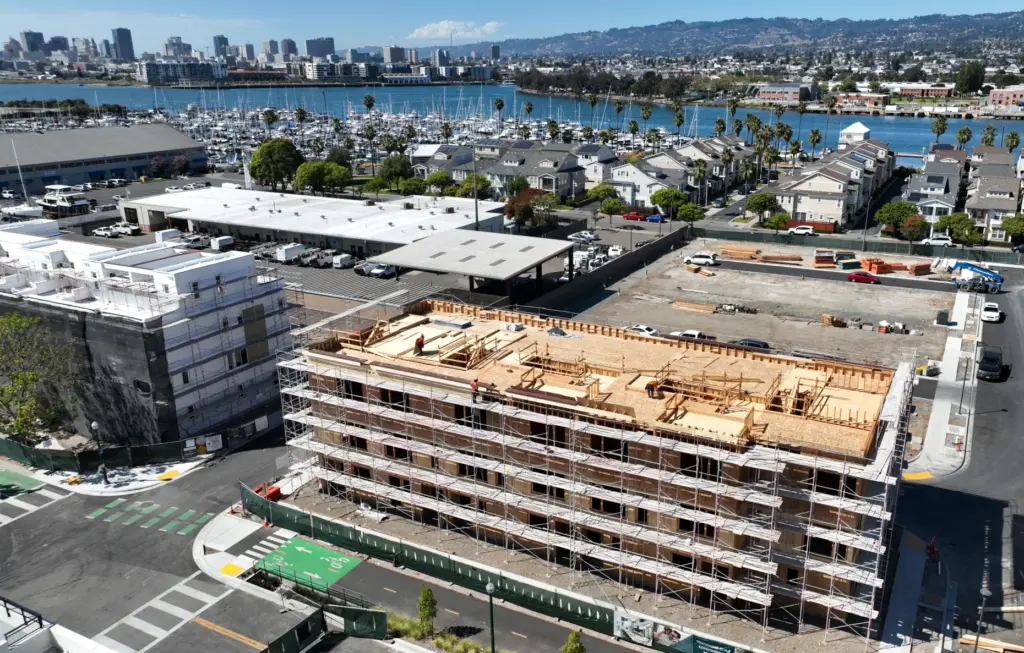 Construction takes place on a Trumark Homes housing development project on Clement Avenue near Grand Street in Alameda, Calif., on Tuesday, July 14, 2026. (Jane Tyska/Bay Area News Group)
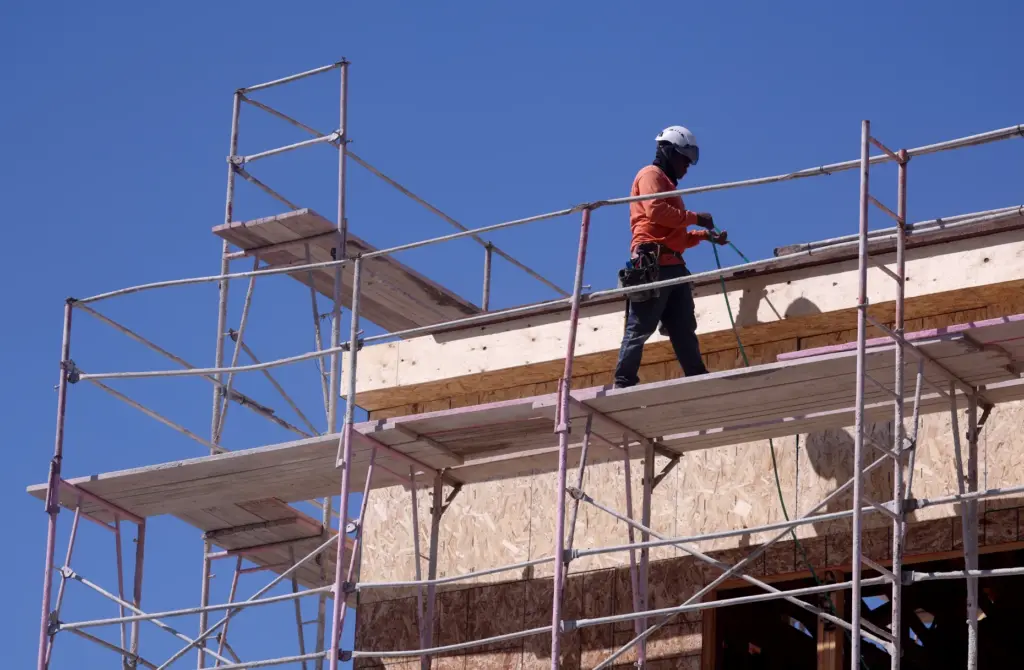 Construction takes place on a Trumark Homes housing development project on Clement Avenue near Grand Street in Alameda, Calif., on Tuesday, July 14, 2026. (Jane Tyska/Bay Area News Group)
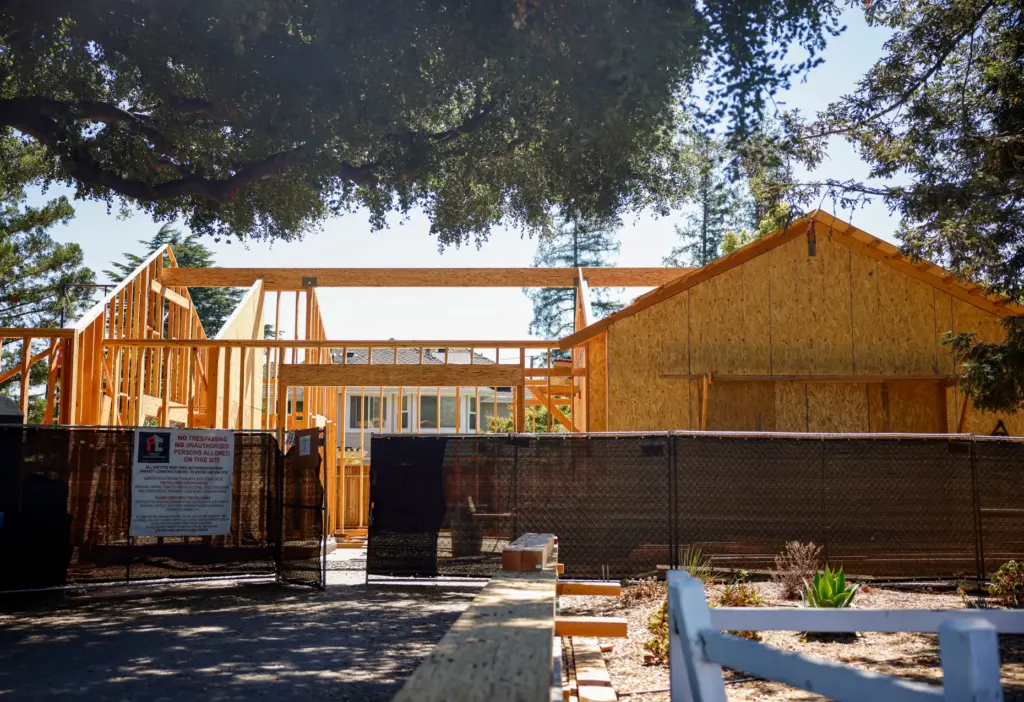 Construction workers build housing in Campbell, Calif., on Tuesday, July 14, 2026. (Shae Hammond/Bay Area News Group)
‘Build Now’
One of the bill’s main provisions, dubbed the “Build Now Act,” makes a portion of a key grant program for local infrastructure and economic development projects contingent solely on communities building more housing.
Expensive cities and counties that continue to see below-average construction could lose up to 10% of their share of the funding from the Community Development Block Grant program. That could include pricier parts of the Bay Area, though it’s still up to regulators to identify areas subject to the rule. The withheld funding would then go to jurisdictions where homebuilding moves faster.
Read more Horoscopes July 16, 2026: Will Ferrell, participation is your path to better health
Still, the amount local governments currently receive from the program is relatively small relative to their budgets. San Jose, for example, received $7.8 million in 2024 while Santa Clara County was awarded $1.5 million, according to federal data. Even so, housing advocates say it could still nudge local officials to ease building regulations and pursue policies to encourage construction.
Additionally, the bill allows cities and counties to allocate up to 20% of the funds toward building affordable homes — a modest but welcome change for Bay Area communities facing persistent shortages of affordable housing dollars.
Graham Knaus, CEO of the California State Association of Counties, urged federal regulators to be judicious when deciding to withhold funding, but said allowing the grant money to be used for housing is a win for local governments.
“The policy is moving in the right direction in terms of increased flexibility and reward when communities do right,” he said.
Loans for ADUs
The bill also allows homeowners to soon begin applying for government-insured property improvement loans to build ADUs on their properties. The change should help homeowners across the Bay Area secure loans for the backyard units, a longstanding barrier to development, said Garcia at the Terner Center.
“Moderate- and low-income homeowners, by and large, don’t have access to loan products for ADUs,” he said.
Despite the financing challenges, state and local housing laws have helped spur an ADU boom across the Bay Area in recent years. In 2025, the nine-county region permitted about 4,700 ADUs, more than double the number in 2018, according to data from the state housing department.
To further encourage ADUs, Liccardo, a former San Jose mayor, said he plans to introduce additional legislation to clear the way for homeowners to take out government-backed second mortgages — a separate type of loan from the kind approved in the new law — to finance them.
Limits on institutional investors
During the pandemic, as families sought additional living space in more affordable Sunbelt states like Arizona and Georgia, private equity firms and other large investors snapped up thousands of single-family homes in those areas and converted them into rental properties.
That sparked concerns across the political spectrum about investors blocking homeownership and driving up rents. In response, the new bill limits “large institutional investors” from buying single-family homes, but allows them to continue building new houses for the rental market.
The bill defines a large investor as a for-profit entity that already owns or has a stake in at least 350 single-family homes.
While large investors bought many homes in Oakland and other parts of the East Bay during the 2010 foreclosure crisis, there is little evidence they have continued to do so in significant numbers in the Bay Area. Experts say that’s likely because homes in the region are now far more expensive to acquire than in most other parts of the country. Large investors own under 6% of single-family homes in every Bay Area county, according to the California Research Bureau.
Garcia said other parts of the bill, such as reforms to bolster affordable housing financing tools and office-to-housing conversions, could have a more direct impact on the Bay Area. Still, he said, “the impact on supply and affordability is likely going to take some time to materialize.”
Read more Asking Eric: Hey, pal, it’s a frequent flyer lounge, not your personal office
About the Author