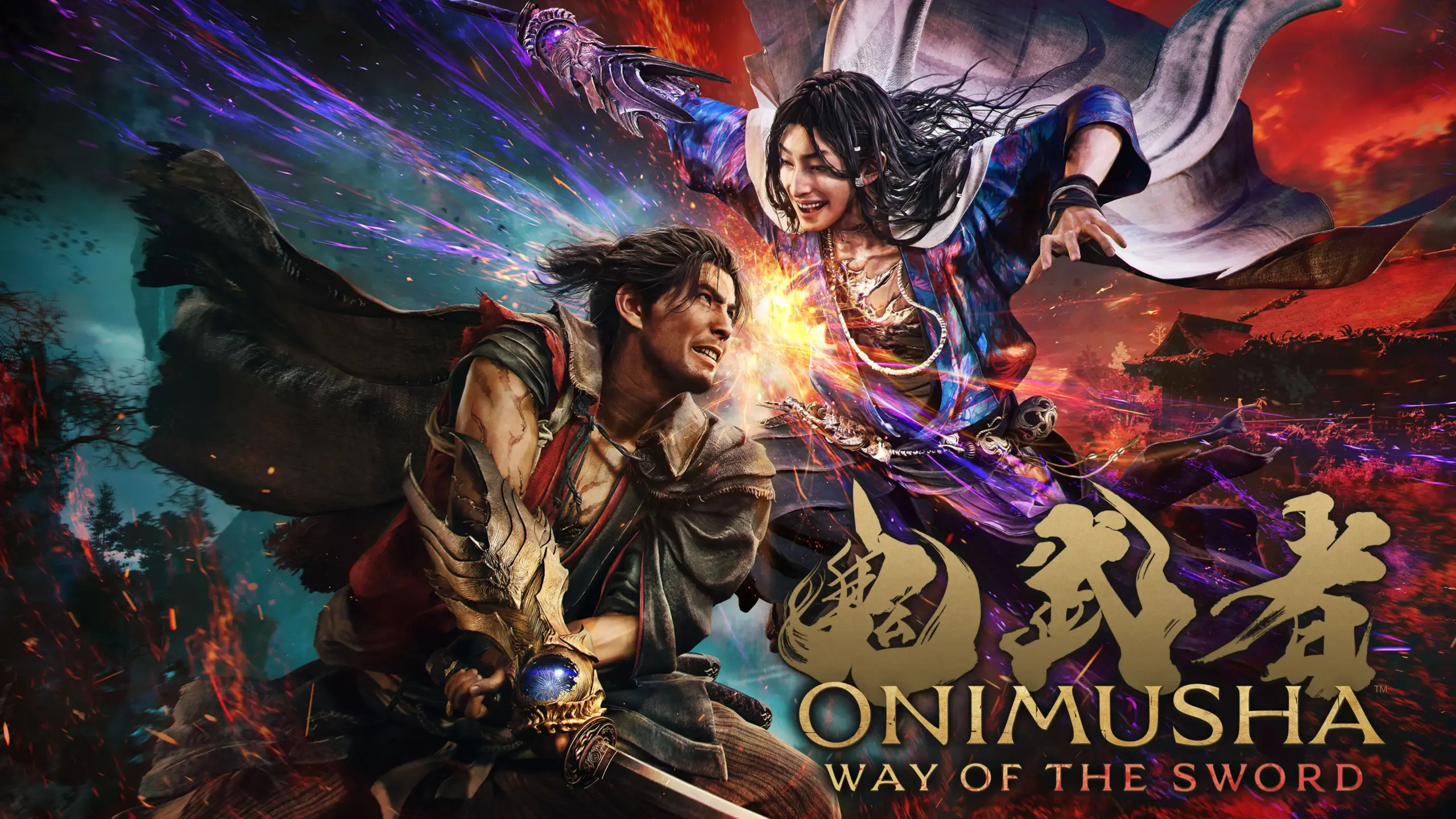
Kintsugi is an idea that’s woven through “Onimusha: Way of the Sword.” The traditional Japanese art of repairing broken objects with golden lacquer seeps through the narrative. It’s in parts of the environment, and it runs through the skin of its characters. It reflects Capcom’s approach to resurrecting this long-dormant franchise.
Read more Fall films 2026: These festivals and special screenings spice up the season
A new entry in the “Onimusha” series hasn’t been made for 20 years, and this new chapter, directed by Satoru Nihei, aims to piece together and transform the series into something new without discarding the past. The project carries over the staples that have made the series distinct.
THE STORY SO FAR
It features a samurai modeled after a famous Japanese actor. In this case, the late Toshiro Mifune serves as the template for Miyamoto Musashi, a legendary real-life swordsman from the Edo period. He’s famous for never losing a duel, but upon meeting demons called Genma, he loses his life and awakens with an Oni gauntlet. That armament gives him the power to battle the creatures, and he soon finds himself embroiled in a fight to save Japan from another historical figure, Minamoto no Yoshitsune.
The military commander from the distant past has defeated the Oni who have guarded hell, and he commands an army of Genma with the goal of destroying the seals that keep the netherworld and Earth separated. Musashi becomes part of a crew that fights the Genma and Yoshitsune’s minions.
A MORE OPEN WORLD
Capcom modernizes much of “Way of the Sword,” giving players a wider three-dimensional world to explore, revamping its structure and upgrading its combat. First, players will mostly explore Eastern Kyoto, which acts as an open-world hub where several missions take place. The developers lock away much of it, and as Musashi earns more abilities, it unlocks new areas to explore. In addition, he can fast-travel to faraway areas through Spirit Mirrors.
With such a large map, the scope of the adventure widens, and Capcom’s team adds several side quests. But instead of overwhelming players like a Ubisoft title, Nihei and his team take a more measured approach, sprinkling the quests after each major upgrade. Sadly, the side quests aren’t creative, and some rewards are lacking for the work involved.
The level design is reminiscent of the modern “Resident Evil,” with simple puzzles that require Musashi to use his Oni Vision to discover hidden enemies blocking doors or find targets for his Oni Bow, such as door locks or gunpowder barrels. In the kintsugi-inspired Oni Refuge levels, he must fire his arrows at blocks to move them so he can advance. These minor obstacles break up the fighting, which is the core of the experience.
COMBAT UPGRADE
When Musashi first acquires his gauntlet, he wants it off. The prideful samurai is upset that he died and bears the scars of his defeat as kintsugi-like cracks on his skin. Over the course of the campaign, he comes to grips with his loss and uncovers a more important lesson about strength.
Read more Eight arrested in deadly San Jose shooting during downtown World Cup surge
That growth should coincide with the mastery of the game’s combat, which echoes “Dark Souls.” Success in “Way of the Sword” is about reading opponents, learning their attack patterns and parrying their strikes. The learning curve is steep and will frustrate players, but the gameplay is deeply rewarding once mastered. There’s a moment when it all clicks, and players understand they can handle any enemy with the right timing.
That part of the combat is great, but “Way of the Sword” has notable flaws. At times, especially during boss fights, the camera ends up stuck in corners, making already tough confrontations harder. The other issue is that it’s so agonizingly slow to use items that it feels unresponsive. Players can’t just tap a button to use power-ups. They have to hold the button down for a second, and it can be frustrating when looking for an opening to use them.
PROGRESSION
As in other “Onimusha” titles, “Way of the Sword” features its own set of weapons and upgrade trees. Players build up a meter by collecting souls, and these allow them to attack with one of six Oni melee weapons. They each have a different function but only three felt usable. Meanwhile, players will collect Oni and Power stones that allow them to upgrade the aforementioned weapons and Musashi’s samurai skills. Some of them such as Fall Recovery are essential to victory.
The progression creates another way for players to overcome a difficult boss. If players are having a tough time, they can upgrade Musashi’s sword, armor, gauntlet, weapons or abilities by grinding out Red Souls through combat. If it’s still too hard, Capcom includes a Story Mode, which lowers the difficulty so players can still enjoy the story.
That’s Capcom’s other area of improvement. The publisher’s teams are getting better at crafting narratives, as seen by “Pragmata” earlier this year, and “Way of the Sword” continues that progress. The plot isn’t Shakespeare, but the campaign does have its emotional moments, where you can see a deeper effort as the team tries to weave a cohesive story, while preserving the “Onimusha” legacy and creating something better.
‘Onimusha: Way of the Sword’
3 stars out of 4
Platform: PlayStation 5, Xbox Series X and Series S, Nintendo Switch 2 and PC
Rating: Mature
Read more Why is Bellarmine playing on Saturday night at San Jose City College? Bells AD explains
About the Author