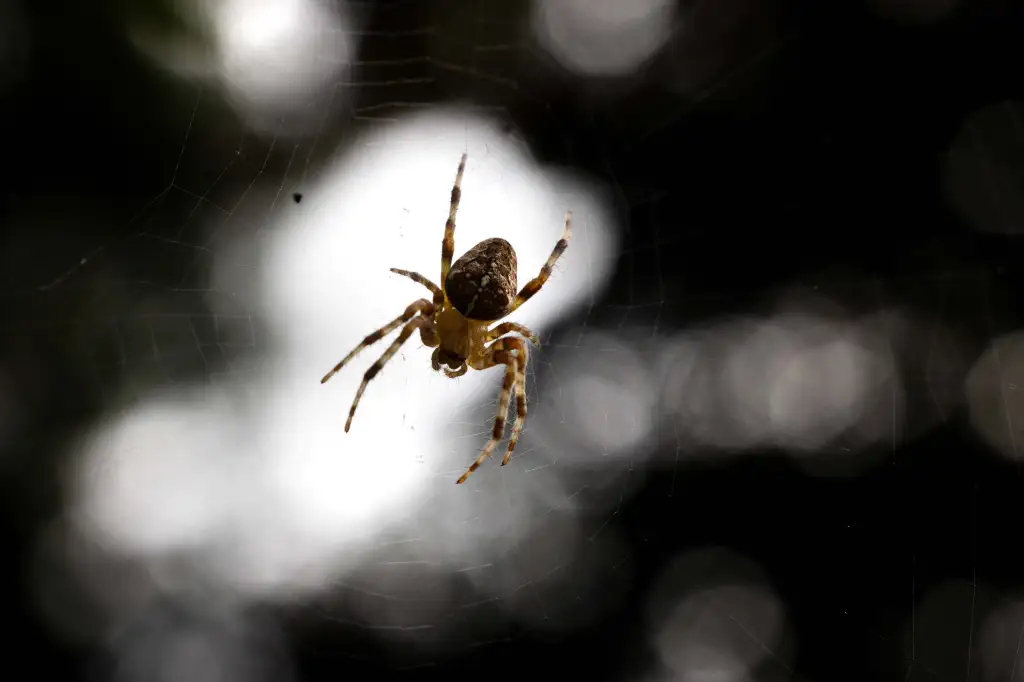
DEAR JOAN: We’re at our wits end cleaning spider webs from every exterior surface around our home. It’s constant. We clean the outdoor furniture, deck railings, light fixtures, doorways, windows one day and the very next day, webs are back in force.
Read more Pope calls for robust regulation of AI in eagerly awaited first encyclical
As gardeners, we won’t spray as that kills off everything, beneficial insects included.
Any suggestions as to what we can do to discourage spiders in some areas of our yard, yet let them live happily everywhere else? Is that even possible?
— Peggy, Castro Valley
DEAR PEGGY: There are some non-toxic things you can do. I can’t personally vouch for them because I haven’t tried them, but I probably will as my house is starting to look Halloween-ready.
Spiders are blessed with multiple eyes but they also have a keen sense of smell, and like all creatures there are scents they don’t care for. Spiders tend to dislike natural oils including peppermint, citrus, eucalyptus and tea tree. Try mixing 15 to 20 drops of an essential oil in a spray bottle of water with a few drops of liquid dish soap. Spray around windows, doors and dark corners — all the places spiders hang out.
You might have to do it regularly to have success.
A 50-50 mix of water and vinegar will also create a strong scent barrier, and if you’re really ambitious, you can rub citrus peels in areas where spiders are known to congregate. Growing pots of lavender and mint in areas where you want to exclude spiders is an attractive way of dealing with the problem.
Changing your outdoor lighting can help reduce the number of spiders, which are attracted to areas because of insects, and insects often are attracted to outdoor lights. Using yellow bulbs or sodium vapor lights are less likely to attract nighttime flying insects.
Keeping your yard tidy will also help limit insect activity and spiders.
DEAR JOAN: For several weeks lately something has been gnawing at the rinds of the lemons on the outer branches of our lemon tree. It seems like any squirrel or rat wouldn’t be able to get that far out on any branches.
Read more Minor earthquake is reported near Lost Coast of Northern California
At times there have been as many as a half dozen lemons chewed at different levels of the tree. The tree hangs over a fence that is used by squirrels (and an occasional rat) running between yards. What are the most likely suspects?
— Ben, San Jose
DEAR BEN: Rats, squirrels and opossums will all eat lemon rinds, ignoring the sour flesh inside. In this case, given that the damage is a large spot on several lemons, I put squirrels as the most likely perpetrator.
Rats tend to eat the entire peel, often leaving a naked lemon hanging from the tree. Squirrels don’t digest the peel as well as rats do, so they tend to eat smaller portions, and they also, infuriatingly so, sample several lemons at a time.
However, if you think the damage is occurring overnight, then rats would be to blame. Squirrels tuck in when it gets dark, avoiding those nighttime predators.
I least suspect opossums as they are the heaviest of three and not as nimble in a tree.
The Animal Life column runs on Mondays. Contact Joan Morris at [email protected].
Read more Review: Backstreet Boys remain the gold standard for boy bands
About the Author