Submit your letter to the editor via this form. Read more Letters to the Editor.
We need less greed rather than more homes
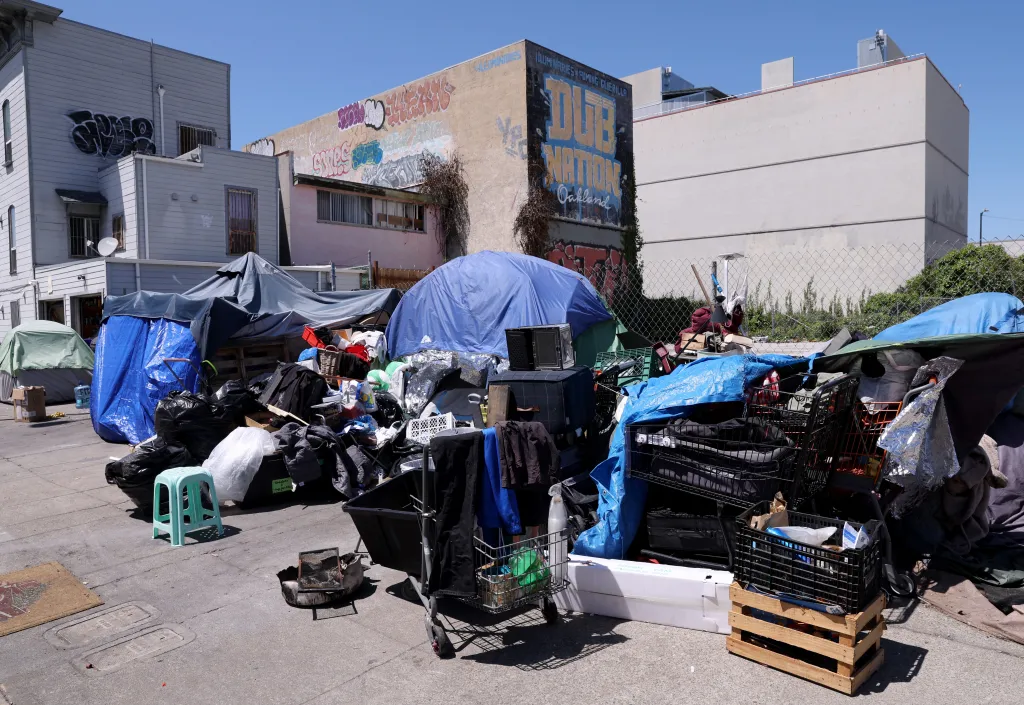
Re: “Why homelessness plagues our cities more than suburbs” (Page A1, July 5).
For an article spanning an entire page of the East Bay Times, there was only one honest 42-word paragraph at the very end of the lengthy article, which belabors the reasons why we are experiencing such growth in homelessness without addressing the root of the problem.
“What we need to do to solve our homelessness problem is to work regionally to have a much more robust response to the ability of low-income people, extremely low-income people, to have a place that they can afford to live.” This means addressing the removal of rent control and the gentrification of entire neighborhoods for people living high above the poverty line. Society does not need rent assistance, which is insulting to people who have been previously housed, or more housing. What we need is less greed.
Michelle O’Neil Puryear
Pleasanton
Union greed drives our nursing shortage
Re: “Nurse shortage strains psych hospitals” (Page A1, July 6).
Once again, we see how the unholy alliance between unions and politicians hurts our communities, the latest example being psychiatric hospitals having to reduce operations because of “staff shortages.”
There were no staff shortages until the politicians, in return for union campaign contributions, did the unions’ bidding and passed a law requiring hospitals to hire more unnecessary union nurses, driving up health care costs. The union claims they just want to help patients, but the truth is the union wants to line their pockets with more of the patients’ money. Unions have done this in other areas of our public services, such as schools and transportation, which contribute to our unaffordability crisis, our failing schools, and inefficient transportation systems.
It’s time to curtail union power and vote for politicians who support the general population and won’t facilitate the greed and tyranny of the unions.
Dick Patterson
El Cerrito
Misguided protests have a long history
I smile when I read of protests about a plan to build a new data center somewhere. These protests remind me of bygone days and similar “movements.”
In old Europe, Gutenberg’s printing press faced resistance from those worried that soon “everyone could have a book.” In New England, early-day textile workers railed against automated looms and spinning machines. And horses pulled plows just fine — no need for those new-fangled tractors. Robots doing welding on auto assembly lines? Why, we’ll have no such thing. Patients and secretaries loudly complained in 2005 when Kaiser Permanente adopted electronic, rather than paper, medical records. The dangerous (perhaps addictive?) BankAmericard was introduced in 1958 — now more than 80% of Americans have at least one credit card.
Remember in the 1960s when San Francisco dock workers objected to the whole idea of container ships? Now the great majority of them go to Oakland.
Read more Man sentenced to jail for phony insurance claim after road rage collision with big rig
Mike Heller
Walnut Creek
Supreme Court acts as Trump’s lawyers
It’s said that a lawyer’s job is not to tell clients what they can and cannot do, but to tell them how they can do what they want. If that’s true, the Supreme Court Justices are Donald Trump’s lawyers.
With no basis, the Court decided that Trump cannot be prosecuted for official acts — thus getting him off the hook for two criminal indictments and a sentencing hearing.
Three Justices said that the Constitution doesn’t say what it plainly does say: that almost everyone born here is a citizen. One more said that such citizenship is based not on the Constitution but on a law that Congress could repeal (hint, hint).
While the law clearly says that anyone who enters the United States can claim asylum and must be given a hearing on the claim, the court helpfully suggested that that requirement can be avoided by keeping people from entering, using force if necessary.
Merlin Dorfman
Livermore
Financial education should start in 6th grade
In a previous letter, I wrote about the gaps in financial education that leave students unprepared for real decisions. The next step is deciding where stronger instruction should begin. The most effective starting point is sixth grade.
Middle school is when students begin forming habits and managing small amounts of money. A short financial literacy course in sixth grade could teach saving, needs versus wants, budgeting and how to recognize scams. These lessons are simple, practical and easy to fit into existing middle school structures.
Starting early also promotes equity. Right now, students rely on family circumstances to learn about money, which creates large gaps in knowledge. A required sixth-grade course would give every student the same foundation. California’s new graduation requirement is a step forward, but waiting until senior year is too late. Financial literacy must begin much earlier.
Read more Ballot measure would increase Alameda County minimum wage to $30
Baidehi Roy
Fremont
About the Author