DEAR JOAN: We have cobwebs across the outside corners of our windows. We’ve watched little brown birds (not hummingbirds) fluttering at the windows where they appear to be pecking at the cobwebs.
Are they going after little bugs caught in the cobwebs? I’ve been hesitant to clean the cobwebs from the windows because I don’t want to take away a source of food for the birds.
— Anna, Orinda
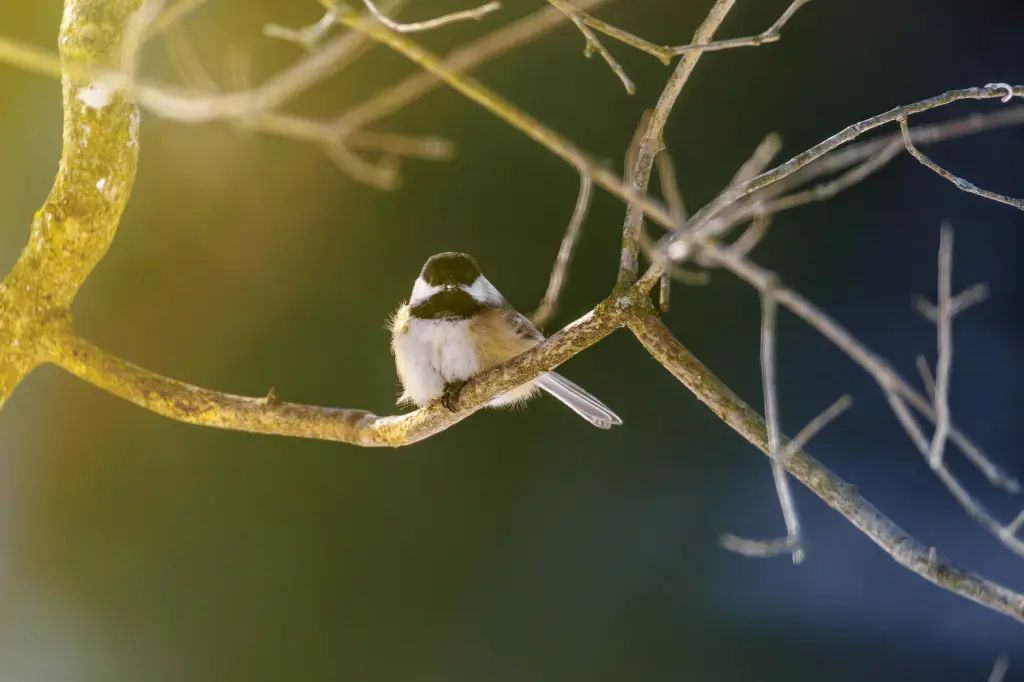
DEAR ANNA: Several insect-eating birds take advantage of those morsels caught and stored in spiderwebs, as well as snacking on the spiders themselves if they can catch them. The most likely to be found around those cobwebby corners in California are Anna’s hummingbirds, California scrub-jays, wrens, chickadees, warblers and bush tits.
It’s not common for the birds to eat the silky webs, but they will use them to help fortify their nests.
DEAR JOAN: For the last six years or so, we have had orioles come to our feeder that has grape jelly. They usually arrive mid April and stay until early September.
I heard a few around our neighborhood, and I put my oriole feeder out. We have only seen one oriole this year compared to approximately 10 that usually visit the feeder.
Do you have any other people that have expressed this same situation to you? Just wondering why they haven’t been showing up like clock work as they have in years past.
— The Bossi Family, Hercules
DEAR BOSSI FAMILY: So far, you’re the first to write to me about missing orioles. It’s hard to know exactly what happened, but I have some possible explanations.
The first is that the orioles that once visited you have found another source of grape jelly. I can tell you that if I was your neighbor and saw up to 10 orioles around your feeder, I’d be trying to attract the same attention into my yard.
Read more Warriors GM Dunleavy explains how he’s approaching pivotal NBA draft
Because you heard other orioles in the neighborhood, there’s probably nothing nefarious going on, but climate change is altering migration patterns for many birds. Birds are having to adjust their timing to make sure the plants and insects they rely upon are available to them, and in many cases that has meant arriving earlier and leaving sooner.
Another explanation is that birds can be fickle. They might return to the same general area each year, but that doesn’t always mean coming back to the same backyard. Changes in neighborhoods — trees and plants removed, predators moving in, disruptive construction — can also be to blame.
And sadly, something might have happened to the birds. The average lifespan for orioles in the wild is 8 to 11 years.
DEAR JOAN: Do hummingbirds pollinate fruit trees? If so, should I restrict putting out hummingbird feeders during tree-flowering season so as to encourage the birds to feed on the tree flowers?
— Jeff, San Jose
DEAR JEFF: Hummingbirds can be excellent pollinators for stone fruits (peaches, cherries, plums) and citrus as well as some apples and avocados.
You don’t need to bring in your feeders. When given a choice between the nectar we provided and the natural stuff in the blossoms, the hummers will choose Mother Nature’s bounty first, eating at feeders as a supplement to their diets.
The Animal Life column runs on Mondays. Contact Joan Morris at [email protected].
Read more Former Federal Reserve Chairman Alan Greenspan dies at 100
About the Author