Contra Costa’s population is more than four times what it was in 1948, when voters approved the formation of the first countywide community college district in California.
Read more Opinion: San Francisco’s luxury housing boom is a warning
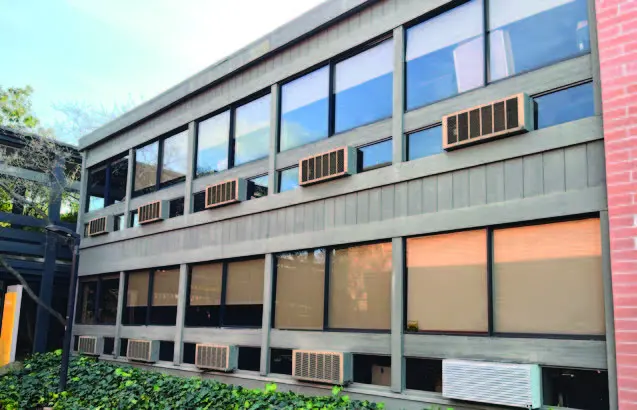
Not surprisingly, the buildings that today form the district’s three main campuses show the wear, tear and age of a half-century or more of use.
So Contra Costa Community College District officials are proposing a $920 million bond measure on the June 2 ballot to renovate or replace some of the key structures. Measure G is a restrained and well-thought-out financing and construction plan. Voters should support it.
Measure G would increase the property tax rate for 32 years by an estimated $10 per $100,000 of assessed value. Most Bay Area school bond measures we review seek the maximum rate legally allowable. Measure G seeks only about 40% of what the district could have sought under state law.
For a home with a county average of about $700,000 assessed value, the proposed tax rate works out to an additional $70 a year. That’s on top of existing levies, currently totaling $98 annually for an average home, that will last 12 more years to retire bonds from past voter-approved measures.
To keep the Measure G estimated tax rate flat at $10 per $100,000 of assessed value, district officials are planning to phase in issuance of the bonds and launching of construction.
Read more Endorsement: Santa Clara Valley open space tax would be too much, too soon
They tell us that they don’t plan to start the biggest construction projects — at Contra Costa College in San Pablo, Diablo Valley College in Pleasant Hill and Los Medanos College in Pittsburg — until early in the next decade. Those projects all call for renovation or replacement of buildings from the 1970s or, in one case, early 1980s.
Measure G comes as the district seems to have finally recovered from education’s major pandemic downturn. Enrollment this fiscal year returned to 2019-20 levels. And graduation totals for degree and certificate programs are almost back.
Finally, a word about transparency. District Chancellor Mojdeh Mehdizadeh and County Counsel Thomas Geiger deserve credit for clearly noting in the official voter information guide that property owners are still paying taxes for the district’s prior bond measures.
But the district’s Measure G ballot wording failed to identify the $10 per $100,000 rate as a property tax. Like most bond measures we see, the convoluted ballot language is designed to hide that bonds must be repaid with tax increases.
While we didn’t let that tip our recommendation, it did give us pause. Measure G deserves voter support, but voters deserve full ballot transparency.
Read more Opinion: Can California’s new online platform help rebuild democracy?
About the Author