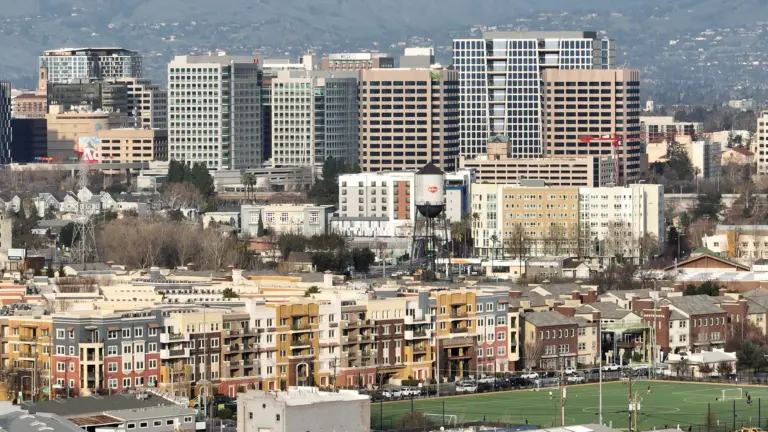
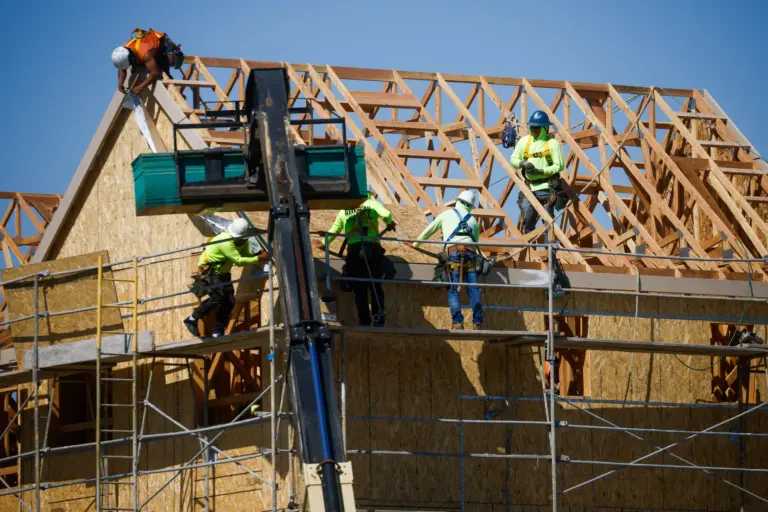
MENLO PARK — A real estate group has sued Menlo Park over the city’s delays in making a final decision on a 665-home development that was proposed as a builder’s remedy project at the old Sunset Magazine site.
Read more Horoscopes October 5, 2026: Jesse Eisenberg, take control of your life
The San Mateo County Superior Court case might create a legal test that could determine the extent to which California can rein in a local jurisdiction’s control over a housing development.
“Menlo Park has effectively denied the project because the city’s course of conduct has been undertaken for an improper purpose,” the developer of the project alleged in the lawsuit, court papers filed on Oct. 2 show.
The lawsuit arises from a proposal by a group led by former Trammell Crow real estate executive Oisin Heneghan to develop a mixed-use project of homes, offices, shops, restaurants, a hotel, a preschool, and open space on a 6.7-acre site that once was the headquarters of Sunset Magazine, a long-time publication about western living and travel.
“The Menlo Park Planning Department has not identified, and has not been able to identify, any lawful reason why the project was ineligible,” the plaintiffs, operating as Willow Park LLC, claimed in the litigation.
The residential towers would range in height from 17 stories to 39 stories and would sprout near upscale residences in an area known as the Linfield neighborhood. The neighborhood’s homes date back to the post-World War 2 boom of the late 1940s.
Menlo Park has also obliged the 80 Willow developer to pay for city legal fees arising from the project review.
“To date, Willow Project LLC has paid the city approximately $302,938.00 to reimburse the City for its legal fees in connection with the Project’s development application,” the development firm alleged in its lawsuit.
N17, the real estate company behind the development, noted that the state Attorney General’s Office has intervened in the dispute and warned Menlo Park that the city is violating California’s AB 2011 related to affordable housing.
AB 2011, which went into effect in 2023, allows streamlined, ministerial, by-right approval for affordable and mixed-income housing on commercially zoned land. In the case of the 80 Willow Road project, 100 of the 665 units are affordable.
“While its elected officials have talked a good game, Menlo Park is actually one of the most hostile cities to building new and affordable housing in the nation,” Oisín Heneghan, founder of N17, said in a prepared statement.
The state Attorney General’s Office warned Menlo Park that the city faces penalties of at least $6.65 million should the developer prevail in its lawsuit to force the city to allow a streamlined review of the project by city staffers.
The Menlo Park City Council conducted a closed-door session Sept. 29 to discuss the litigation and emerged determined to fight the lawsuit despite the legal and financial uncertainties that loom over the city due to the 80 Willow development war.
Read more Asking Eric: I’m an open-minded person, but the dating apps leave me aghast
“The City Council considers the threat of those penalties as deeply unfair and extremely punitive,” City Attorney Nira Doherty stated in a verbal disclosure following the closed-doors session.
California legal administrators are taking a position that is inconsistent with the intent of the state legislature regarding builder’s remedy projects, according to Doherty.
“The Attorney General is wielding the threat of those extraordinary penalties to coerce the city into action, action that the city in utmost good faith believes the law does not require,” Doherty said.
Menlo Park’s political leaders made it clear they are well aware of the legal hazards that could jolt Menlo Park’s already wobbly finances.
“The City Council believes it is important to get this right even if there are financial consequences and service impacts for the city that may be triggered by our efforts to vindicate our rights and protect the Menlo Park community,” Mayor Betsy Nash said in public session following the closed-door gathering.
Menlo Park in recent months approved a 2026-2027 fiscal year budget that balanced a deficit ranging from $2.5 to $2.8 million. The city’s money problems aren’t over, however.
“The city continues to face a structural deficit, with ongoing expenditures projected to outpace ongoing revenues in future years,” Menlo Park reported on June 29.
It wasn’t immediately clear how Menlo Park would cope with ongoing bills arising from a full-fledged court war over the project, along with the prospect of $6.65 million in penalties.
“This massive commercial development would severely compound infrastructure challenges in Menlo Park, endanger emergency services response times, and exacerbate the existing jobs housing imbalance,” Mayor Nash stated. “The project does not deliver the housing that Menlo Park needs.”
Menlo Park’s residential construction permits totaled 176 in 2024, and 102 in 2025. State mandates oblige Menlo Park to approve by 2031 nearly 3,000 homes, of which more than 1,600 units would be for moderate- and low-income households.
“Three years ago, we proposed what will be the largest housing development in the history of the city with the largest number of affordable homes,” Heneghan said.
N17 said it regretted the lawsuit yet deemed the litigation a necessity.
“We had no choice given the city has done nothing but throw roadblocks in our way to delay and deny the project, arrogantly breaking state housing laws,” Heneghan said.
Read more Harriette Cole: Am I being too sensitive about my boyfriend’s pet names for me?
About the Author