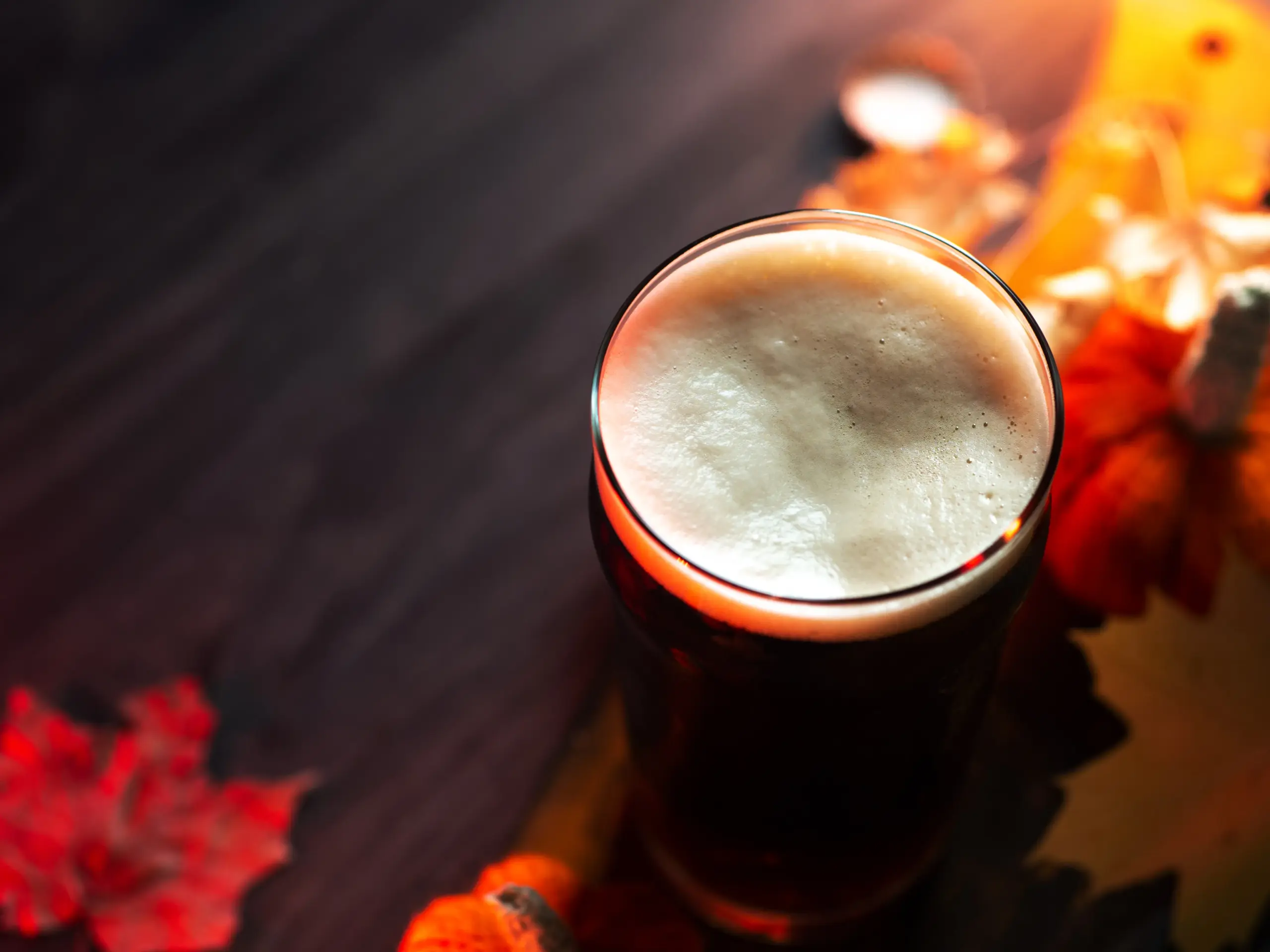
Autumn’s arrival begins in September. It’s when Munich’s Oktoberfest starts, when the leaves begin to change and when the days turn cooler. With the changing of the seasons, the sunny yellows of pilsners, golden ales and even IPAs give way to the colors of the changing leaves in our beers, with reds, oranges and browns coming to the forefront.
Read more Fall films 2026: Plenty of cool movies coming to a theater near you
In the days before refrigeration and the Industrial Revolution, the beer-brewing schedule had to be adjusted to either take advantage of or avoid certain weather that impacted the process. As a result, certain beers came out at the same time each year, and many cultures planned their annual celebrations and holidays around these releases. Thanks to modern brewery technology, today any type of beer can be brewed at any time, but following the natural rhythm of the seasons feels right. So if you’ve been drinking light lagers all summer, now’s the time to switch it up in favor of more robust, darker-colored fall beers.
Fall Colors
So what are fall beers? Essentially, they’re a loose collection of styles that are a little heartier than your summer beers. They have more heft than your average “lawnmower beer” — meant to help sippers cool down after doing yardwork outside in the heat — but are not as strong as bolder winter ales. They tend to use darker malts, which not only make most autumnal beers deeper and richer in color but also yield a greater variety of hues. Summer beers range in color from pale straw to a deep golden, while fall beers are often deep red, bright orange and rich brown.
Reds
Red ales are undoubtedly some of the most striking-colored beers you’ll come across, even if they’re becoming harder to find. These were probably first made in 14th-century Ireland, but most beers called Irish reds today are simply darker amber ales, often made with more kilned malts to give them their distinct color. Other reds include the Flanders red, a sour Belgian style (and a personal favorite of mine) and imperial or double red ales, which tend to mix high malt flavors with big hops.
Oranges
Orange and dark amber colored beers are probably the most common fall beers. Märzens, amber-orange Oktoberfest beers, are full-bodied and possess great malt character with notes that are toasty, bready, biscuity, caramel and roasty. They’re also modestly hopped with herbal, spicy and floral notes and a dry, clean finish. The other Oktoberfest favorite, festbier, is a newer invention and is essentially just a lighter version of märzen.
Read more Girls flag football: Freshman already stepping up big for Los Gatos
There are also plenty of other beers in shades of orange. Many amber ales hue toward a darker orange color, giving them maltier flavors, but also look for Czech amber lagers, Vienna lagers and rye beers.
It’s also impossible to talk about fall beer without mentioning pumpkin beers. While the mania of recent years has faded, you can still find some breweries making them at this time of year. They may seem gimmicky, but they are, in fact, rooted in American colonial history. When resources in New England were scarce, ingenious settlers started brewing beer with pumpkins, as well as peaches, persimmons, Jerusalem artichokes, peas and even corn stalks. Our own Buffalo Bill’s Brewpub in Hayward pioneered modern pumpkin beer in the 1980s, and a variety of pure pumpkin or heavily spiced versions are now available each year.
Browns
Brown ales and porters, while not as dark as black stouts, are strikingly dark compared with almost every other style. That color comes from rich, roasted malt that’s kilned to varying degrees. The malt, in turn, gives the beer loads of malt flavors with caramel, chocolate and nutty, roasted notes.
Another great brown beer is an altbier, which is admittedly hard to find outside of Dusseldorf, as is an English dark mild ale, which few American breweries make, but it’s another favorite style of mine.
Read more California gains 43,000 more jobs than first reported
About the Author