The red Volkswagen had been parked for nearly a full day in the August heat when a customs officer at the San Ysidro Port of Entry began searching the car. Prosecutors allege that it wasn’t long before the officer opened a compartment in the trunk and discovered illicit cargo stashed in several pillowcases that were knotted closed and sealed with tape.
Read more Man killed in shooting at Fremont home
But the content of those pillowcases, according to federal prosecutors in San Diego, was not the drugs or cash most commonly smuggled across the U.S.-Mexico border.
“One of the pillowcases began to move,” prosecutors wrote Monday in a federal court document. “The officer called for backup.”
It was soon discovered that the pillowcases contained 69 exotic reptiles, including three caimans that did not survive, prosecutors said. The discovery was not a one-off incident or the result of luck. Instead, it was the culmination of an 18-month undercover investigation by the U.S. Fish and Wildlife Service into a Chula Vista man and a Tijuana woman suspected of working together for years to illegally traffic exotic but protected reptiles in both directions across the U.S.-Mexico border.
Investigators arrested one of the suspects, 28-year-old Salvador Pelayo, in July. Inside his Chula Vista home, agents allegedly found four box turtles protected under an international treaty known as the Convention on International Trade in Endangered Species of Wild Fauna and Flora, or CITES.
His alleged accomplice, 66-year-old Georgina Bribiesca Chavez, was arrested Aug. 10 while trying to cross into the U.S. at the San Ysidro Port of Entry. It was inside the back of her red Volkswagen, which sat parked at the border crossing for nearly 24 hours after her arrest, that the U.S. Customs and Border Protection officer came across the moving pillowcase. Authorities allege that even after she was detained, Chavez did not inform them of her animal cargo.
Both Pelayo and Chavez have been charged with a single count each of trafficking in violation of the federal Endangered Species Act. Both have pleaded not guilty. Attorneys representing each of them did not respond Wednesday to messages seeking comment.
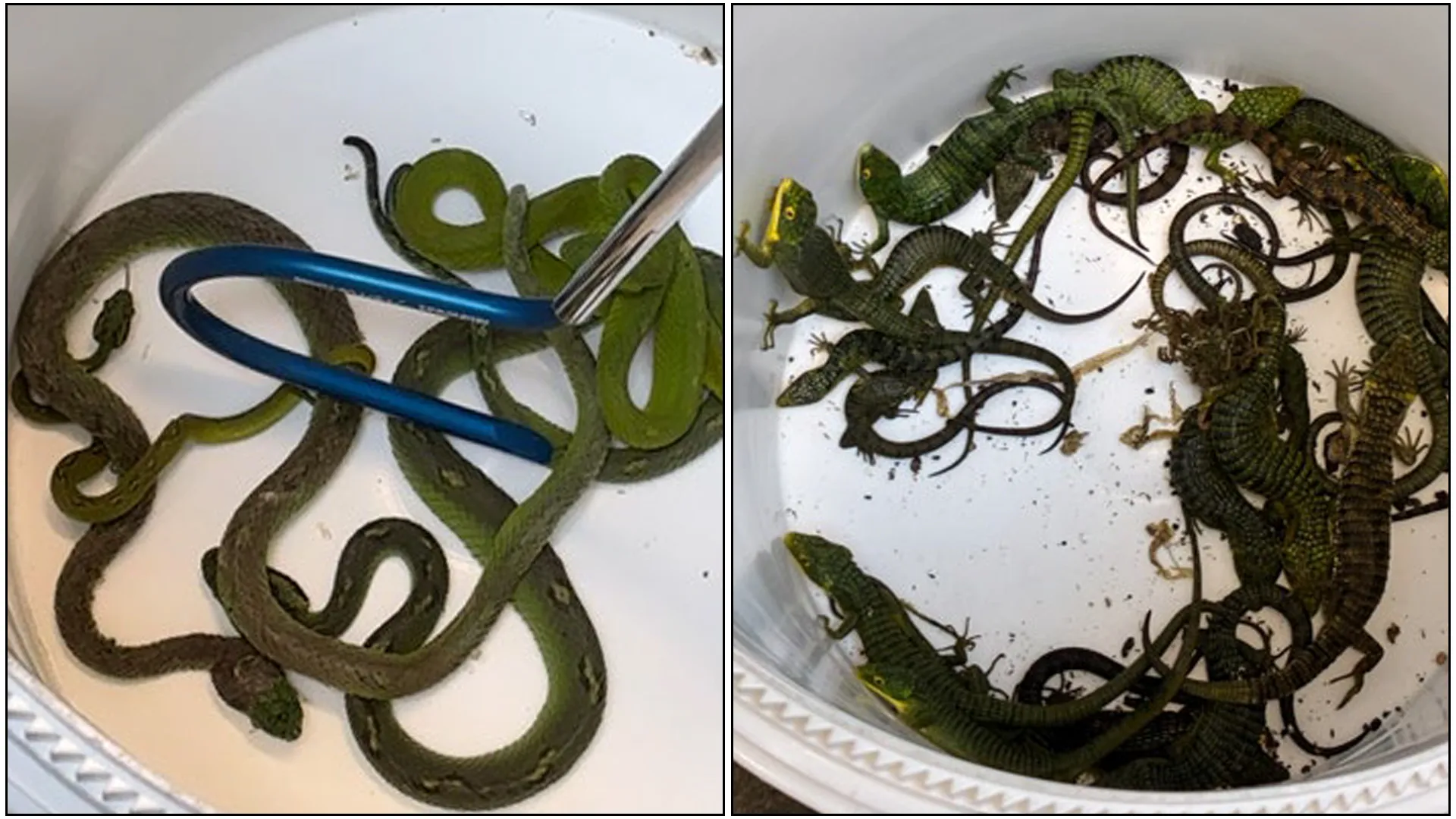
When the CBP officer finally discovered the pillowcases the day after Chavez’s arrest, they were taken to the San Diego Zoo, where animal care staff discovered 60 abronia lizards, four venomous pit vipers, a baby crocodile, an indigo snake and the three dead caimans. Most of the reptiles, which zoo staff estimated were worth a total of $70,000, are protected under CITES, the international treaty, prosecutors said.
Read more Valkyries instant analysis: Sky’s clutch shotmaking overcomes valiant GSV bench effort
“These animals were not cargo — they were living creatures subjected to dangerous conditions for profit,” San Diego-area U.S. Attorney Adam Gordon said in a statement.
Prosecutors alleged in court filings that after Pelayo’s arrest in July, he admitted that he and Chavez previously worked independently in the reptile black market in both the U.S. and Mexico. He allegedly admitted that he began working with Chavez in 2023.
“Surveillance by federal agents corroborates Pelayo’s account,” prosecutors wrote. “He and Chavez have been seen together and separately at shipping centers mailing or picking up boxes containing live animals.”
In one court filing, prosecutors detailed several alleged trafficking events in which undercover agents purchased protected reptiles from, or sold them to, Pelayo and Chavez. Surveillance images show both of them allegedly picking up or shipping packages that allegedly contained protected reptiles, as well as Chavez pocketing a cash payment from an undercover agent.
Although Pelayo and Chavez are currently facing just a single charge each, prosecutors wrote in court documents that additional charges related to animal smuggling could be forthcoming based on the sting investigation and several specific incidents of sales and purchases involving undercover agents.
A judge released Pelayo on bond, but Chavez was ordered to remain in custody after prosecutors argued she was a flight risk because of her limited ties to the U.S.
About the Author