After a proposed plan to quadruple density in San Jose’s residential neighborhoods drew fierce backlash from many homeowners, the City Council has decided to explore a range of options to boost housing instead of adopting a specific strategy.
Read more Popular Bay Area Asian mall adds boba tea chain, gluten-free crepes, craft ramen
“I’m really proud of all the actions the council has taken to be extremely pro-housing, but I do think we need to be really thoughtful about how we manage change in our neighborhoods,” said Mayor Matt Mahan at the meeting on Tuesday night. “We don’t want to settle on one answer … We’re giving a lot of range intentionally.”
The latest vote takes a key step in a years-long process to amend the city’s planning. The council has directed city staff to come back to the City Council with a plan for a final decision in December 2027. While there are not yet dates set, City Council and staff assured that there would be ongoing community input over the next year to ensure residents are involved with the process.
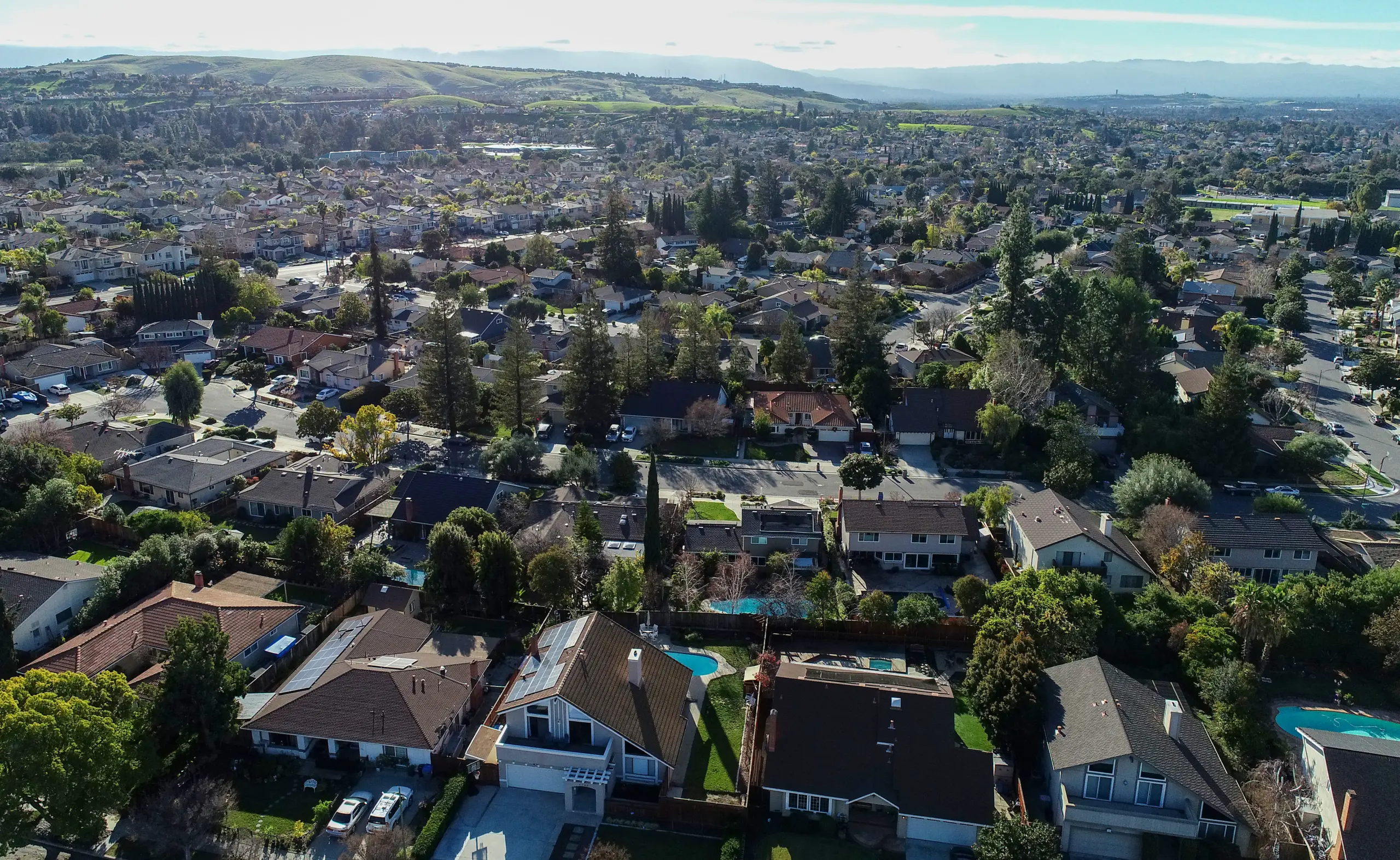
The Planning Commission had recommended quadrupling density limits from eight to 32 units per acre in single family zones, which would affect over 85% of San Jose’s residential land. With the City Council’s Tuesday decision, however, staff will study whether to expand options in single-family neighborhoods to 16, 24 or 32 units per acre.
The measure to expand in residential neighborhoods was a key flashpoint and one part of a broader overhaul of city zoning and housing laws proposed under a review of Envision San José 2040 — the city’s long-term blueprint governing land use, housing and growth first approved in 2011.
San Jose – like the rest of the Bay Area – is falling far behind on its state-mandated housing goals: The city must build over 62,000 housing units between 2023 and 2031, it had built just over a tenth of that number, according to the state’s most recent annual housing progress reports.
At the same time, San Jose remains one of the most expensive rental markets in the country and struggles with persistent affordability issues. According to data from Zillow, the median home sale price in San Jose reached $1.42 million as of June, while the average rent for a two-bedroom property stood at $3,325.
Advocates and planners argued that adding density was crucial for addressing these issues, meeting those housing goals and achieving affordability. According to city staff, state law already allows for developers to increase density on single family lots under certain circumstances – overriding the current limits of the city. Increasing density limits under city law would offer a pathway for more local control of development and design while helping the city meet its state-mandated housing plan.
“It sort of gets us the best of both worlds,” said Chris Burton, Director of Planning, Building and Code Enforcement.
If the city fails to meet its state-mandated housing plan and prepare for the next plan beginning in 2031, it could be subject to a slate of repercussions, such as projects constructed with builder’s remedy – which allows developers to disregard local zoning if they meet certain state development and affordability metrics.
The initially proposed density increase of 32 units per acre would equal around two duplexes on a single-family parcel of an eighth of an acre.
Even so, the majority of those who spoke up at the meeting opposed that proposal, with some carrying signs saying “Save our neighborhoods.”
Read more Police now suspect foul play in Bay Area woman’s disappearance
Many homeowners pushed back against the assertion that the density would result in more affordable housing. They argued that the density would threaten the character of their neighborhoods and the homes that they worked hard to afford, and cited concerns that more density would strain traffic, parking, and utilities. Many claimed the city should focus on building more housing in areas that were already urbanized.
“The community that we have built in this city … to destroy that would be unconscionable,” said Ann Russo, a lifelong San Jose resident. “Once we destroy it, we can’t go back.”
Some who did not own homes maintained that higher density could allow them to achieve the dream of affording a home or allowed them to afford living in San Jose.
“I live in an apartment building. It’s right next to a single-family home … does this make me and my family neighborhood destroyers?” asked San Jose resident Milo Trauss. “No. It makes me someone living in a world-class city that had to be caught up in the results of decades of poor planning decisions.”
Councilmember Anthony Tordillos argued that the increased density was essential because the current approach of adding more density in more urban neighborhoods had not yet borne out. “It is the most vulnerable residents in our community who have disproportionately borne the price of that failure,” he said. “I don’t think we can pretend that the American dream is alive and well when home ownership is so out of reach for so many of our residents here in San Jose.”
Still, others on the council thought the “blanket approach” to densifying housing was inappropriate for the suburban neighborhoods that make up much of the city.
“We’re being asked to essentially take a shortcut, a one-size-fits-all approach that treats the entire city as if every neighborhood is the same,” said Councilmember Domingo Candelas. “It does not sit well with me.”
The council voted 8-3 to approve the recommendations to staff, with councilmembers Candelas, Bien Doan and George Casey voting in opposition.
Beyond the choice to explore more options, the council generally accepted the recommendations of the Planning Commission, with several tweaks and a few notable exceptions. The council also opted to look at minimum parking requirements for residential neighborhoods. The move pulls back on the city’s previous decision to eliminate parking minimums in 2022 to help encourage development. Several city councilmembers maintained that neighborhoods on the periphery of the city struggle with overflowing parking and residents who live in those neighborhoods needed cars – and therefore parking — to get to work.
The council also sought to explore allowing businesses on corners of residential streets, piloting a program allowing more density on the edges of downtown and transit hubs, and potential limits on multifamily housing in areas with moderate fire risk or where residents might have to commute more.
Read more Former Meta engineer says Instagram took a ‘don’t ask, don’t tell’ approach on kids under 13
About the Author