As requests to build massive data centers in San Jose mount amid environmental concerns, the city is asking the public to help shape new policies to regulate them, launching its first public forum Aug. 19.
Read more San Jose senior residential hub lands buyer for $100 million-plus
San Jose has bet big on data centers to drive revenue amid growing fiscal pressure, but rapid development is clashing with community concerns over emissions, grid strain, water use, and noise pollution. Following a May directive from city leaders to establish uniform standards for the facilities, the forum is the first of several to help establish new oversight policies before a final proposal hits the City Council later this year.
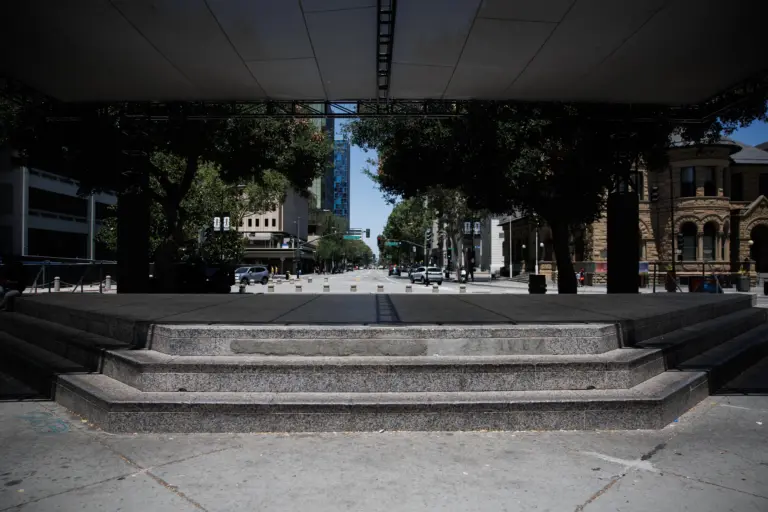
The listening session will be held from 6 to 8 p.m. in the wing rooms at San Jose City Hall.
“Residents can share questions, concerns and priorities to help shape standards for data centers and large-load energy projects,” the city said in a press release. The proposed standards are expected to reach the City Council in December.
The session comes as cities across the United States contend with data centers sprouting up in local communities — triggering pushback almost anywhere they are built as the demand to power artificial intelligence grows.
“As Washington refuses to establish a uniform national standard, and Sacramento in turn has ceded the responsibility to localities, San Jose is stepping up to lead the charge — and asking residents to help define the path forward,” Mayor Matt Mahan said in a statement. “We could bury our heads in the sand, say ‘no’ and push the jobs and industries of the future to states with fewer environmental safeguards, or we can do what California does best: lead the nation forward with a blueprint for responsible development.”
San Jose is quickly shaping up to be the Bay Area’s data hub epicenter.
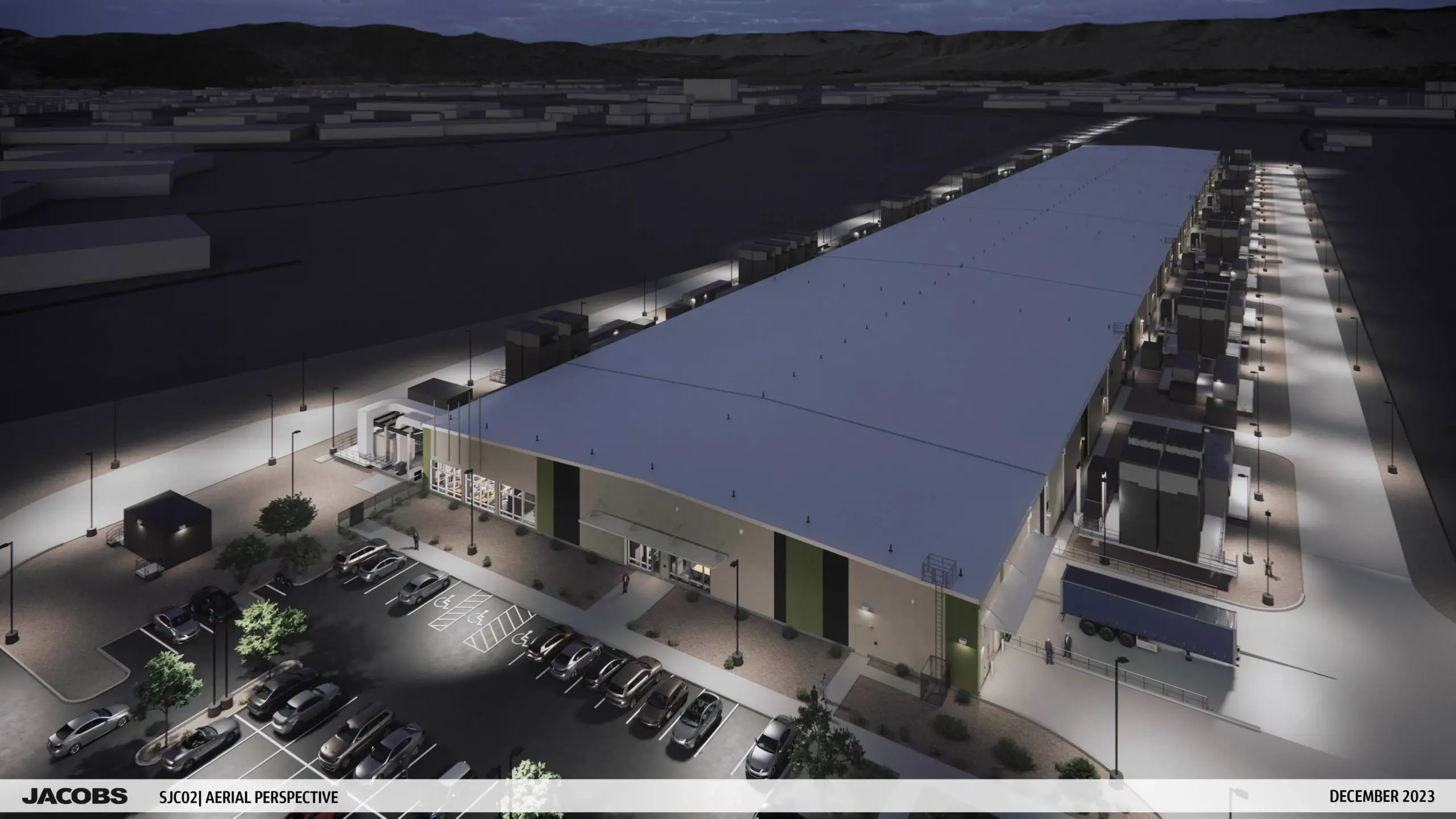
According to PG&E data, in San Jose alone, the utility has received requests to supply electricity to 11 projects totaling 1,630 megawatts of capacity — enough for 1.2 million homes, or more than three times the number of housing units in the city. Meanwhile Hayward comes in at second place, with four projects totaling 975 megawatts.
The city’s website shows three approved data centers and seven pending applications — in addition to a separate approved “large energy-use” facility that the city does not classify as a data center.
Read more National Night Out: List of public parties in the Bay Area
While considering environmental regulations, San Jose — which is contending with projected multi-million-dollar budget shortfalls over at least the next two years — also sees data centers as an opportunity to generate substantial revenue.
“A new 99-megawatt data center fully ramped up and running would provide an estimated $3.5 to $6.4 million annually in new property tax and utility user tax and require few, if any, additional City services,” a March 2025 memo to the City Council said.
However, rapid development has already sparked local challenges.
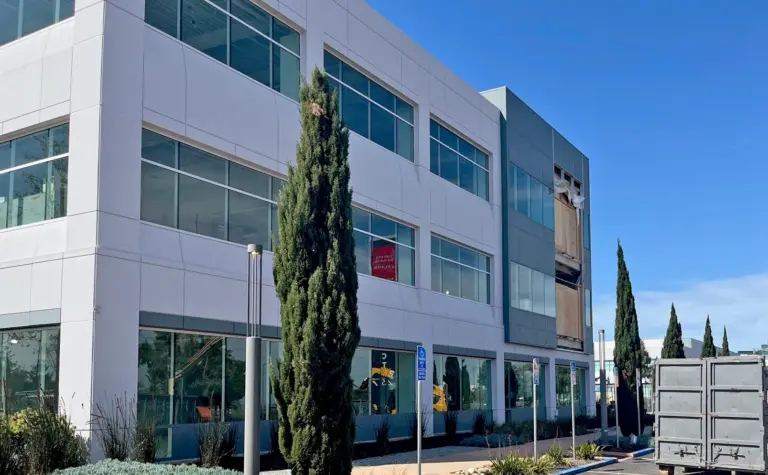
Last July, a coalition of labor organizations filed an appeal of an approved data center inside a building in North San Jose. That appeal is expected to be heard in October.
Other cities in the Bay Area dealing with proposed data centers include Oakley, Pittsburg and Brentwood in Contra Costa County, as well as Gilroy in South Santa Clara County.
“The public response to recent data center proposals has made it clear that we need to approach data center development differently in San Jose. We must establish strong environmental protections and quality-of-life standards that safeguard our neighborhoods,” Councilmember Domingo Candelas said. “Equally important is a transparent and meaningful community engagement process that brings developers, residents, and the City together early and throughout the process. Technological innovation should not come at the expense of the quality of life our residents deserve.”
Visit the City of San Jose’s planning website for more information on upcoming sessions and updates on data center developments.
Read more 25 states sue over Trump administration’s latest tariffs, citing Supreme Court ruling
About the Author