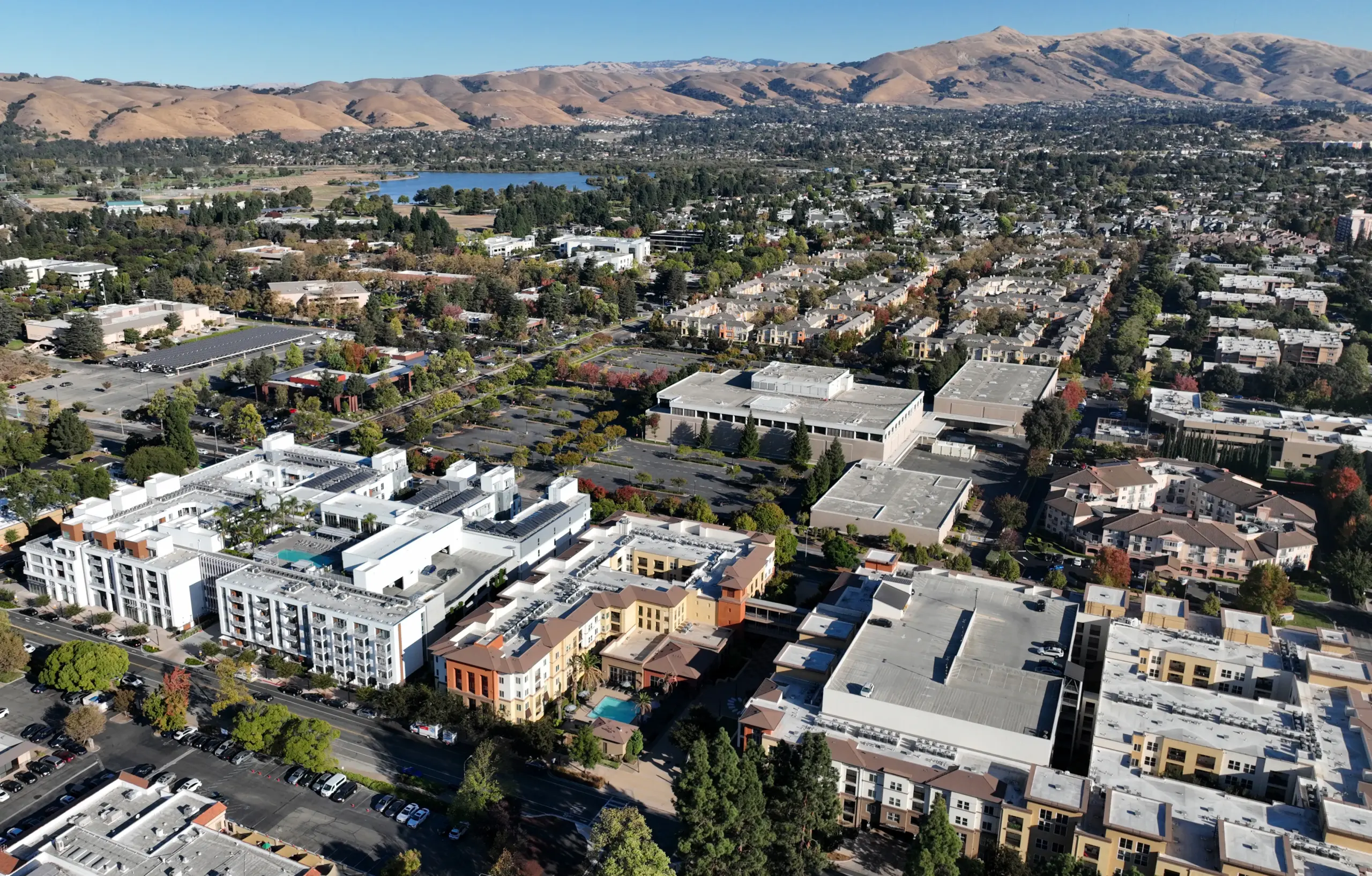
FREMONT — The Fremont City Council won’t place a new half-cent sales tax measure on the November ballot. Officials estimated it could have generated between $30 to $35 million annually.
Read more Letters: Local control crucial to coastal towns like Half Moon Bay
The council on Tuesday voted unanimously to defer the matter to the future, as councilmembers doubted the measure’s chance of prevailing given its $1 million price tag and late timing in the election season.
“I’m not sure, even looking at the data, we have any confidence that we would pass this measure by 50% plus one, even if we put it on the ballot,” Councilman Yang Shao said. “The data tells us otherwise.”
City officials previously said the measure was needed to supplement more than $6 million cut out of the city’s fiscal year 2025-26 budget. It would have increased the city’s sales tax rate to 10.75% as the city faces an estimated $427 million budget for the 2026-27 fiscal year.
The city has so far spent about $325,000 in expenses for preliminary studies of the proposal, including $169,500 in consulting and public opinion surveying, and $155,500 in graphic design and marketing, according to the city.
Officials in 2025 first studied placing the measure on this year’s ballot, with an August 2025 survey showing that about 60% of surveyed voters would potentially support the increase. However, the latest survey results from the city’s pollster, FM3 Research, shows the approval rating of a potential new tax dropped below 50%.
Councilmember Desiree Campbell asked FM3 Research consultant Cole Below if his organization had any information on whether a ballot measure with such poor public support had prevailed in a previous election.
“I cannot recall some place where support was really consistently five points or more below a vote threshold and then went on the ballot and passed,” Below told the council. “Usually they just don’t go on the ballot when numbers look like this.”
Read more San Jose Sharks’ first round draft pick finalizes plans for upcoming season
Campbell said the measure could be an important tool for recouping the $6 million the city cut in this year’s budgeting process, but not if the measure was destined to fail.
“It would be very disheartening, and it would not be an effective use of public funding,” Campbell said. “I would be inclined to not move forward with this, given the information that we received, given the financial state that we’re already in.”
One critic of the measure, resident Felix Lechner, told the council during public comment that he couldn’t believe the council had let the measure get this far without a clear limit to how long the proposed tax would remain in effect.
He urged the council to consider adding a clear expiration date on the proposal if they wanted to win voters’ approval in the future.
“I don’t care what the courts say. A tax in effect until abolished by voters does not have a definite term. Why didn’t you pick 100 years? It would have been more honest than eternity,” Lechner said. “Your constituents deserve more candor and you should probably get a new consultant.”
Elsewhere in the East Bay, Pleasanton officials similarly proposed a first-ever half-cent sales tax, Measure PP, to voters in 2024.
Officials there billed the proposal as a temporary fix to an ongoing $100 million deficit. The measure failed at the ballot box, with 54% voting against it.
Read more The Bay Area has a massive shelter shortage. More beds alone won’t solve homelessness
About the Author