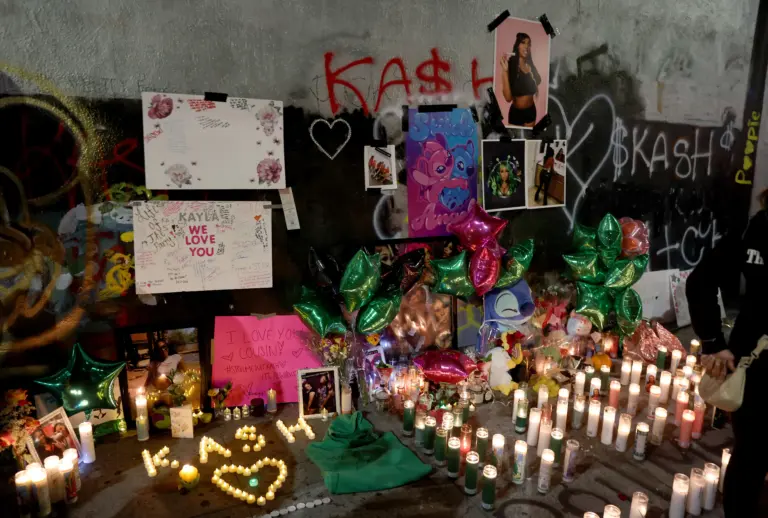
SAN JOSE — The retrial for Antolin Garcia Torres in the 2012 disappearance and presumed death of Sierra LaMar — who remains missing nearly a decade-and-a-half later — reached a key stage Monday when the Santa Clara County Superior Court assigned the case to a judge, moving the trial a big step toward getting underway.
Read more World Cup match brings soon-to-be classmates together in San Jose
Attorneys estimate that the trial will take four months, or roughly the same amount of time as the original 2017 trial that ended with murder and kidnapping convictions for Garcia Torres, according to court documents. Garcia Torres, 35, is currently in Santa Clara County jail custody and will be held there for the duration of his trial, after being transferred earlier this month from Corcoran State Prison.
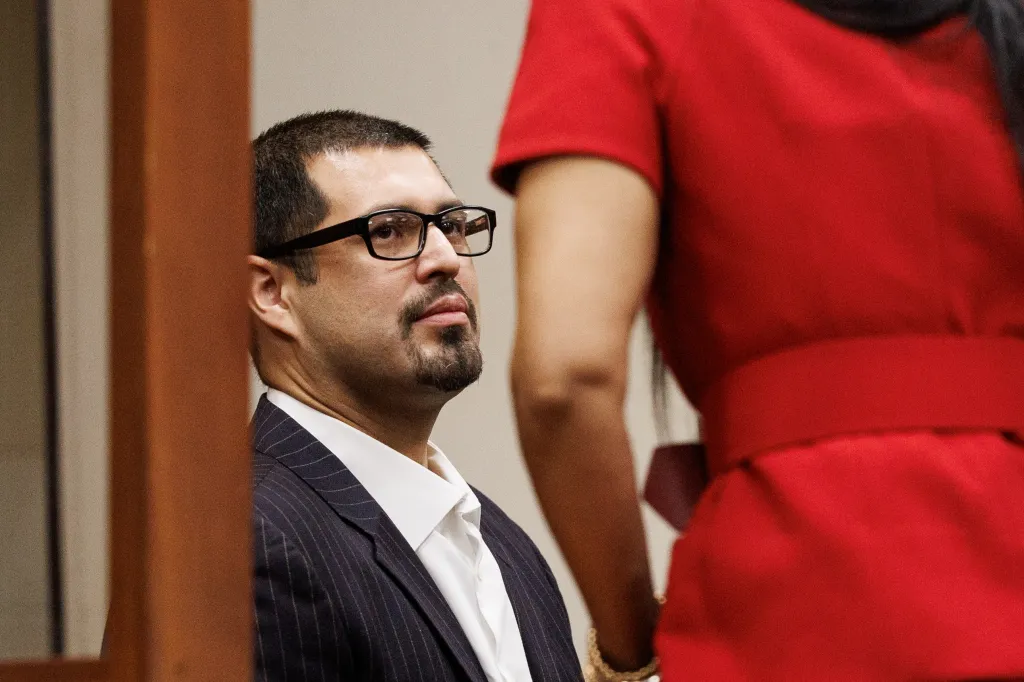
At a San Jose court hearing Monday where Garcia Torres was in attendance clad in a black pinstriped suit and white collared shirt, his case was assigned to Judge Brian Buckelew. The judge will hold his first pretrial court hearing with the prosecution and defense attorneys July 15. The trial start deadline was also pushed to late August.
Now that the case — revived by a conviction reversal earlier this year — has been assigned to a courtroom, the judge will hear evidentiary and other pretrial motions that will set the parameters for trial. The court will also prepare for jury selection, the final pretrial phase before opening arguments get the trial underway in earnest.
Kenney said his office “is focused on preparing for trial, and we will be ready for trial.”
“We will never stop searching for Sierra and we will never stop fighting for her,” Kenney said Monday.
Attorneys and the court are working under a relatively short timeline. The Feb. 27 ruling by the 6th District Court of Appeal overturning the convictions became final May 13, when the California Supreme Court formally declined to review the opinion.
Garcia Torres then invoked his speedy trial rights and created a July 13 deadline to begin formal trial proceedings. But on Monday his defense, led by Deputy Alternate Defender Al Lopez — who represented Garcia Torres in the first trial — requested a limited time waiver that set the trial start deadline for Aug. 27.
Legal analysts told this news organization last week that the prosecution, as it did nearly a decade ago, will present a circumstantial case that will focus on incriminating DNA connected to Garcia Torres: a stand of Sierra’s hair found on a piece of rope in his car trunk, and his genetic material found on Sierra’s pants that were found abandoned in a field in the vicinity of where she was last seen. That is juxtaposed against the defendant’s claim to investigators that he never met the 15-year-old girl.
Those analysts also said that Garcia Torres’ defense, buoyed by an appellate ruling that cast doubts about the strength of the evidence given that Sierra’s body has never been found, will likely challenge the forensic evidence and characterize the theory of her killing as speculation but not proof beyond a reasonable doubt.
Read more Harry Styles collapse at London concert caused by choking, not heat
Renee Figueira, a San Jose resident who helped lead eight years of massive volunteer-organized searches for Sierra’s remains in the Morgan Hill area, attended Monday’s hearing and recounted the grief many of her colleagues experienced when learning the murder conviction was overturned.
“Here we go again. You know, we were here 10 years ago. A lot of us were,” Figueira said outside the courthouse.
She said their resolve to see justice for Sierra, and keep taking tips and clues to find her body, remain strong.
“We made a vow to bring her home,” Figueira said.
The second trial was seeded after the appellate court ruled that the 2017 trial court erred when it consolidated three attempted kidnapping allegations against Garcia Torres from 2009 — three years before Sierra’s March 16, 2012 disappearance while walking to a bus stop in unincorporated Morgan Hill — to be tried with the murder charge.
Presiding Justice Adrienne Grover wrote in the appellate ruling that the previous allegations — accusing Garcia Torres of trying to force his way into women’s cars in supermarket parking lots in three separate instances — did not sufficiently resemble the prosecution’s theory of Sierra’s disappearance, namely of Garcia Torres luring or forcing her into his car.
As a result, Grover wrote, the prosecution’s claims of the prior cases being a “training ground” for kidnapping and killing Sierra improperly influenced jurors, giving them the latitude to convict Garcia Torres of murder based on the cumulative threat he presented rather than the individual merits of each alleged crime.
The appellate ruling correspondingly ordered that in a retrial, prosecutors cannot introduce the three prior attempted kidnapping allegations as evidence in the murder charge. The three charges will still be prosecuted, but separately in accordance with the court order.
The court also prohibited prosecutors from arguing that Garcia Torres acted with premeditation, rejecting their claim that the fact Sierra’s body still has not been recovered is proof of deliberate planning. Instead, the court found that the continued absence of Sierra’s remains indicated “insufficient evidence to prove beyond a reasonable doubt that (the) defendant committed willful, deliberate, and premeditated murder.”
Attorneys are next scheduled to return to a different courtroom July 6 to take up a subpoena for records related to Garcia Torres’ prison custody, on a parallel track to the trial.
Read more For America 250, relayers will carry the Declaration of Independence across the U.S.
This is a developing story. Check back for updates.
About the Author