DEAR JOAN: I’m not sure this question is in your wheelhouse, but here goes.
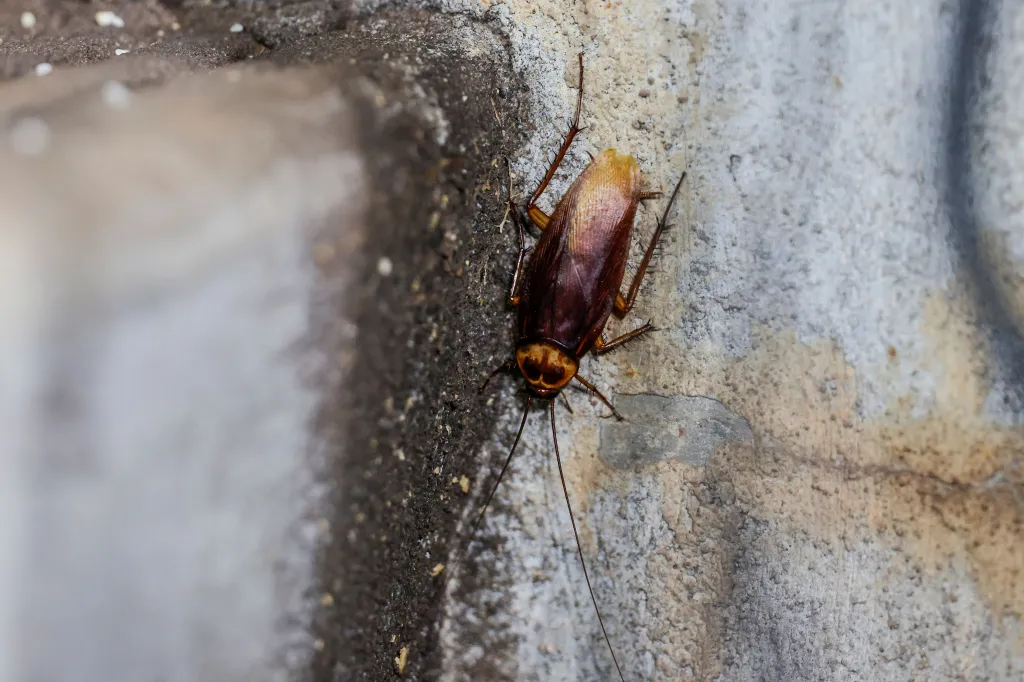
After decades in my house, in the past six months or so, I’ve been seeing large beetle-type bugs outside, as has at least one of my neighbors. I’ve also seen a few in my garage. We’ve now identified them as, probably, Oriental cockroaches. How did they get here, and where have they come from? I live in a house built in 1960.
Read more No, Spencer Pratt did not receive only 0 votes in one of the LA mayoral race tallies
— Dawn Isis, Campbell
DEAR DAWN: Unfortunately, cockroaches are in my wheelhouse, and it’s pretty disgusting in there.
The Bay Area is “enjoying” a bumper year for roaches thanks to the cycle of warm temps and late-season rain. Most of us have seen the American cockroach, which is reddish brown and about 2 inches long, but we’re also seeing the Oriental, which is a little over 1 inch long and is dark brown, and the Turkestan roach which is yellowish tan and about an inch long.
The Turkestan, originally from Afghanistan, is an invasive species that has adapted well to California’s climate.
Roaches like the damp, so you’ll find them around sprinkler heads, water leaks and any moist conditions.
Roaches likely are already in your home, but they’re good at hiding, coming out at night. If you walk into your kitchen and flip on the lights, you’ll likely see them scatter. Don’t freak out if they run toward you. When exposed, they try to hide and instinct tells them to look for the tallest object in the room, knowing they should be able to hide under it. Unfortunately, you might be the tallest thing they see.
Chemical warfare might be needed to control a serious invasion, but sealing off cracks and crevices that lead into your home, clearing debris and leaves from around your home, and keeping your lawn mowed will help.
Read more MS-13 gang members convicted in gruesome Angeles National Forest murders
A swath of gravel, 6 to 12 inches wide, around your house and other structures can discourage roaches from entering. Avoid over-irrigation and check for leaks. Inside, make sure food in your pantry is sealed up, and keep your counters clean. You might need to store things in sealed plastic containers.
DEAR JOAN: I opened a chicken egg to fry for my breakfast this morning. It had two yolks in it. What happens to eggs like these in the wild? Do they hatch twins?
— B.C., Cupertino
DEAR B: The yolk is not an embryo — the biological thing from which a chick will grow. It’s just a food source for the embryo, so a double-yolk egg, if fertilized, would still only have one embryo and one future chick.
The cause for the double yolk is that something has gone a bit wonky with the hen’s reproduction cycle and she has released two yolks instead of one.
A double-yolk egg is considered a sign of good fortune, so congrats on that. Only about one in 1,000 eggs will have a two-fer, and they’re most common in young hens that have recently started producing and in older hens whose cycles are getting a bit out of sync.
Twins growing in an egg are extremely rare, and typically are not viable.
The Animal Life column runs on Mondays. Contact Joan Morris at [email protected].
Read more Inman: World Cup fever should hit Bay Area despite lackluster draws
About the Author