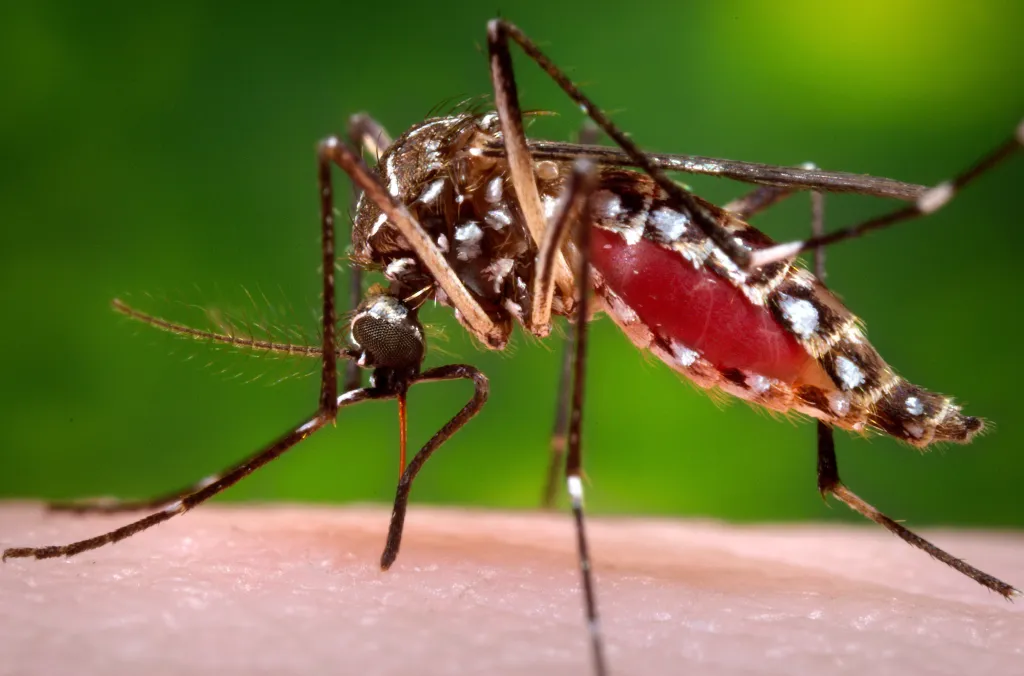
Property owners approved increased fees to fight against pests and invasive mosquitoes, offering a financial lifeline to the Santa Clara County organization which works to prevent illness by monitoring and controlling the populations of pests that carry disease.
Read more San Jose man arrested after allegedly shooting firearm into vehicle
Earlier this year, the Santa Clara County Mosquito and Vector Control District was staring down a $3 million dollar budget deficit as costs and demand for their services increased, even as they cut costs. So in March it sent out ballots asking property owners to approve an increase to a fee on top of property taxes that could allow it to close its deficit and fend off growing threats from invasive mosquitos and other pests.
Ballots showed just over 51% of votes – which are weighed to how much the property owners would pay – were cast in support of the new fee. Tuesday, the Santa Clara County Board of Supervisors certified the results and voted to authorize the measure.
“It’s a very important milestone for us,” said Jeremy Shannon, Assistant Manager for the Mosquito and Vector Control District. “The approval displays the community support for our services, and this … will allow our district to continue and enhance the important work we do.”
As part of its work, the District tracks diseases that are carried by pests like West Nile Virus or ticks that carry Lyme disease. It also helps to limit those pests through programs like spraying pesticides to control mosquito populations and responding to concerns about mosquitos, rodents and wasp removal. The new funding, Shannon said, would allow the organization to improve its monitoring of diseases and increase its response rates which can be particularly important to stopping pests and disease before they spread.
Read more Stockton rappers plead guilty to possessing machine gun, marijuana in Arkansas traffic stop
The funding will also help them better respond to the most recent threat to the county: Aedes aegypti, an invasive mosquito that can carry diseases such as dengue, yellow fever – which can be deadly – and Zika, which can lead to serious birth defects. The insect is also aggressive – often biting the same person multiple times, and unlike native mosquitoes — which are most active in the morning and evening — the invasive pest bites throughout the day. The Aedes aegypti mosquitos were first found in San Jose in 2022, and have since been spotted in cities throughout the county including Milpitas and Gilroy.
The fees are expected to generate about $8.5 million annually, and the increase will go into effect with property tax bills this year, costing an additional $15.75 for a residential household.
The fee will be reviewed for renewal annually by the Board of Supervisors and could be adjusted for inflation. More information on the fee and rates for different types of property is available at stopmosquitoes.org/funding.
Read more Kurtenbach: Trent Williams isn’t being weird about retirement; you shouldn’t be, either
About the Author