More than 1 million Californians could lose health insurance as the Trump administration restricts access to Medi-Cal, the government coverage program for low-income people. In an early warning sign, more patients without insurance are already arriving at Bay Area hospitals.
Read more ‘What’s the Plan?’ Crisis Response at the Chi Phi House at Cornell
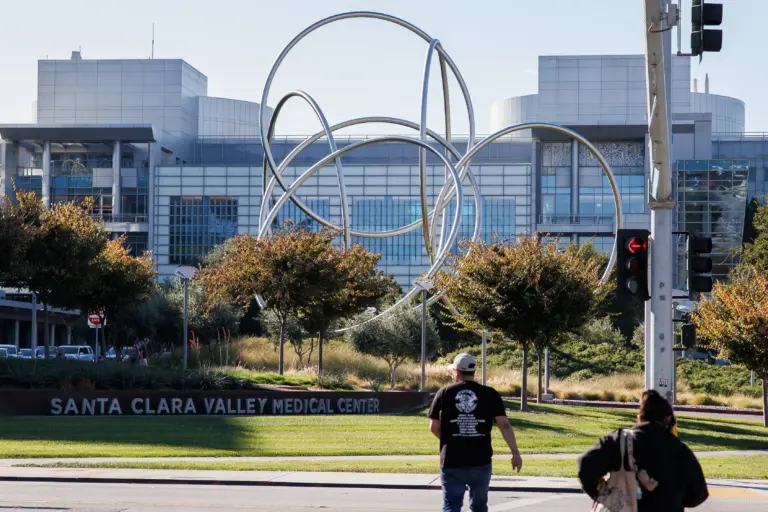
Hundreds more uninsured patients per month were treated this summer at Santa Clara Valley Healthcare hospitals and emergency rooms, said CEO Paul Lorenz. The major safety net health provider plans to spend at least $25 million more this year on subsidized care for those who can’t afford to see a doctor and is redesigning programs to absorb more patients.
RELATED: East Bay hospital workers ‘die’ to rally support for billionaire tax
“We’re just seeing the beginning of what we see as a major problem for access to healthcare,” Lorenz said.
At Santa Clara Valley Healthcare’s four emergency rooms, visits of patients without insurance grew from about 2,300 in January to 2,600 in July, a 13% rise, said spokesperson Roger Ross.
About 125 uninsured patients were hospitalized each month in the fiscal year that ended in June. That number has since doubled to about 250 per month, Ross wrote.
The Silicon Valley health network isn’t alone in treating more uninsured patients.
At St. Rose Hospital in Hayward, part of Alameda Health System, staff participating in a “die-in” protest of the Trump administration cuts to health spending said the number of uninsured patients seen each day has spiked there as well.
And in Vacaville, Napa and other North Bay locales, the nonprofit network NorthBay Health projects a 20% increase in visits of uninsured patients this year compared to 2025, spokesperson Sharon Song wrote in an email.
That’s concerning to advocates and health policy experts on two fronts. They worry patients who lose coverage will skip preventative care visits, and then land in emergency rooms with more serious conditions. That would strain emergency room capacities and raise costs for health providers — compounding their financial challenges in an era of declining government health coverage.
“We are already hearing across the state that more people without insurance are coming in,” said Katie Rodriguez, who leads the California Association of Public Hospitals. “I think that’s only going to grow as we head into ’27.”
That’s when a Trump administration rule criticized by Democrats and health advocates goes into effect, requiring certain Medi-Cal enrollees to work, volunteer or go to school part time. It is part of President Donald Trump’s signature 2025 law, the One, Big Beautiful Bill Act, and applies to adults without young children, with exceptions for those with disabilities and serious health conditions.
Read more How Reno lives up to Nevada’s ‘most haunted’ reputation for Halloween
Also next year, California will freeze new Medi-Cal enrollment for undocumented immigrants and reduce access to benefits in other ways, as part of budget measures passed this year by Gov. Gavin Newsom.
Congressional Republicans passed the national work requirements last year as a budget-saving measure; federal analysts projected $326 billion in budget savings over a decade. The requirements are expected to hit Californians hard: 1.3 million people are expected to lose Medi-Cal health coverage by 2030, mostly due to the eligibility restrictions, according to a state agency.
Medi-Cal enrollment is already declining in California. In Santa Clara County, for example, enrollment has dropped from about 425,000 in 2024 to about 355,000, according to the county social services agency. Fewer Californians are also buying health insurance through the state Affordable Care Act marketplace — likely adding to the state’s growing ranks of people without coverage — after congressional Republicans allowed tax credits for health plans to expire at the beginning of the year, increasing the cost of premiums.
Plus, immigrants without legal status may be less comfortable signing up for Medi-Cal out of anxiety that personal information would be accessed by immigration agents, Rodriguez said.
California’s Medi-Cal cuts are slated to hit next year. Facing tens of billions of dollars in federal cuts annually, Newsom has opted to freeze enrollment in Medi-Cal for undocumented immigrants starting in January, and then start charging immigrants at least a $30 monthly premium in the summer.
The upshot? Providers at Bay Area hospitals, and emergency departments in particular, will likely see more and more patients without insurance this fall and next year, advocates said.
“Despite the fact that millions of Californians are projected to lose health care coverage in the coming years, their health needs won’t change,” said David Simon of the California Hospital Association. “That means more Californians who will turn to hospital emergency departments for the care they need.”
In Silicon Valley, Lorenz has described the federal cuts as a major budget challenge for Santa Clara Valley Healthcare.
Last year, county voters approved a sales tax increase expected to generate about $340 million annually. The county Board of Supervisors in June directed all of the sales tax revenue to Valley Healthcare, which is operating this year with a $4.7 billion budget. So far, administrators have not made major cuts to services or jobs.
Read more Monday Morning Lights: What’s behind Milpitas’ 5-1 start under new coach?
About the Author