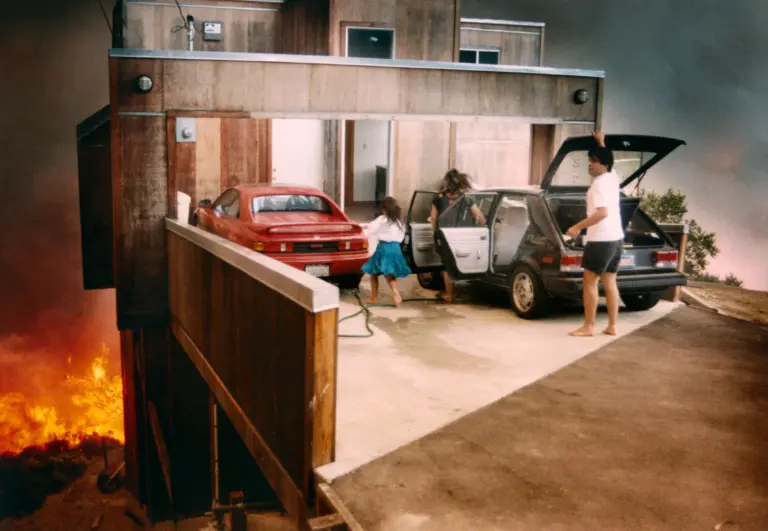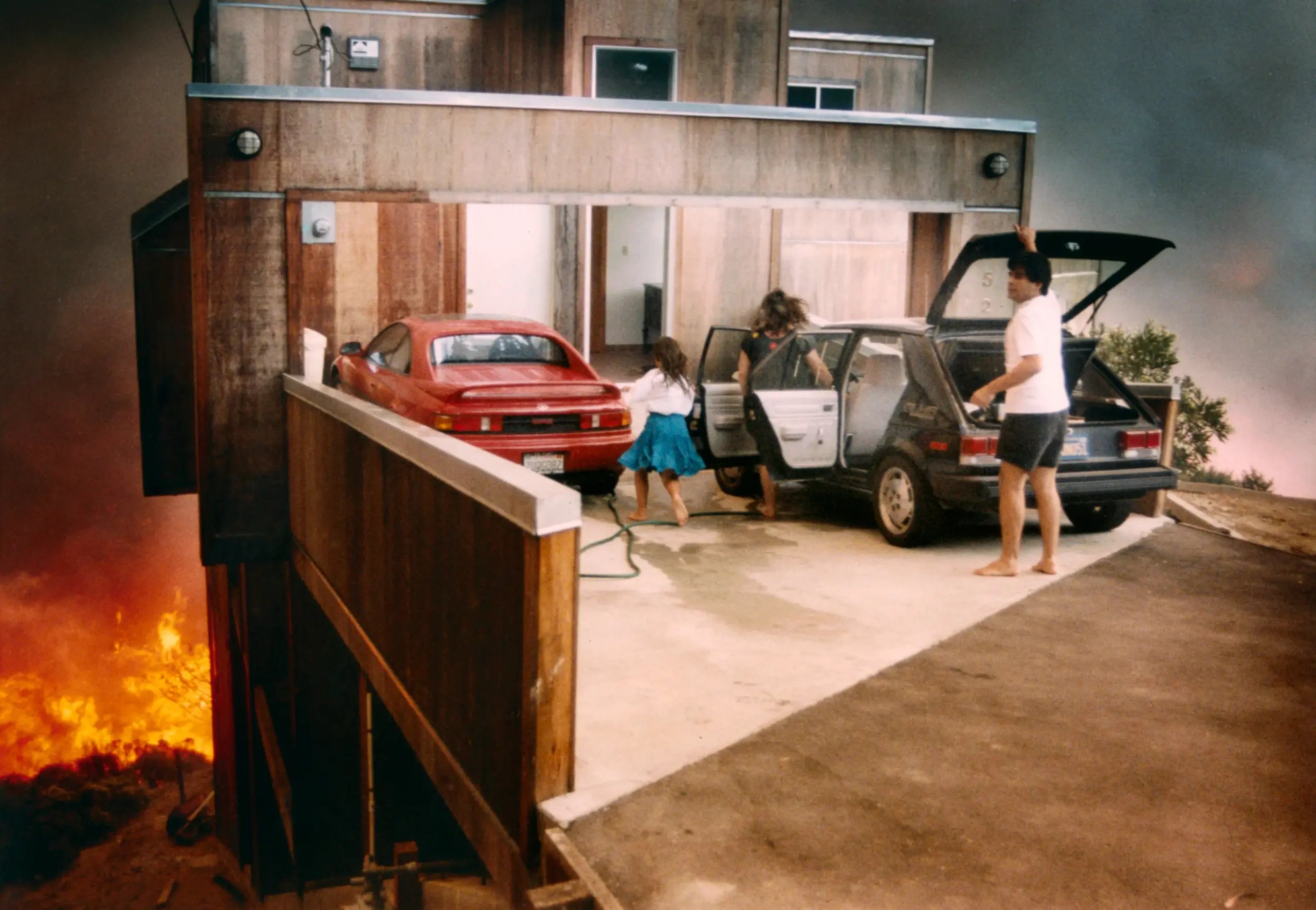
Former East Bay fire ranger Scott Hill wasn’t scheduled to work on Oct. 20, 1991, but when he stepped outside his home in Lafayette that morning and felt the hot, dry Diablo winds from the East, he thought, “Boy, I hope we don’t have a fire today.”
Read more Horoscopes October 21, 2026: Judge Judy Sheindlin, the past is now a lesson
The Tunnel Fire that erupted later that morning became a landmark event for California firefighting efforts along the edge of residential communities and open space.
“The Tunnel Fire was the most destructive interface fire in history,” Hill said, now a watershed and recreation manager for the East Bay Municipal Utility District. “And that has quickly been usurped by other, larger, more devastating fires, both in terms of lives lost and property damage. It just keeps escalating.”
It is difficult to overstate how devastating the Oakland hills fire was at the time. Over just five days, it led to the destruction of 2,843 homes and 437 apartment units across less than 1,600 acres. The total cost of damage was estimated at $1.5 billion. By its end, 150 people were injured and 25 had died.
The event was considered the most destructive wildfire in California history for 26 years, according to CalFire. But in the past decade, three of the top-five most destructive fires – two in Los Angeles in January 2025 and the Tubbs Fire in Sonoma County in 2017 – have proven the destructive potential for what experts call “interface fires.”
The Tunnel Fire began on Saturday, Oct. 19, 1991, as a small fire on a private property in the Oakland hills. While no cause has ever been conclusively determined, the fire was believed to be extinguished by Oakland firefighters, the state and East Bay Regional Park District crews, according to the district.
The next day, embers fueled by the Bay Area’s infamous Diablo winds, with 60 mph gusts, ripped through oak and laurel trees, jumping from home to home at a rapid speed. By the time former ranger Hill arrived above in the Caldecott Tunnel, the sky had turned black as the neighborhood was evacuated.
“Essentially, there’s people everywhere. Some people are in cars trying to flee. Some people are running down the street, families running down the street,” Hill said. “It was pandemonium.”
Oakland resident Tiffany Eng was a senior in high school living in Orinda at the time, after her parents had recently purchased a townhome in the Oakland hills. When the firestorm swept through various neighborhoods, she lost not only her home, but her beloved 6th grade teacher and a girl from her high school who was the disaster’s youngest victim.
“I think about the fire a lot,” Eng said. “I remember the day the sky turned to orange here. I remember the command center setup at Claremont and Ashby with a giant board listing all the streets and lines through them saying ‘GONE.’ I remember seeing the entire neighborhood reduced to ash.
“I still get anxious this time of year when the warm winds whip up our narrow canyons like a chimney chute.”
Above the Caldecott Tunnel, Hill was leading a task force dedicated to protecting homes along Grizzly Peak Boulevard as the fire moved from the ridge below. But the tails of flames were escalating up the ridge faster than crews could protect, preheating houses from below to collapse in upon themselves. Even worse, firefighters had lost water pressure at the pumps, he said.
“I had been on other big fires, but not fires that involved so many structures,” Hill said. “So many houses burning down and just seeing the futility of everything we were doing.”
Read more Harriette Cole: My mom has enlisted the church in her campaign against this woman
At the end of the first day, Hill said he looked over the ridge and turned to the firefighter next to him, saying, “I think this is just going to go all the way down Broadway to Jack London Square.”
The night offered a respite to firefighters and an opportunity to make progress against the blaze, he said. As the winds shifted to bring cool San Francisco Bay air into the ridgeline, Hill said he finally expressed hope that they might be able to save the Oakland flats.
The Tunnel Fire forced local agencies and governments to overhaul almost everything about combating fires at the edge of cities, which have come to be known as wildland urban interface fires.
In response to the Tunnel Fire, the state legislature passed a bill in 1993 that ordered local municipalities to designate very high fire hazard severity zones such as the Oakland hills, meaning that when red flag conditions present high fire danger, fire engines from as far away as Marin County are called in to respond to the threat and air attack resources are put on notice, Hill said. Today, fire agencies across the region cross-train together to prepare for major fires, including wildland fires, residential fires and wildland-urban interface fires.
East Bay Municipal Utility District has also revamped its infrastructure, particularly related to pumping stations. The district has buried electrical lines to its higher-elevation pumps and has developed various generator systems as redundancies to protect water sources for firefighting, Hill said.
“During the Tunnel Fire, all our pumping stations were aboveground and relied on electricity from aboveground. Now, many of those pumping plants and the power that provides them has been undergrounded, so it’s more resilient,” Hill said. “Even in the event of a loss of power, they could continue to pump to the higher elevations and refill the reservoirs to ensure that they do have water supply.”
East Bay residents like Eng have dedicated copious amounts of time to organizing their own communities to prepare for wildfires, too. Over the past 10 years, Eng said she’s purchased an emergency radio, hosted preparedness workshops and is currently training to get her Community Emergency Response Team certification — which she attributes to being a “lifelong Girl Scout.”
Yet while the Tunnel Fire has harmed so many, some of its scars have begun to fade.
Berkeley resident Anne Wagley had lived on Alvarado Road, located in the Claremont neighborhood at the Berkeley-Oakland border, when she fled the fire. After it was finally brought under control on Oct. 23, 1991, Wagley returned and walked through the ashes of her old neighborhood.
At the corner of Alvarado and Vicente, she took note of a giant charred redwood tree.
“Over the years, the tree has given birth to at least 12 redwoods, which have grown up in a ring around the original tree,” Wagley said. “I walk by this redwood family every day and am grateful for the strength and resilience of the earth and the trees that have risen from the ashes.”
Read more ICE agents arrest person near Santa Clara County Main Jail
About the Author