Tokyo Game Show starts this week, and gamers in Japan have a chance to demo some of the upcoming projects from publishers. Capcom is bringing several projects to the floor, and I had a chance to check them out at a preview event in San Francisco this week.
Read more WPBL: Los Angeles Queens rally past San Francisco Firebells, win Game 1 of championship series
Two of them stood out. The first is “Mega Man: Dual Override,” a game I previewed before, while the second is “Monster Hunter Wilds: Ascendance,” an expansion to the acclaimed entry in the series. Both are coming out in 2027.
Here are some quick thoughts:
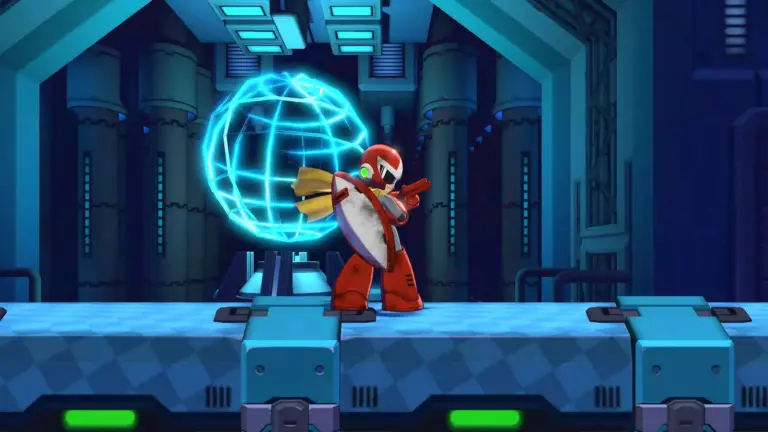
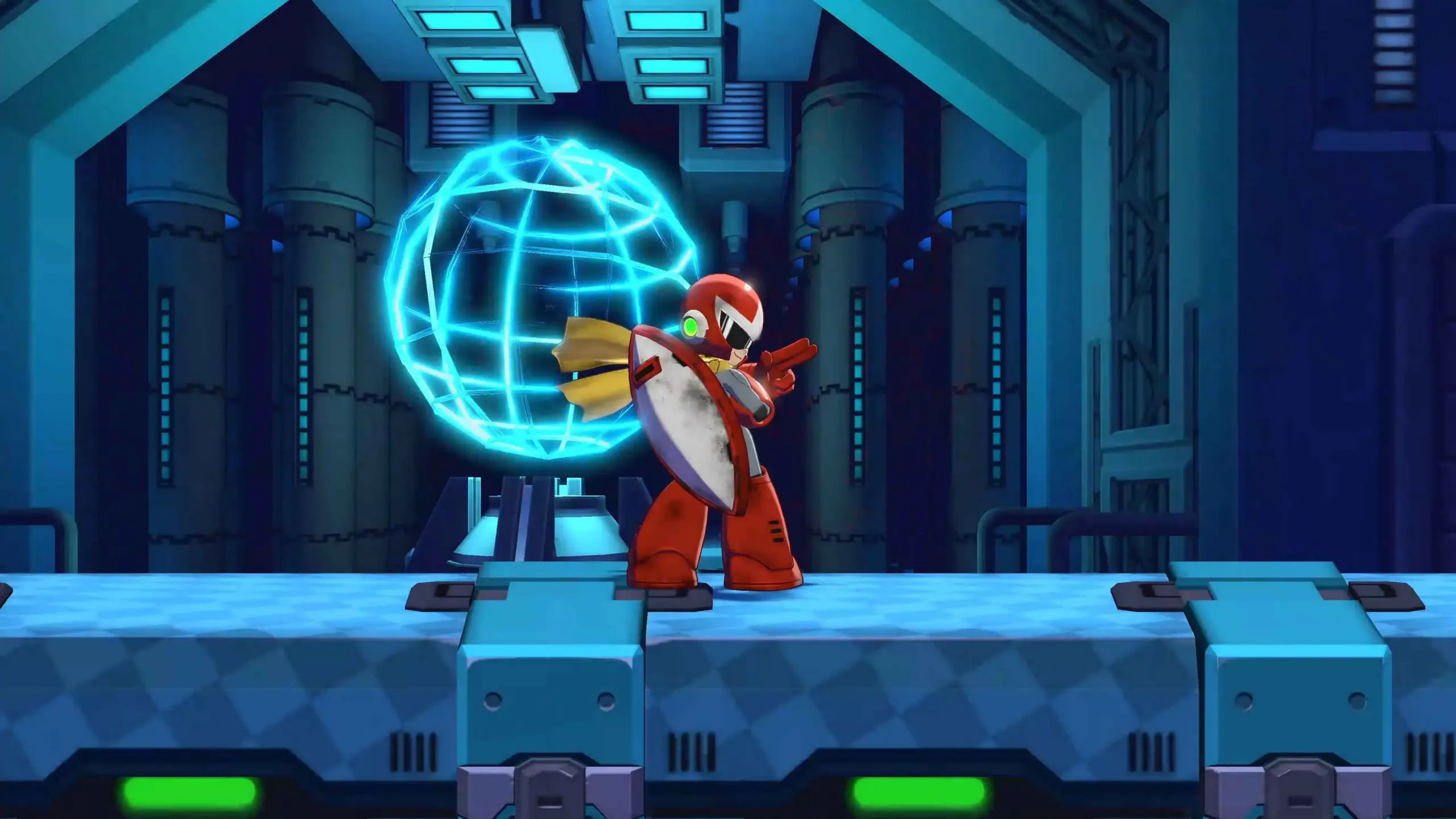
“Mega Man: Dual Override” — Capcom’s new entry into the series impressed me the first time I played it. In my second go-around on the PlayStation 5, I played as Proto Man, the lone-wolf ally of the Blue Bomber and his older brother. He’s essentially Racer X to Mega Man’s Speed Racer. In the TGS demo, I played a version of the character that had an offensive chipset.
I played through the Twinkle Girl levels and noticed several different elements about Proto Man.
- Shield moves: He carries a shield with attacks tied to the Triangle button. Standing still lets him throw it like a boomerang, while pressing forward and Triangle lets him perform a dash attack. The last move is an upward vertical attack that looks like a Shoryuken. Using them on enemies doesn’t make him invincible. He’s vulnerable toward the end of the attack animations, so it can be risky using them against some enemies.
- A new meter: The shield moves are tied to a meter that revs up with each use and falls slowly over time. This prevents players from using these powerful moves too often. If players spam the attacks, it fills the meter and causes Proto Man to malfunction.
- Shorter-range attacks: Unlike Mega Man, this protagonist’s blasts have a shorter range that goes a little less than a third of the screen. That means Proto Man has to get up close to his enemies to eliminate them. The same goes for his charged shot, but on the bright side, the attack seems to be more powerful than Mega Man’s, and if players use the strike in midair, it turns into a sword slash.
The different play style made Twinkle Girl’s stage different. His shield dash made some platforming easier because it lets him leap over a wide area while protected. The close-quarters combat also made some fights harder. Minibosses such as Astro Bot forced Proto Man to battle close in, and I had to react faster to attacks.
With Twinkle Girl, it was much harder because, though I memorized her attack patterns and learned how her firework attacks exploded, I had to deal with pixel-thin real estate when dodging blasts and her charges. I eventually learned to use the Charged Shot and offensive chipset to whittle away her health. It was best to use Override and its power when her health is low because the aftermath of the power-up is brutal, and Proto Man’s attacks fire much more slowly. Override is an ability that’s used for a burst of offense, with players knowing they pay for it with a severely weakened Proto Man.
“Monster Hunter Wilds: Ascendance” — Capcom offered two battles. The first was headlined by the familiar Elder Dragon Teostra and the second was Araketa, the new monster. I was solo, so I opted for the new monster that was introduced with the expansion. I also used the new Boost Bracer mechanic with the Switch Axe.
The Alpha Araketa is a monster that leads a pack, and it’s like fighting a magpie with a battering ram for a head. It constantly flies around players and dive bombs them. It also has a few other tricks up its sleeve — well, really, its wings. Inside them are turbine-like elements it uses to blast players attacking from behind. It also uses that turbine to spin itself around.
Although it can use those attacks, Araketa’s main defense is slamming its head into players. If players deal enough damage, it takes off along with its brethren. They fly in formation before altogether slamming into the ground. They do this constantly, which makes the fight annoying. It’s almost like battling Paolumu, but with less windup.
I didn’t have a dung bomb, so I couldn’t separate it, so I had to deal with Araketa and its pack for most of the fight. With the demo being 20 minutes, I didn’t have much time, and I had to dispatch it quickly, which meant relying on the Booster Brace mechanic, which acts as a sudden burst offense. I found that it was best to use when there’s an opening after it slams its head down and pauses a bit.
That’s when players should press R1, Triangle and Circle all at the same time, and it activates the attack. On the Switch Axe, it’s almost like a chainsaw revving up, and an upward sweep slashes at the monster before players can follow it up with more attacks. Thankfully, the Booster Brace charges quickly, so players can use it several times in a hunt. It also has three tiers that build up over time.
Although I couldn’t find dug, the new environment did have some environmental hazards I could take advantage of. It had a rock-like pillbug creature called a Grodon that I could toss at Araketa for 300 damage. Paralyze toads were in another area. These could be useful if players don’t want to lay a trap. The fight was difficult given the time limit, but it was satisfying to fight and figure out this new monster.
Read more Newsom signs ‘Leno’s Law,’ easing smog checks for some classic cars
About the Author