What makes a hit in entertainment? For theme park attractions, two new books unlock some of the mystery behind the magic.
Read more Vintage 1991 video of Green Day rocking a Santa Rosa High School lunchtime set resurfaces
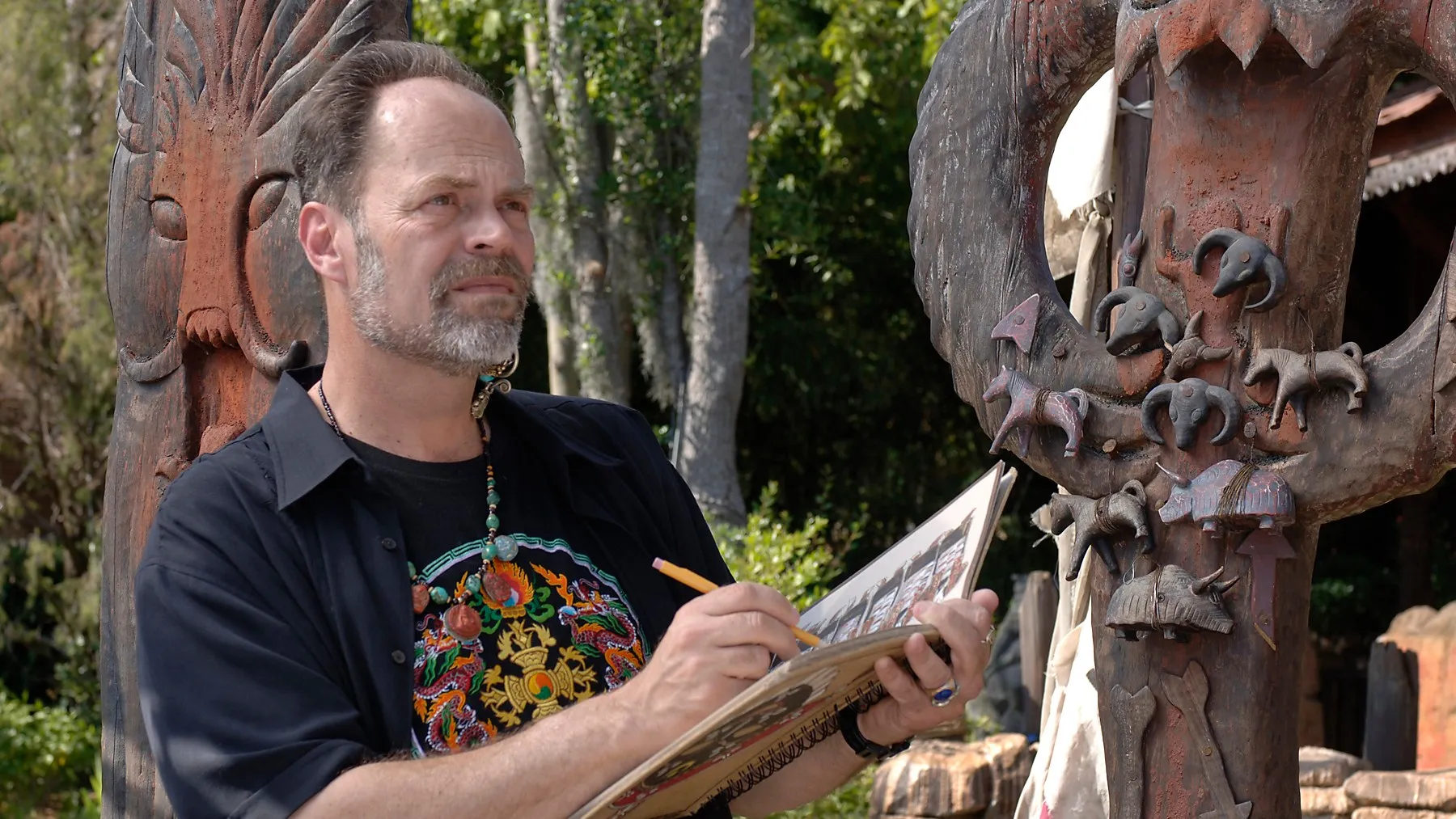
Disney Legend Joe Rohde’s first book, “Floating Mountains,” invites readers to consider the nature of creativity and how it inspires people. In the book, Rohde shows once again why he has earned his nickname as the professor of theme park design.
But this is no dry, academic textbook. The book’s subtitle, “The Art of Imagining the Impossible” is a bit of misdirection, because — spoiler alert — the magic that Rohde and his teams have created for Disney over the years turns out very much to be possible, because they did it. Rohde’s book helps readers better understand how creative artists make such works happen.
Rohde has been sharing the secrets of effective creative design with the public for years through his Instagram account. Rohde told me that “Floating Mountains” functions a bit as a giant, paper Instagram post, in which he can offer more detail and more insight than social media ever allows.
One of Rohde’s common topics in his talks and posts over the years has been how biology shapes our need for and methods for storytelling. In his book, Rohde develops that thesis, illustrating how the art of creative design is really a science. You don’t start with a blank sheet of paper. You start by reading what others have written about unlocking the connection between biology and design. To that end, “Floating Mountains” includes an extensive bibliography for those who want a deeper dive into the science behind creativity.
Designing and building theme park attractions takes far more than a single artist. Such complicated projects demand the work of diverse teams, and Rohde explains his philosophy for gathering and managing such teams. Top-down management can replicate, but it cannot create, Rohde argues.
Read more GFiber employee accused of taking customer’s explicit video during internet installation
For that, a team needs the direction of a theme, from which team members can express stories and experiences that will engage an audience. That formula has worked for a generation through projects from Disney’s Animal Kingdom to Guardians of the Galaxy: Mission Breakout.
Rohde offers a theoretical understanding of creativity, but theme park industry hall of fame member Bob Rogers dives into the applied science of theme park design.
In his first book, “Deep Story,” Rogers offers a tool box of tips and techniques that he and his teams have used to create attractions and exhibitions that create deep emotional connections and reactions from visitors. That’s the “deep” in “Deep Story.”
Rogers shares a delightful anecdote about working in Disneyland’s magic shop, where he learned both the “show” and the “business” in show business. The real, lasting trick is not in the sleight of hand but the emotional connection that a performer can forge in just a moment with viewers. If you can deliver that for even the most skeptical viewer, then you can build a business through your experiences.
The ultimate compliment fans can pay creators is a desire to want to learn more about their work. With these new books, Rohde and Rogers have invited the public to do just that.
Read more Skelton: Wildfire bill flameout sad for California
About the Author