California has come to the end of the numbers in its license plate sequence, and is switching to a new format.
Read more San Jose: Firefighters extinguish blaze at duplex that caused roof to collapse
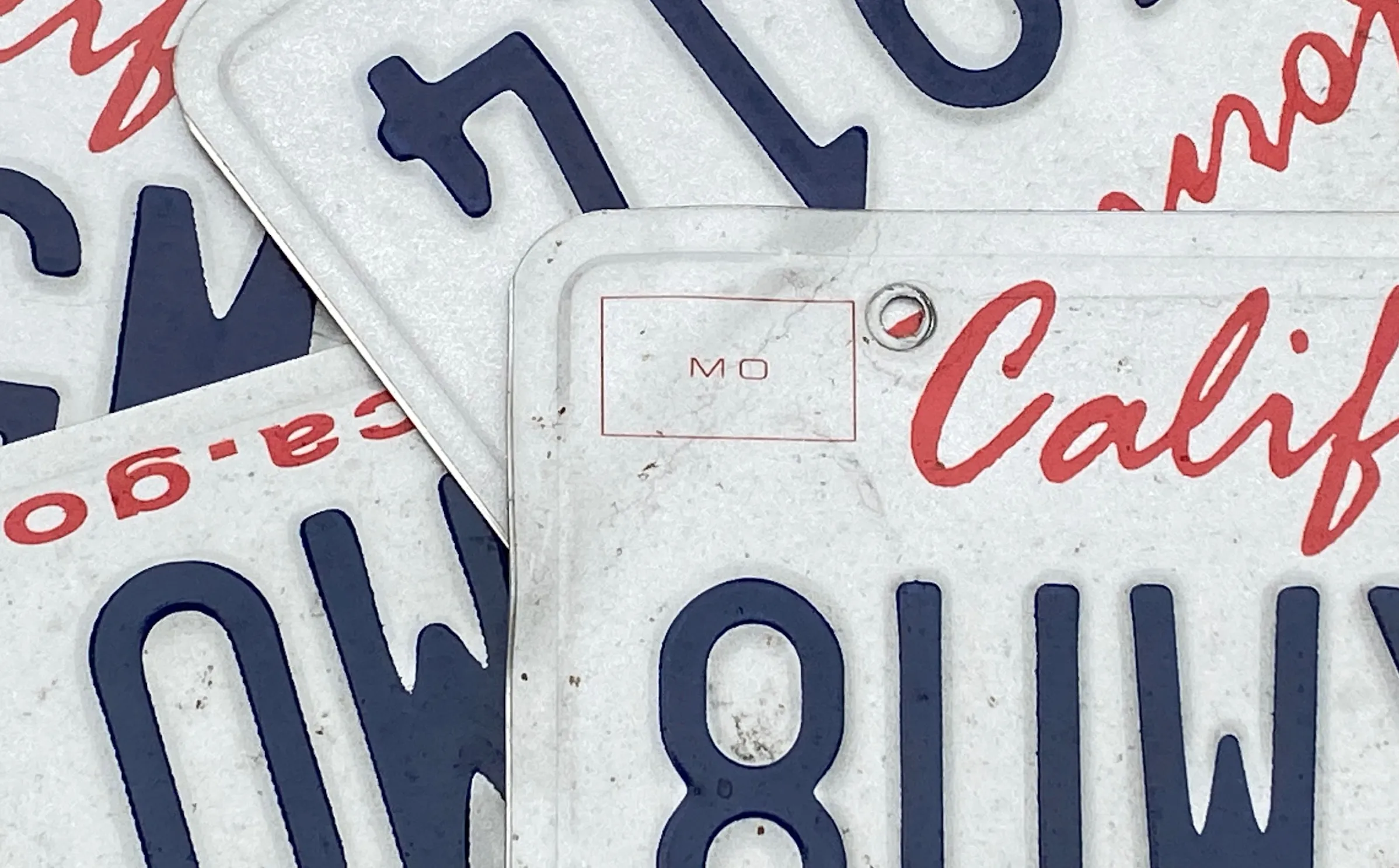
Since 1980, the state has used a seven-character sequence: one number, three letters, three numbers. (Before then, it had been six characters since 1956 — three numbers, three letters.)
Three years ago, the Department of Motor Vehicles estimated the format would be tapped out in late 2026 or early 2027, and that prediction is holding true. Plates starting 9Z were on the road this summer — and there are social media reports since last month that the new sequence has been sighted.
The DMV calls the new format “mirrored”: It flips the sequence to three numbers, three letters, one number (e.g., 000AAA1). Photos posted of recent sightings indicate that they’ll be issued in order of the last four characters, starting with AAA1.
Read more Leaving California? Here are best states to move to in 2026
California’s plates are made at the prison in Folsom, which turns out about 45,000 a day, a DMV spokesperson said.
In addition to its standard plate — reflective white with blue license number and red script “California” — the state has 14 special interest license plates. For plates with personalized numbers, some designs allow two to six characters, some two to seven.
Read more Influencer Olivia Oras, 27, dead after liposuction ‘gone wrong,’ family says
About the Author