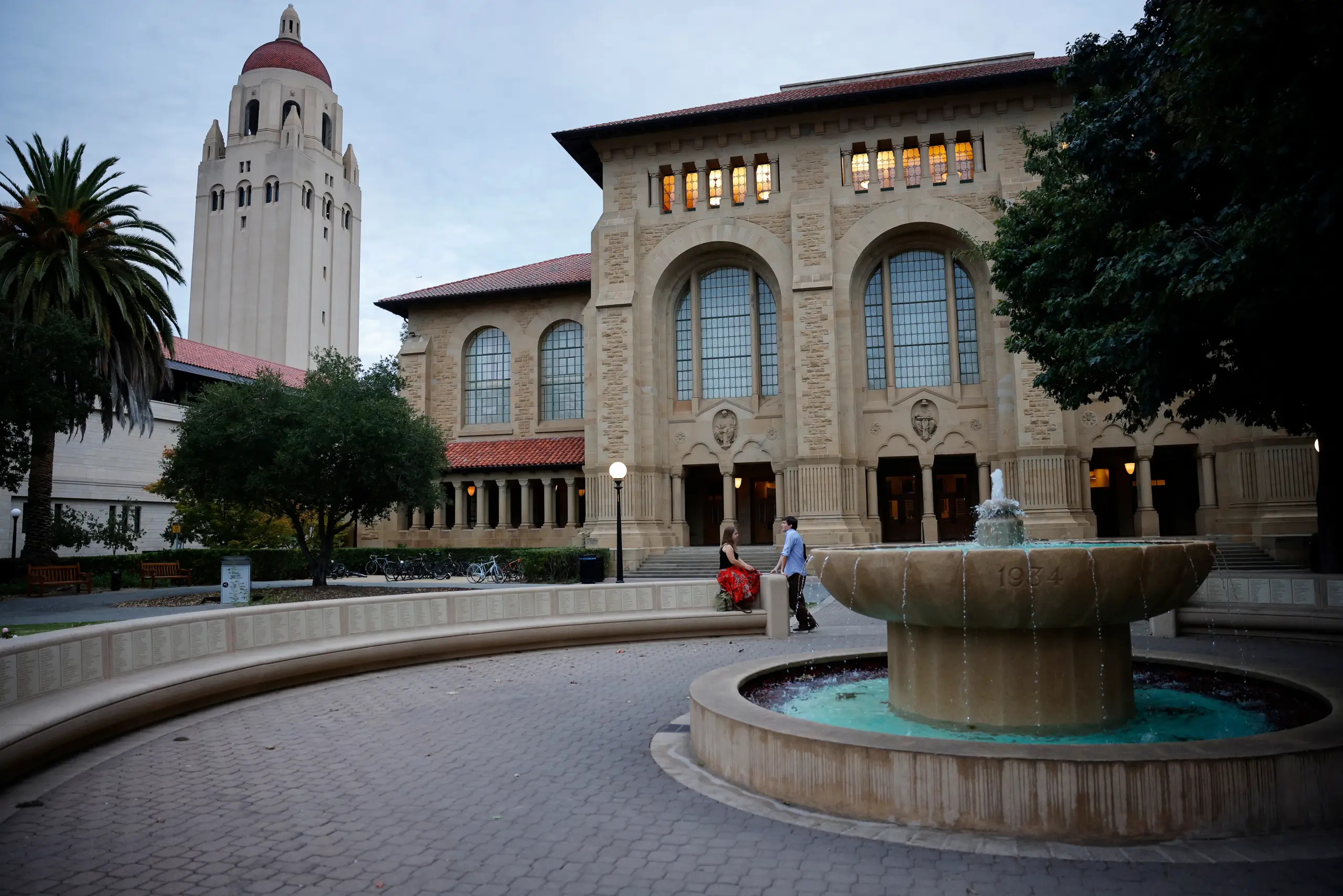
After a decade of back-and-forth disputes with Santa Clara County officials over a permit that would allow Stanford University to develop its campus, the school has unveiling plans to add new facilities over the next 20 years, including up to 1.8 million square feet of academic building space, 500 affordable housing units for staff and 2,500 beds for students.
Read more Golden State Valkyries playoff tickets ready to go on sale, here’s how to get them
The university on Wednesday submitted an application to Santa Clara County for an updated general use permit, which is a land use approval that will determine whether Stanford, which is located on an unincorporated part of the county, can follow through with their plans.
The application will head to the Planning Commission for review before it moves to the Board of Supervisors for final approval, a process that could take up to two years, according to the university.
Stanford’s current general use permit was approved in 2000, and the university has reached its development limit tied to permit. In 2016 the university submitted a permit application to the county proposing larger-scale building and housing developments, but withdrew it a year later following pushback from the county and several San Mateo County cities because the application lacked community development funding and affordable housing opportunities.
Wednesday’s application calls for adding 500 housing units for Stanford workers at the intersection of Quarry Road and El Camino Real. The university is also proposing the creation of a $100 million fund to support regional affordable housing, transportation, education and other partnerships, according to the application.
For the 18 months, the university has hosted open houses with residents across Palo Alto, East Palo Alto and Mountain View to gage feedback on their development plans as part of an initiative called StanfordNext, according to Whitney McNair, Stanford senior associate vice president and StanfordNext project executive.
“We undertook a dedicated effort to listen closely to the ideas and concerns of residents in our neighboring communities,” McNair said in a statement. “From the beginning, a key goal of this planning effort has been to ensure the plan reflects the university’s academic needs and simultaneously responds to the shared needs and priorities of our region as a whole.”
In a statement, Santa Clara County Director of the Department of Planning and Development Jacqueline Onciano said the county will “diligently” process the use permit, and that public participation and outreach will form a “fundamental part of the process.”
In 2016, Stanford submitted an application to develop 2.275 million square feet of new facilities, including 2,600 new units of student housing and 550 faculty housing units. It was the largest project ever reviewed in the 169-year history of the county.
Read more Santa Clara County among top locations for data centers in US, report shows
As part of county requirements for new developments, Santa Clara County wanted Stanford to allocate 16% of its non-student residential units for affordable housing, which the university challenged.
Stanford went as far as to submit a lawsuit in federal court, claiming the county was unfairly singling them out by adding the affordable housing requirement. A federal judge in October 2019 dismissed the lawsuit and sided with the county, saying the university failed to show a similar property owner that was treated differently by the county’s housing requirement.
Neighboring San Mateo County cities also criticized Stanford’s plans claiming the university would “reap all of the rewards” from the expansion while leaving taxpayers to deal with “heavy traffic, impacted schools and environmental consequences.”
They wanted the university to collaborate on a deal to “compensate” the cities, including by establishing a fund to create affordable housing, fund bicycle and pedestrian pathways and contribute to roadway improvements.
Tensions between Stanford and the county peaked in April 2019, when Stanford made a side deal with the Palo Alto Unified School District to pay $138.4 million over 40 years to accommodate hundreds of students that the expansion plan could bring to the district.
The school district’s deal hinged on the county agreeing to the development plan with Stanford, and was discussed when such promises violated the rules of the development agreement process, said former Supervisor Joe Simitian at the time. But Stanford said it did not believe the agreement between the university and district violated the ground rules.
The university withdrew the permit just days before the board’s final hearing on the project, stating that it “acknowledge obstacles” and wanted to “commit to a new phase of engagement and dialogue with its surrounding communities” before applying again.
Read more Here’s what beer is the most popular in every state
About the Author