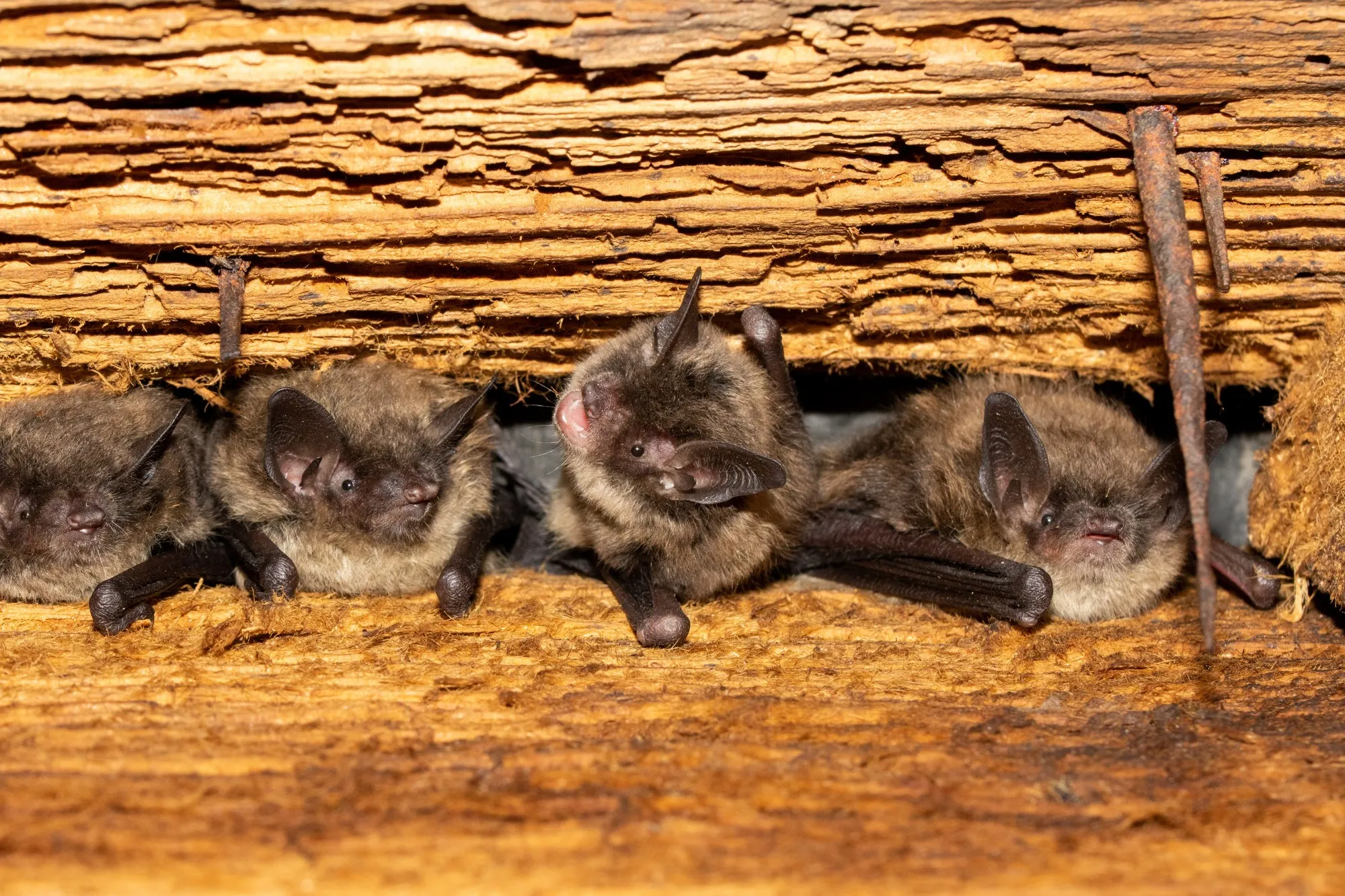
Three Humboldt County children were treated for exposure to rabies in the past two weeks, the Humboldt County Department of Health and Human Services reported on Friday afternoon.
Read more How SF Giants Eldridge has transformed his defense at first base
“One incident took place in Manila and the other incident took place in the Sunset Avenue neighborhood of Arcata. Both bats involved subsequently tested positive for the rabies virus,” a post on the DHHS Facebook page stated.
Public Health leaders are urging Humboldt County residents to not touch bats as part of its messaging. Bat exposure is the leading cause of U.S. human rabies cases, according to the Centers for Disease Control and Prevention, accounting for 83% of cases, according to a 2024 report.
“Experts say rabies is always present in the wildlife population throughout Humboldt County, especially among bats, skunks and foxes,” the post stated. “Preventive measures include avoiding contact with wild and stray animals, bringing pet food indoors at night, reporting animal bites to your county or municipal animal control officer, and if you are bitten, washing the bite immediately with soap and water and seeking medical attention.”
The post noted that it’s also important to vaccinate domestic animals — including pet cats and dogs as well as some livestock — against rabies.
Public Health officials stress the importance of fully vaccinating domestic animals against rabies, including dogs, cats and select livestock.
“Dogs and cats are naturally curious and will often approach a wild animal that they find. If your pet finds or catches a bat, call local animal control to collect the bat,” the CDPH website states.
Humboldt County did not have any reported cases of rabies among local wildlife in 2024, the last year for which data is available from the California Department of Public Health. But the 2023 report had one reported case of rabies in a fox locally.
The Centers for Disease Control and Prevention urges reaching out to healthcare officials immediately after exposure.
“Anyone with a possible bat exposure, even in the absence of a recognized bite, should immediately report the encounter to a health care provider or to public health officials for risk assessment, consideration of options for bat testing, and PEP administration, if indicated. Increased awareness of the potential risk for rabies after any bat interaction, even without a visible bite wound, might help prevent deaths.”
For questions about rabies or to report a rabid animal, please call the DHHS Division of Environmental Health at 707-445-6215 or toll-free at 1-800-963- 9241.
About the Author