Imagine a Bay Area without one of its eight signature bridges that connect the region.
Read more Opinion: A stronger Oakland starts with stable housing that supports stronger families
Whether you commute to work on that bridge or not, chances are its elimination will have a materially negative impact on your commute. And if that bridge was your primary link between home and office, get ready for a painful lifestyle change.
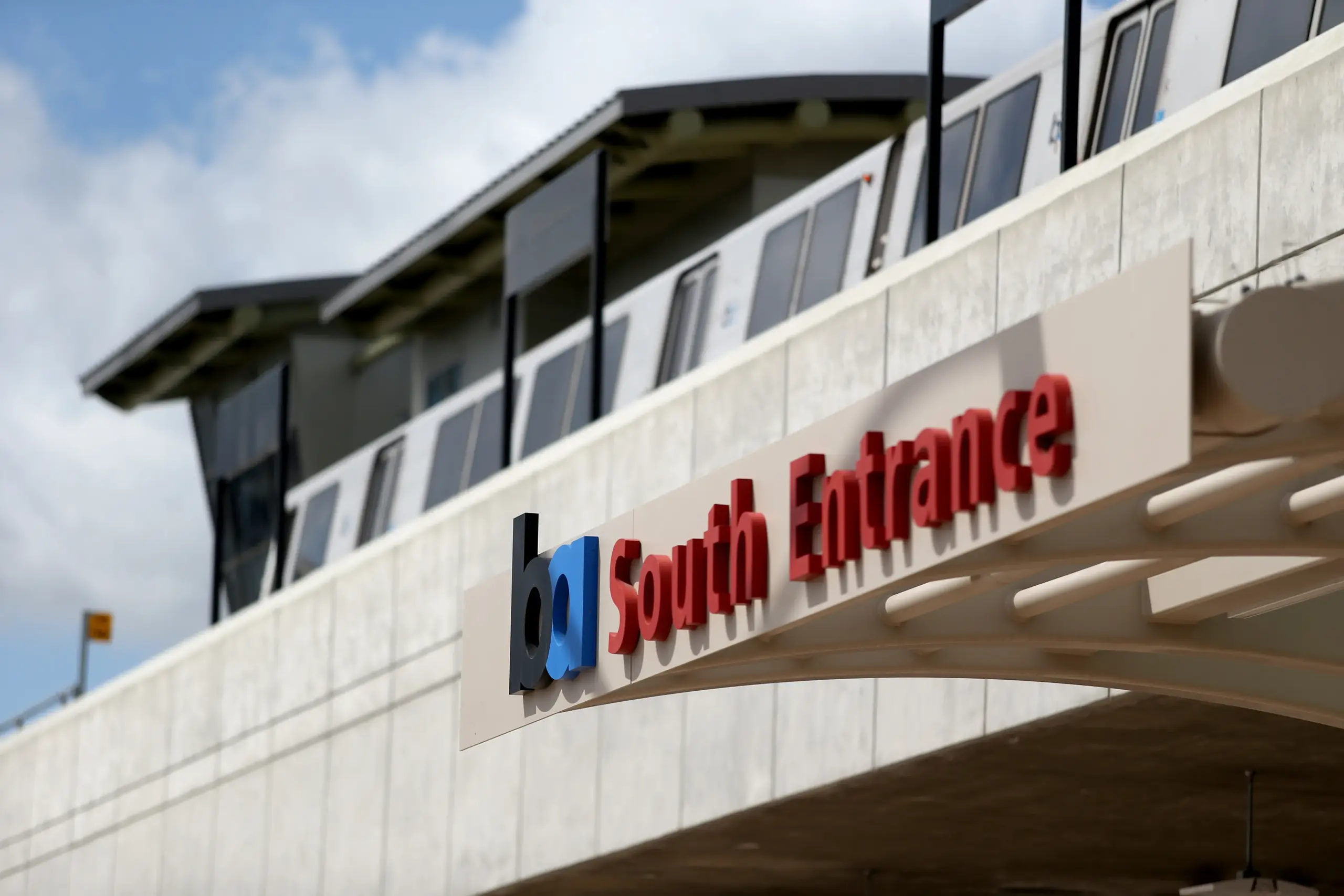
It’s more than a peculiar thought exercise. Nearly one million Bay Area residents rely on the region’s “ninth bridge” — the vast network of trains, buses and ferries that connect the Bay Area — to get to work and elsewhere. And if voters don’t step up in November, the system that binds the region together risks collapse.
It’s not hyperbole.
Pandemic-era ridership changes, inflation and overreliance on fare-box revenues have pushed our transit system to the financial precipice. BART, SF Muni, Caltrain and AC Transit have been patching their budgets with one-time state and federal relief funds for years, but that spigot is being turned off.
Without new funding, BART could be forced to cut as much as — returning the system to what it looked like in 1976, when the region had roughly half as many inhabitants.
Caltrain cuts would triple wait times, cancel weekend service and close a third of stations, and Muni and AC Transit would eliminate full bus lines.
And before you thank your lucky stars that you don’t rely on BART to get to work, think about what your new traffic reality will look like with tripled commute times.
The tragic irony is that Bay Area public transit has never been more highly rated than it is today. Muni just received its highest-ever rider satisfaction rating.
Caltrain — with its wildly popular new electrified trains — was just recognized as one of the best transit systems in North America. BART is a much more comfortable system with its new train cars, enhanced cleaning and state-of-the-art fare gates that reduce crime and prevent bad behavior. And our ferry systems are wildly popular, with stratospheric rider survey numbers.
Read more Chabria: Sheriff Chad Bianco can’t catch a break. That’s a good thing.
The Regional Transit Measure on the November ballot in five counties (Alameda, Contra Costa, Santa Clara, San Mateo and San Francisco) will establish a dedicated revenue stream for our transit systems and pull us back from the brink of doomsday service cuts.
The measure will stabilize our indispensable “ninth bridge” while also improving efficiency and responsible financial stewardship, thanks to some of the most aggressive oversight and accountability provisions ever included in a measure of its kind, which will require the agencies to reduce costs while improving service for riders. It also delivers funding directly to counties to repave roads and expand transit projects, including investing in bringing back VTA bus service that has been cut back over the years.
Polling shows that residents clearly understand how transit undergirds their daily lives; it’s how people get to work, to school, to the doctor and to the abundant natural wonders and entertainment and recreational opportunities our region offers.
They also want transit to work better, and this measure requires that. This is a once-in-a-generation opportunity to change how these agencies operate and sustain their essential services going forward.
Bay Area Council business leaders drove the creation of the BART system decades ago because they recognized that our region’s economy depends on our ability to move people to and from work. In fact, commute time and access to transit are two of the greatest indicators of economic mobility.
That’s why our invisible “ninth bridge” is so critically important to our region’s quality of life and economic vitality. Without a stable, efficient public transit system, we all suffer — from diminished job opportunities, less family time, dirtier air and soul-crushing traffic.
Voters in November have the opportunity to chart a stronger, more sustainable and fiscally responsible course. The fate of the region depends on it.
Libby Schaaf is president and CEO of the Bay Area Council and chair of the Connect Bay Area Campaign.
Read more Asking Eric: I’m not OK with my ex leaving our son with his girlfriend
About the Author