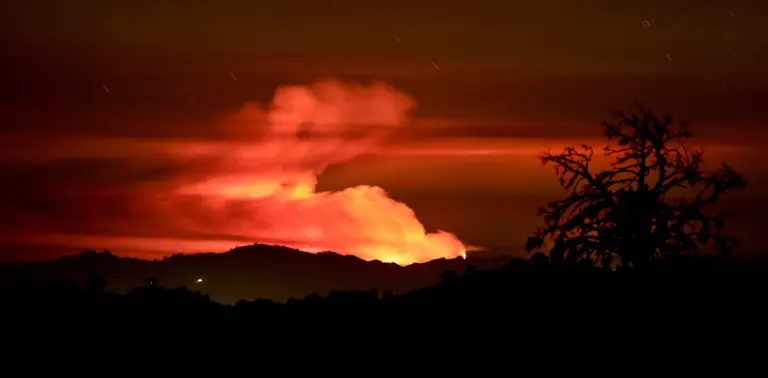
I have been watching my hometown burn from afar since Saturday.
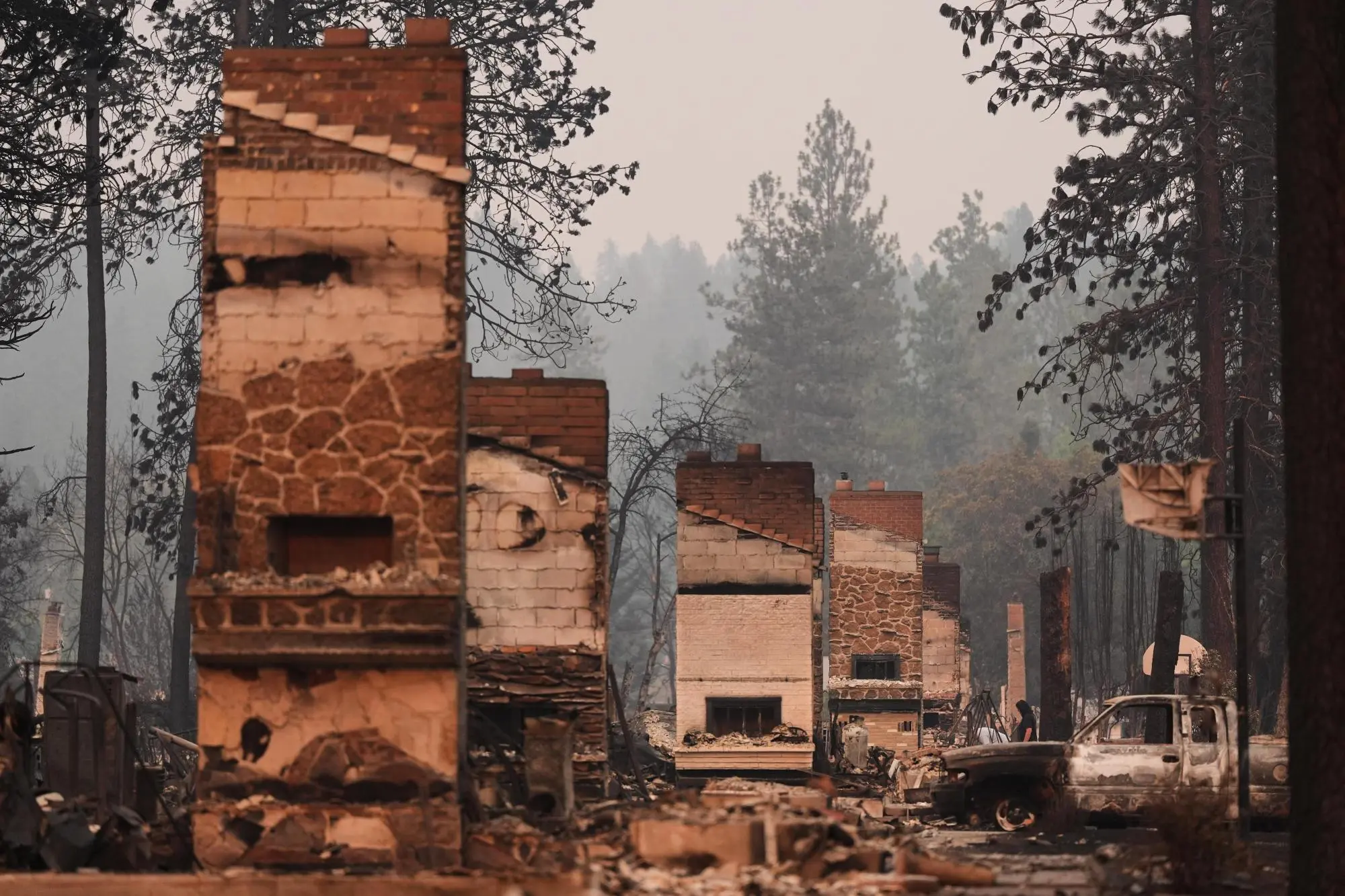
Three conflagrations have been raging through Spokane, Wash. As of Monday, the fires forced 60,000 people to evacuate, consuming roughly 9,000 acres of Ponderosa Pines and destroying more than 700 hundred homes. Entire communities are gone.
Read more East Bay jury convicts man of arson for torching Jewish scroll
The scenes playing out in videos shared on social media mirror those we experienced in Santa Rosa nearly a decade ago when the Tubbs Fire ran up the Mayacamas and barreled through Fountaingrove and Mark West Springs before jumping 101 and wiping out Coffey Park.
It has been awful to watch and yet, I am struggling to cease my doomscrolling, switching feverishly between Facebook and Threads, consuming the coverage with a heated intensity.
“Oh my God. More than 700 houses now,” I tell my husband.
“Wow. That’s where I used to run cross country meets in high school. It’s all gone now,” I add, hours later.
“Oh no. The smallest fire is creeping close to Dad’s work,” referring to the aluminum mill where my dad works as a manager. “That could be a nightmare.”
My parents, who live about four miles away from the smallest of the three fires, say the thick, apocalyptic smoke is so noxious my father is having a hard time breathing.
“We need bigger N-95 masks,” my mom said in a text message.
My husband and I have always had the opposite problem, working to secure too-large masks onto our daughters’ tiny faces, desperate to protect them from the toxic air caused by various fires over the past decade.
A decade of catastrophic fires. We’ve learned so much since the Tubbs Fire scarred our county both physically and emotionally.
I know many of us still enter these late summer months with anxiety, taking note of the high temperatures and low humidity points.
But that anxiety is also an awareness and understanding we didn’t have before. Hot, dry heat means be ready and be prepared.
I also know that every agency and organization involved in fire management — from fire departments to emergency operation centers to this very newsroom — has become an expert at what it does.
We know how to handle Red Flag warnings. We know how to respond to fires. We know how to get people out so property can be protected. The choreography of the firefighting process isn’t quite so chaotic and disjointed. It’s fluid, even in the heat of fast-moving blazes.
I wish it was like that in Spokane right now. Maybe part of it has been. I’m not here to discredit the heroic firefighting going on right now. But I also have read news reports of door-to-door evacuations — a frightening reality that hasn’t happened here in years.
In what feels like a morbid blast from the past, old high school and running friends who I haven’t seen on my feed for more than a decade are popping up on Facebook, marking themselves safe from the Spokane fire complexes and hashtagging “SpokaneStrong” as they share photos and videos of the smoldering lots that used to be their homes.
Read more SF Giants’ Tidwell showcases promise in first start of year despite walk-off loss to Rangers
Their posts express frustrations about confusing evacuation zones. They wonder why they can’t return to their homes. They’re concerned about looting. They want to know the cause of the fires, blaming an at-large arsonist and politicians alike.
Finger-pointing during times of grief isn’t helpful. But it’s part of the human process.
This is not the way I wish to reunite with folks. I do not wish to welcome them to this club of climate change refugees.
I think what is hard is that I sit here with the fire resiliency knowledge of our greater Sonoma and Napa communities and wish that somehow I could have done more for my hometown, which is going through an all-too familiar anguish and loss.
But, after talking to my colleague about it on Monday, I’m left wondering if that knowledge can only be gained by experience.
After all … you don’t know what you don’t know.
What a gut punch. Because when it comes to this experience — massive community loss through wildfire — there has to be a way that’s different. Less painful. Less catastrophic and completely life-changing.
Can’t I somehow go back in time and tell everyone about defensible space and go-bags and the importance of listening to emergency personnel?
No? Not a thing? It should be.
Forward-thinking, communities can help prevent joining the club of refugees by becoming a Firewise site of excellence. Firewise, a national program run by the National Fire Protection Association, teaches people how to prepare their homes and neighborhoods to survive wildfires.
A Firewise USA site in good standing can be a single house, a business or an entire neighborhood. Being in good standing means you meet annual wildfire safety rules, such as updating a local risk action plan, investing time or money in safety work like clearing brush or maintaining defensible space, and completing a yearly renewal form.
Not only can this declaration teach residents how to better protect themselves and their property during a fire, it can also help them qualify for insurance discounts — an ever-increasing cost we’re all too familiar with here in Sonoma and Napa counties.
Being a Firewise site won’t stop fires from happening. But the practices behind the standing could mean the difference between keeping or losing your home to flames.
It also won’t turn back time and fix Spokane.
Major firefighting will ensue for the next week-plus. In the meantime, my hometown can only do what we’ve done here in Santa Rosa. They’ll become a stronger, more resilient community and when the time comes, they’ll share their lessons with the next batch of refugees.
Amie Windsor is the Opinion Editor with The Press Democrat. She can be reached at [email protected].
Read more Valkyries overcome double-digit deficit, sweep Toronto before heading on road trip
About the Author