Submit your letter to the editor via this form. Read more Letters to the Editor.
Council should focus on bigger issues than bins
Re: “Officials: Look out for rogue operators” (Page A1, July 25).
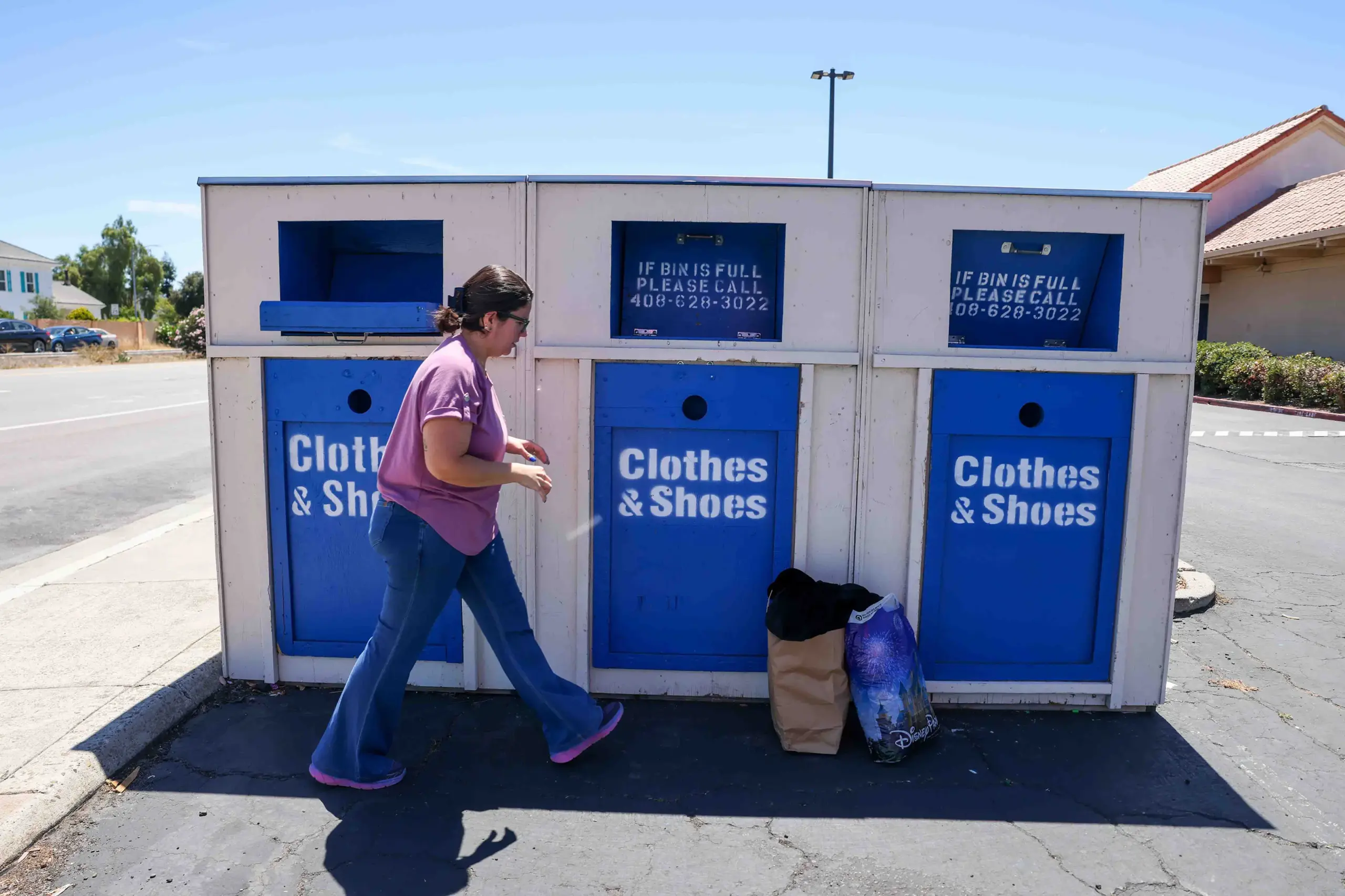
Fascinating that the San Jose City Council members’ concern is illegal donation boxes.
Read more Judge tosses most charges in death of Maurice Monk at Santa Rita Jail
Meanwhile, “data centers” are cropping up throughout San Jose. These data centers are a waste of land and water, rapidly deteriorating the well-being of humans and wildlife.
What do we do with current City Council members who entertain corporate interests over their constituents’?
Kathleen Hanes
San Jose
Districts should spend on teachers, not housing
Re: “District housing plan costly for schools” and “Low-income workers deserve ownership path” (Page A6, July 16).
The contrast between the two letters is striking. While closing schools amid a 20% enrollment decline, the San Jose Unified School District plans to purchase 337 condos for employee housing. Ironically, high housing costs are helping drive school closures that displace thousands of students and families.
Most new housing consists of expensive rental apartments that generate profits for owners but offer no path to homeownership or generational wealth. New housing should expand opportunities for homeownership, not just add rental units.
The elephant in the room is that highly profitable corporations are welcomed for their tax revenue while many employees — including teachers — still cannot afford to buy a home. Rather than subsidizing teacher housing, why not pay teachers enough to buy homes themselves?
Peggy Brady
Foster City
Advancing technology will ease e-car change
Re: “Voters sour on Newsom’s push to ban gas cars” (Page A10, July 26).
Voters who are worried about California banning gas cars by 2035 should remember technology is rapidly changing.
According to “Back to the Future,” we should already have flying cars.
Used cars that run on gasoline probably won’t be banned in 2035, and will be plentiful. Today’s high-priced new EV models will be inexpensive used models by that time. The Chinese NIO ET7 already has a more than 620-mile range on a charge. Cars with that range and longer should be widely available in the United States by 2035.
Read more eBay agrees to pay nearly $50 million to couple sent cockroaches, bloody pig mask
My family is happily driving a Subaru Solterra with a 240- to 250-mile range on a charge around the Bay Area and charging it at home overnight. We have a 2014 Toyota Camry hybrid for long-distance driving.
Michael Gray
San Jose
Voters want others to pay for climate rules
Re: “Voters sour on Newsom’s push to ban gas cars” (Page A10, July 26).
The headline does Donald Trump’s work for him — throw cold water on any climate change repair.
The actual words in this piece tell a far different story. That is, voters have polled consistently that they support climate repair, until they have to pay anything for it. Voters want businesses to pay, not themselves.
A reader scanning the page would get a more accurate impression if the headline were: “Voters support climate repair but don’t want to pay for it.”
Allen Price
Half Moon Bay
Financial analysis is too facile to be useful
Re: “Housing is no longer the best place for growing your money” (Page A10, July 26).
Allison Schrager’s simple financial analysis is flawed.
Schrager compares buying a $500,000 house to investing $500,000 in the stock market. When you buy a house, you usually get a mortgage and pay a down payment of maybe 20%. In this case, you are only investing $100,000 in the house upfront. Investing $100,000 in the market would net less than half the gain from buying a house.
Inflation protection is important. Rents go up, fixed-rate mortgage payments don’t and can go down. There are other considerations, such as property tax, maintenance and capital gains exemptions for houses. It is not an easy answer.
Kirby Kruckmeyer
Sunnyvale
About the Author