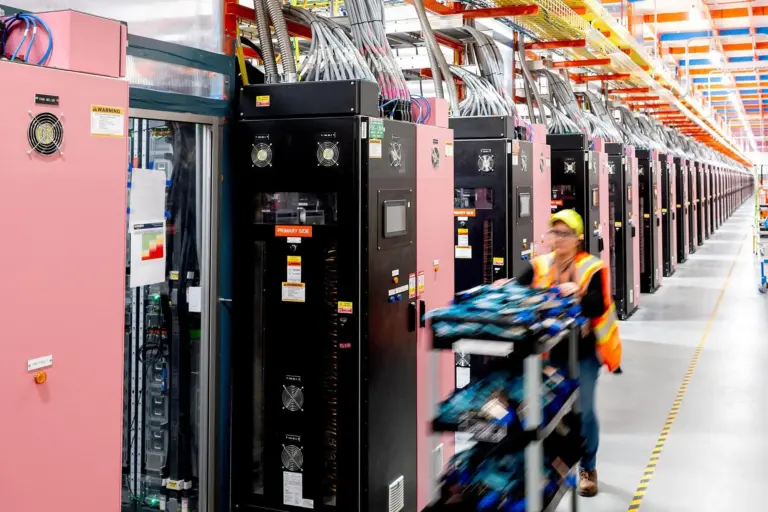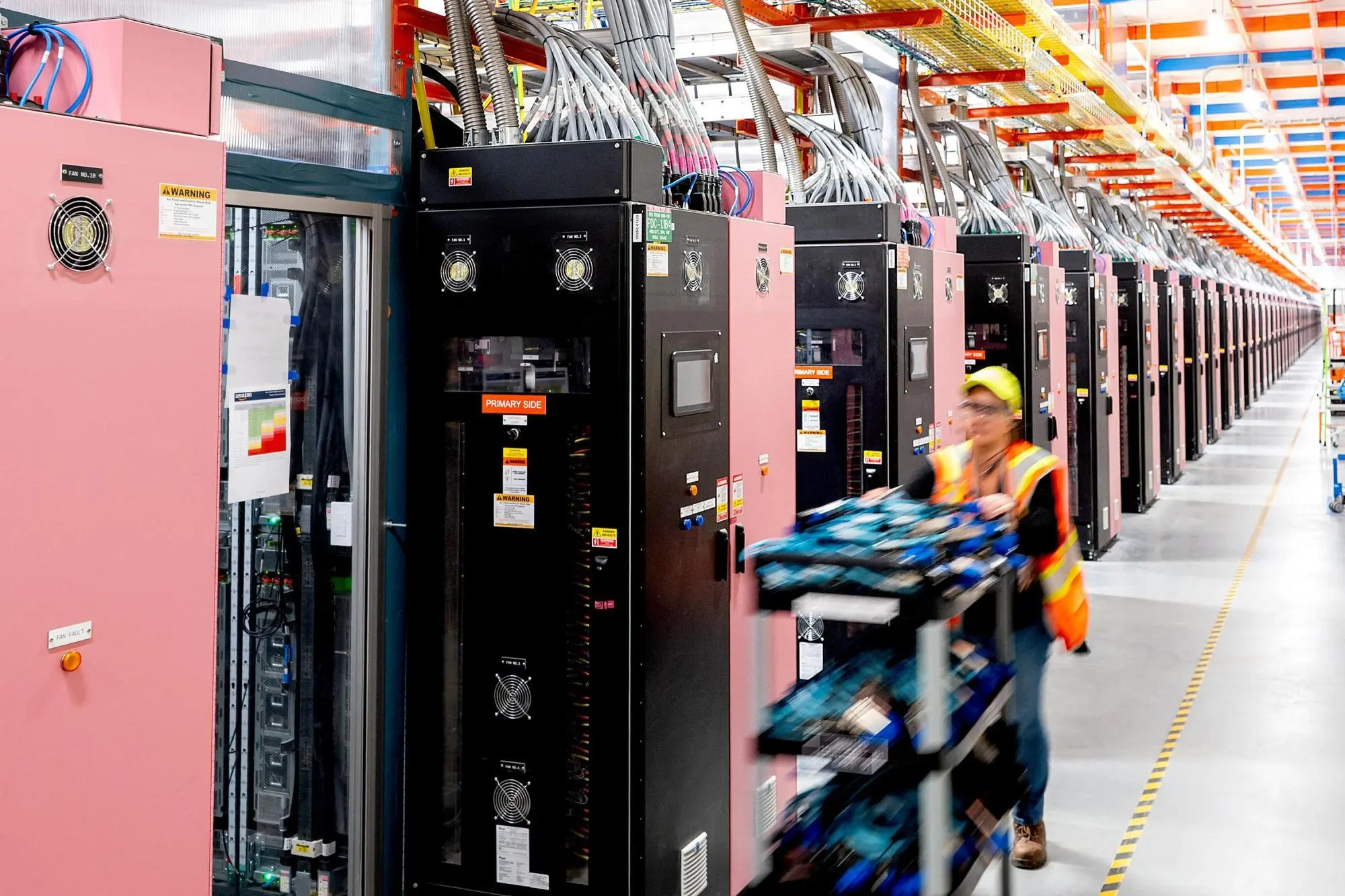
In an effort to curb the environmental and neighborhood impacts of large data centers, San Jose on Friday released their first draft of uniform standards for the massive tech facilities.
Read more Suspect arrested in connection with San Bruno shooting
Under the draft regulations, facilities drawing 20 megawatts or more would be barred from using drinking water in open cooling systems, required to run on 100% clean power, and limited to 25 hours a year for backup generator testing.
The proposed policies follow weeks of community outreach in which city residents expressed many of the same anxieties over data centers that have been growing nationwide. While the projects promise millions of dollars in revenue for cities that welcome them, they also bring massive energy and water demands alongside quality-of-life concerns like noise pollution.
The new draft regulations target large data centers and other tech facilities drawing massive amounts of electricity and water. To cut down on environmental harm, facilities would be banned from using drinking water in open cooling systems, which continuously lose water rather than recirculating it. Sites would also need built-in sound barriers, shielded lights that point downward to prevent neighborhood glare, and mandatory annual city checkups on their power, water, and sewer usage to ensure they stay within legal limits.
The proposals also set new expectations for developers and neighbors. Companies would be required to comply with state “prevailing wage and skilled and trained workforce requirements” and notify residents within a 1,500-foot radius of a proposed site. The city is also weighing new developer fees to fund local affordable housing and strengthen the power grid, while ensuring tax dollars from equipment sales remain in San Jose.
“The standards are intended to mitigate potential impacts related to energy consumption and sourcing, water use, air quality, backup power generators, and other environmental factors, and to outline a clear and consistent process for community notification and engagement,” the city said in a statement.
City officials emphasize that the proposals are only a first draft and that residents can still help shape them during a special community forum next Thursday, Oct. 15, from 6 p.m. to 8 p.m. at San Jose City Hall Council Chambers and online via Zoom.
Following Thursday’s meeting, staff will present the final draft standards and accompanying ordinances to the Planning Commission on Nov. 18. The proposals are expected to reach the City Council on Dec. 8, with a second and final vote set for Dec. 15.
San Jose’s push for local oversight echoes a statewide effort to rein in data centers driven by the artificial intelligence boom. Gov. Gavin Newsom recently signed seven bills aimed at protecting electric customers from paying for grid upgrades needed for data centers, forcing transparency on water usage, and curbing environmental exemptions for these facilities.
Read more Warriors’ Podziemski explains why he has dropped lifting weights
While other Bay Area cities have enacted temporary bans on data centers – prompted by pushback from communities concerned about environmental, health, and quality-of-life impacts – San Jose has taken a different route. Mayor Matt Mahan said the city is opting for a more tailored approach that addresses community concerns item by item through specific regulations.
“We have found a middle path. We have not defaulted to unfettered capitalism, nor have we put our head in the sand and tried to ban change,” Mahan said. “And I believe we have an opportunity and a responsibility to regulate technological change to make it work for people.”
The city projects multimillion-dollar deficits over the next two years – though smaller than the $50 million shortfall it grappled with this year due to stagnant revenues and rising costs. With each data center projected to generate between $3 million and $7 million annually, the city is relying on these developments to help secure its financial future.
City officials said public feedback gathered across multiple outreach events directly shaped the proposed rules, pointing to generator limits and environmental monitoring as community-driven additions.
“There were a lot of concerns that we heard that we weren’t aware of,” said Deputy City Manager Manuel Pineda, highlighting public input on noise and sewer impacts. “We’re setting up some pretty robust programs to monitor those… and address any issues that come up through our process.”
Mahan emphasized the process is not finished and encouraged the community to continue weighing in.
“We have two months and at least three large public meetings to go,” Mahan said. “This is very much an iterative process with the community. So we’re continuing to listen. I hope that community members will take time to review the standards and let us know what isn’t clear or seems lacking so that we can continue to improve.”
Read more Nick Bosa to miss third straight 49ers game but comeback is imminent
About the Author