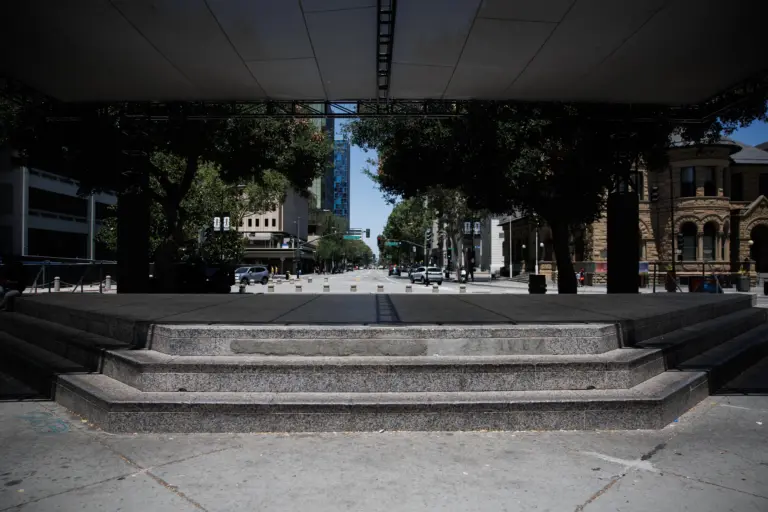
Following public backlash over proposals to double parking meter rates and extend enforcement hours, San Jose officials are proposing an alternative plan that would phase in the increases over five years.
Read more 49ers report card vs. Rams: Defense leads amazing win in Australia
Under the revised proposal set to be heard by the City Council on Sept. 29, first-year city garage rates would increase by $1 — from $4 to $5 an hour — while special event parking would increase by $3.
By the second year, 1,600 downtown meters would increase from $2 to $3 an hour. Meanwhile, enforcement hours would extend from 6 p.m. to 9 p.m. in the third year. By the fourth year, event rates would add another $2, bringing the total to a $15 flat rate. Then in the fifth year, all city meters would increase by an additional $1 an hour — bringing meters to $4 an hour downtown, and $3 an hour just outside of that area.
Ninety minutes of free parking at city garages would be retained and expanded to include the Convention Center garage on days when there are no events.
The central dilemma is that the parking increases had been factored into the current budget to help fill a $50.3 million shortfall, which also required a $1.2 million transfer from the parking fund to the general fund to close that gap. But after residents came to a June council meeting in droves to protest the rate hikes, City Manager Jennifer Maguire admitted community engagement over the plans fell short.
“The gradual approach is meant to ease the impact on Downtown employees and customers while helping address the City’s budget shortfall and generating revenue to maintain and invest in the city’s parking system,” the city said in a news release this week. “Community feedback helped us develop a new proposal.”
But when transportation staff presented the updated plan at the Sept. 2 Downtown Parking Board meeting, residents and commissioners argued the revisions still burden low-wage workers and harm downtown businesses.
Board member Tamiko Rast, also president of the Japantown Business Association, called the plan “overly complicated” and “painful in the wrong ways.”
“I’m not a fan of this recommended plan. I don’t want to see extended meter hours for the very reasons that I think would be extremely detrimental to downtown businesses,” she said. “I think we are not charging enough for event parking.”
Instead of waiting until the fourth year to reach $15, Rast argued the city should increase event parking to that rate immediately in the first year. Due to a lack of a quorum, the board did not officially endorse or reject the plan.
These economic worries compound other frustrations that have been brewing since June, when residents first learned of the rate hikes and extended enforcement. Beyond costs, locals have cited safety issues in dimly lit garages and mobility challenges that force people with disabilities to park farther away. Many also expressed anger that, because money raised will go to the general fund, downtown parking revenues aren’t being reinvested back into the district.
But the city assured residents the parking fund will pay for garage upgrades — like adding elevators and improving cleanliness — as well as maintaining funding for downtown programs.
While the new plan phases in the increases to avoid shocking downtown patrons and workers, it spreads the rate increases from the initial 900 meters targeted to all 1,600 downtown.
While concerns over the financial burden on low-wage workers were raised, staff noted that parking meters are intended for short-term use, hence the need for the rate hike.
“Having parking in front of businesses and on the curb also helps with illegal parking and double parking,” Heather Hoshii, deputy transportation director, said at a previous meeting.
To help offset costs, the city highlighted monthly garage passes of $100 for downtown employees and $50 for qualified low-wage workers.
George Lahlouh, co-founder of MO Hospitality — which operates prominent downtown businesses like Miniboss, Strata, Eos & Nyx, and Alter Ego — said the meter rate hikes are counterproductive during an already difficult year for the local economy, and that the proposed solutions such as garage discounts do little to address workers’ concerns.
“Some areas can be precarious walking to your car late at night,” Lahlouh said. “They prefer for it to be safer — and right now it’s affordable because they stop charging at 6 p.m.”
Once the extended enforcement hours kick in, he said employees could pay up to $24 a shift. “It’s not just a doubling of fees, it’s quintupling,” he added.
He also warned that even with the phased rollout, private lots are likely to raise their rates once the city’s new charges kick in.
The rate increases were originally placed on the June consent calendar for approval without discussion, until Councilmember George Casey pulled the item. After admitting to “dropping the ball” on outreach, the city says it has since met with the downtown association, presented the plans at neighborhood meetings, and shared updates through social media and the city’s blog.
Read more Dolly Parton paid for her longtime driver’s gender-affirming care: She was ‘a very nice lady’
About the Author