Pfeiffer Big Sur State Park, the oldest and most popular state park along the Big Sur coast, will reopen next Friday after being closed for more than two months due to a major wildfire in the area.
Read more Asking Eric: How do we address this skirmish during the family vacation?
The park, which opened in 1933 and draws an average of 750,000 visitors a year, is well-known for its 189 RV and tent campsites, Big Sur River Gorge swimming hole and redwood trails. It is the last state park in Big Sur to reopen as the Timber Fire winds down.
On Saturday, the fire, which began Aug. 8, was 97% contained.
“We’re super excited to have the public back,” said Sgt. Tom Cunningham, supervising ranger for the California State Department of Parks and Recreation Big Sur Sector. “We were happy to support the fire operations. But getting day use back is awesome.”
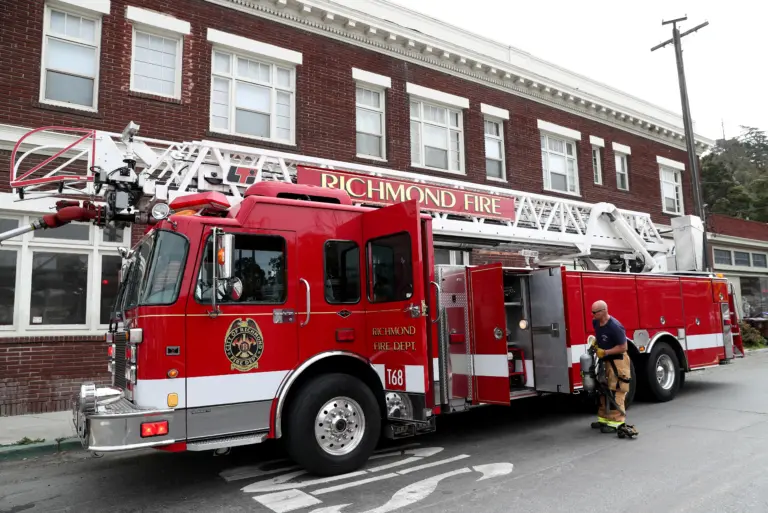
During the fire, which threatened homes and famous businesses including the Nepenthe restaurant, Post Ranch Inn and Deetjen’s Big Sur Inn, more than 1,000 firefighters from across California and other states used Pfeiffer Big Sur State Park as a command post.
“They had logistics meetings every day on the softball field,” Cunningham said. “They put trailers there for finance and business services. There was a huge food operation there to provide breakfast, lunch and dinner for firefighters. They slept in the campsites at the park. Some even used the lodge.”
Fire crews were successful in keeping the blaze from burning any homes or businesses, although it burned for weeks in the remote backcountry to the east of Highway 1 in the Los Padres National Forest, a landscape with almost no roads and very steep wilderness peaks that made firefighting difficult.
To protect buildings along Highway 1, including the Big Sur Lodge and campsites at Pfeiffer Big Sur State Park, firefighters set back fires in the park on the north side of the Big Sur River. The tactic was designed to clear out brush and dead wood in an orderly way between the fire’s leading edge to the east and developed areas to deny the flames fuel to burn homes, business and other facilities.
The back fires worked. But they left 507 acres of the park with scorched terrain. To reduce the risk of trees falling on people or rocks sliding during upcoming winter storms, those areas will remain closed indefinitely, Cunningham said, until the threat has passed.
“Things will naturally come down and fall as we have rain and inclement weather,” Cunningham said. “For everyone’s safety, until we know that things are settled those areas will remain closed.”
On Friday, the 189 campsites will reopen, as will Big Sur Lodge, the nature center, campfire center and several trails. But other popular trails will remain closed.
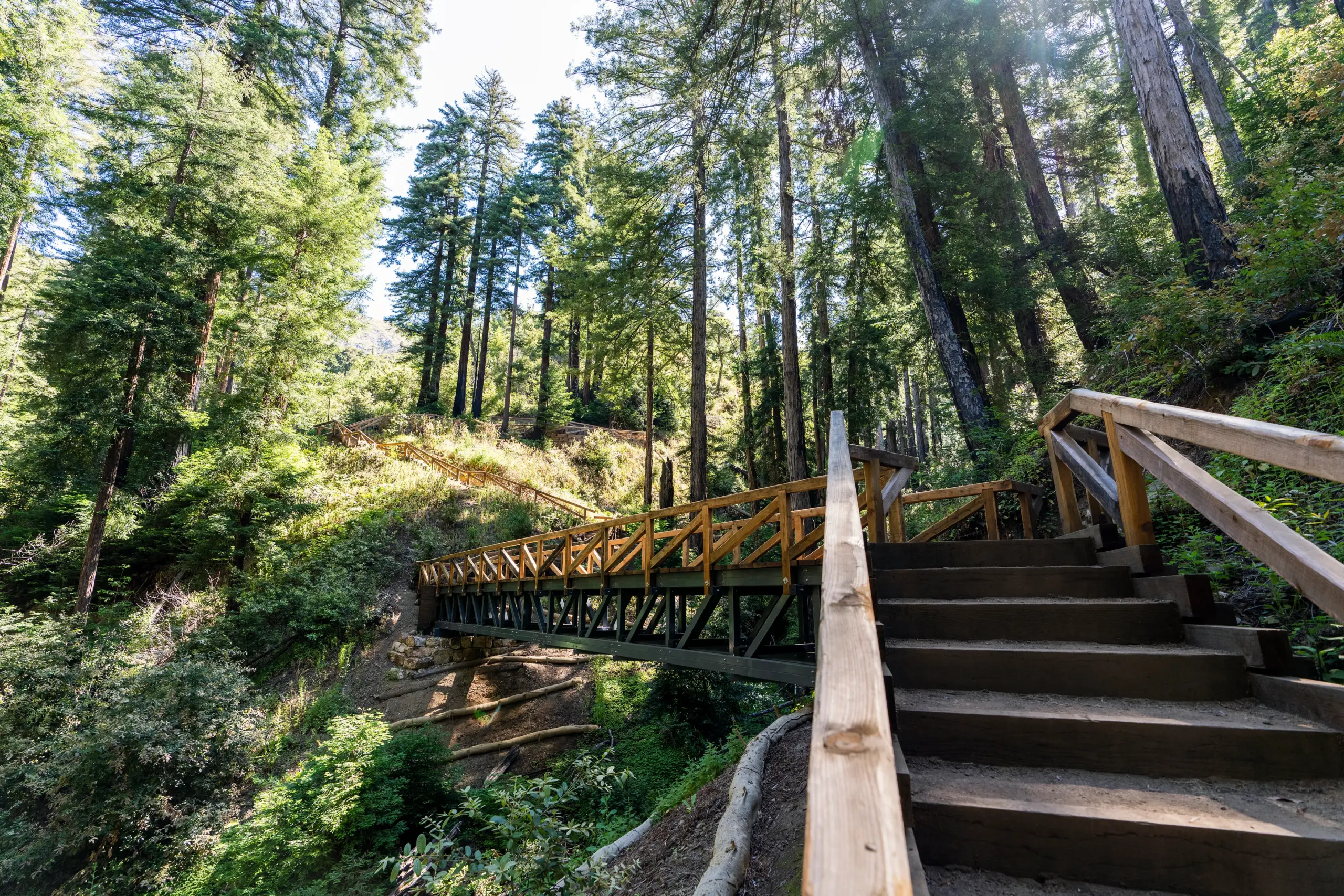
Among the areas that will remain closed and were part of the backfires are the Pfeiffer Falls Trail, where a popular 70-foot long wooden bridge across a canyon survived undamaged, and trails to Mount Manuel and the Big Sur Gorge.
As a result of that deliberately caused back fire, which mostly burned low to the ground through redwood forests, no campsites, buildings, water systems or other infrastructure in the park were damaged, Cunningham added.
Read more Dear Abby: Is it rude that she holds the meal for the latecomers?
“It was a controlled fire to prevent an out-of-control fire that would have done major damage to the park,” he said.
Firefighters wrapped the historic Pfeiffer Homestead Cabin, built in 1884 by pioneer John Pfeiffer, in an area now inside the park, in foil blankets to protect it as the fire approached. The cabin emerged undamaged. The Pfeiffer family, which first settled in the area in the 1860s, sold the land in 1933 to state parks officials to preserve as a park after developers from Los Angeles tried to buy it to build a housing subdivision.
Other Big Sur state parks have reopened in recent weeks. Among them are Point Sur State Historic Park, Andrew Molera State Park, Julia Pfeiffer Burns State Park and Limekiln State Park. All hotels and restaurants and other business in Big Sur also have reopened.
On Saturday, an interagency fire team from Nevada that had been overseeing the fire suppression work provided its last update on the Timber Fire and said it would be handing control of the incident, now that it is all but out, to local Los Padres National Forest officials.
“As we continue to finish up, there is going to be a heavier presence of heavy equipment on the road demobilizing and going home,” said Victor Preciado, operations section chief for the Nevada Type 3 Incident Management Team #2, in a daily video briefing. “Please be cognizant of that.”
The cause of the Timber Fire is still under investigation. Another larger wildfire, the Plaskett Fire, that started on August 26 on the southern part of the Big Sur coast near the Monterey-San Luis Obispo County line, was 100% contained on Oct. 1. The Plaskett Fire burned 30,124 acres of remote brush and chaparral east of Highway 1 near Gorda and Lucia.
After being closed for nearly a month during peak tourist season, Highway 1 in the northern part of Big Sur reopened Sept. 3. The entire roadway, including the southern portion, reopened Sept. 14, providing a lifeline to hotels, restaurants and other businesses as motorists could drive between Northern and Southern California along the coast again.
The Plaskett and Timber fires are the third and fourth-largest wildfires by acreage this year in California, behind the Bug and Biscar fires — both of which are contained now but which burned 93,733 acres and 69,355 acres in Lassen County.
So far, California is having a relatively mild wildfire year. Through this week, 328,950 acres have burned statewide on lands under the Cal Fire and US Forest Service jurisdictions. That’s 37% fewer acres than burned by this time last year, and 65% fewer than the average of the past five years through this time.
October is traditionally one of the most dangerous months for wildfires in California, however, because vegetation in many places is very dry after months without rain, and wind patterns, such as Santa Ana winds in Southern California and Diablo winds in Northern California, shift toward the coast, bringing hot air from inland places like Nevada and Arizona into California.
The threat drops dramatically after 1 or 2 inches of rain falls, usually in November or December.
Read more Today in History: October 11, AIDS Memorial Quilt displayed on Washington’s National Mall
About the Author